The fitness industry continues to expand rapidly, with gyms and fitness stores constantly seeking quality accessories that enhance member experience while maintaining cost efficiency. Among the most essential items, sport towels represent a crucial investment that directly impacts customer satisfaction and operational success. Understanding which sport towels perform best in bulk purchases can significantly influence your facility's reputation and bottom line.
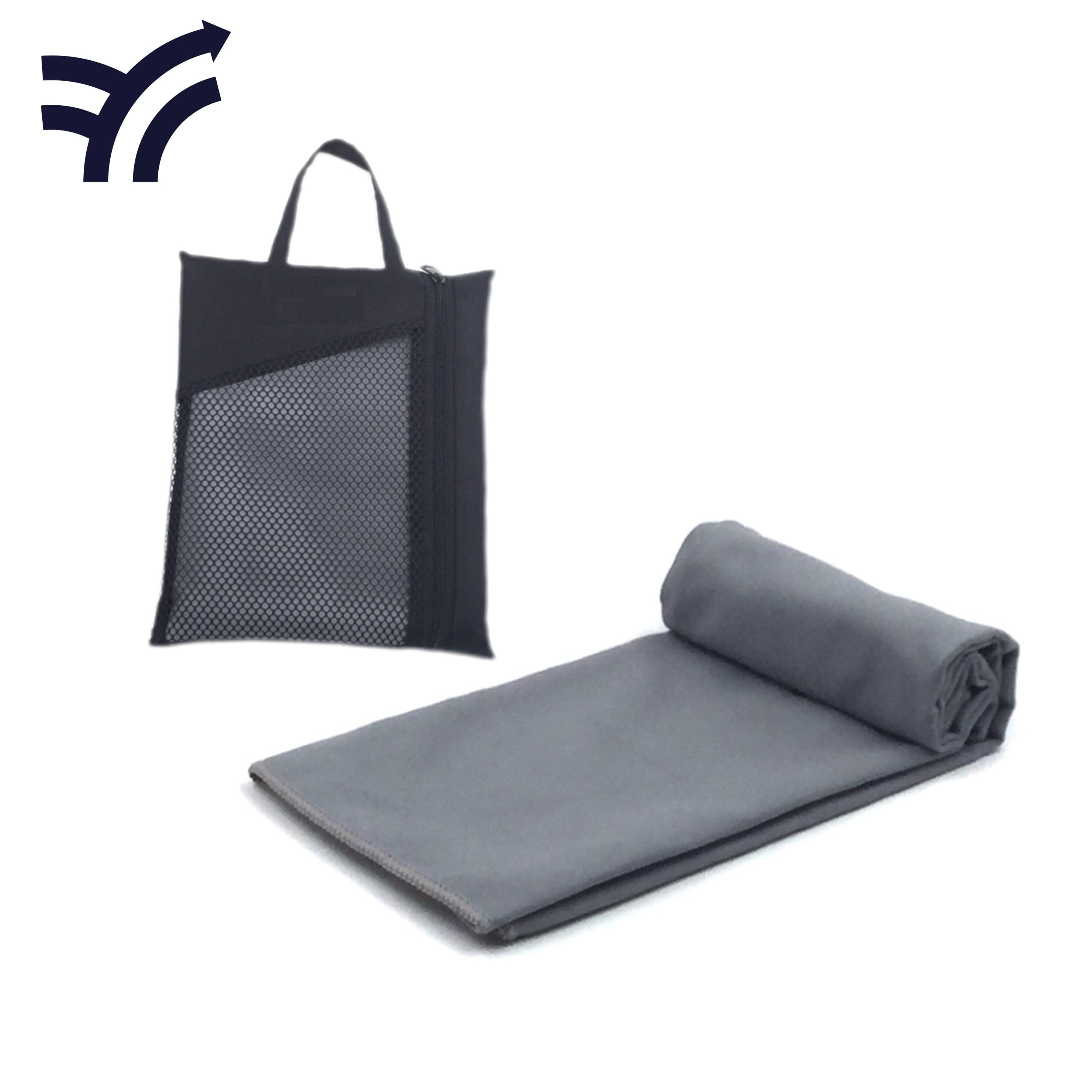
Modern fitness facilities require towels that withstand intensive daily use while providing superior absorbency and quick-drying capabilities. The selection process involves careful consideration of material composition, size specifications, durability factors, and cost-effectiveness. Professional gym managers and fitness store owners must balance quality expectations with budget constraints to maximize both customer satisfaction and profitability.
Market research indicates that successful fitness businesses prioritize towel quality as a differentiating factor in competitive markets. Members often judge facility standards based on auxiliary amenities, making sport towels a critical component of overall service quality. This comprehensive analysis examines the most effective towel options for bulk procurement in commercial fitness environments.
Microfiber sport towels have revolutionized the fitness industry through superior absorbency rates and rapid moisture-wicking properties. These advanced synthetic fibers can absorb up to seven times their weight in moisture, significantly outperforming traditional cotton alternatives. The microscopic fiber structure creates countless tiny pockets that trap and hold liquids effectively while maintaining structural integrity through repeated washing cycles.
Professional fitness facilities benefit from microfiber's antibacterial properties, which naturally resist odor-causing bacteria growth. This characteristic proves particularly valuable in high-humidity environments where traditional towels might develop unpleasant odors quickly. Additionally, microfiber sport towels dry approximately three times faster than cotton, reducing laundry processing time and energy costs for commercial operations.
The durability factor of microfiber construction ensures extended product lifespan, making bulk purchases more economically viable. These towels maintain their absorbency and texture quality through hundreds of wash cycles, providing consistent performance that justifies initial investment costs. Fitness businesses report significant long-term savings when switching to high-quality microfiber sport towels for their bulk inventory needs.
Cotton-blend sport towels continue to hold market share in specific fitness applications where traditional feel and texture preferences prevail. Many gym members appreciate the familiar softness and natural fiber comfort that cotton provides, especially for facial contact and sensitive skin applications. These blends typically combine cotton with synthetic fibers to enhance durability while maintaining natural material benefits.
However, cotton-blend options require more careful consideration in bulk purchasing decisions due to higher maintenance requirements and longer drying times. Fitness facilities must invest in additional towel quantities to maintain adequate rotation schedules, increasing both storage space needs and initial procurement costs. The absorbency characteristics, while adequate, generally fall short of pure microfiber performance standards.
Cost analysis reveals that cotton-blend sport towels may appear less expensive initially but often prove more costly over time due to replacement frequency and increased laundry processing requirements. Successful fitness businesses carefully evaluate total cost of ownership rather than focusing solely on upfront purchase prices when making bulk towel selections.
Industry standards for sport towels in commercial fitness environments typically range from 16x24 inches to 20x40 inches, with most successful facilities opting for medium-sized options around 16x32 inches. This dimension provides adequate surface area for effective moisture absorption while remaining manageable for users during workouts. Larger towels often become cumbersome during exercise routines, while smaller options may not provide sufficient coverage for post-workout needs.
The weight specification significantly impacts both functionality and cost considerations in bulk purchases. Professional-grade sport towels typically weigh between 200-400 GSM (grams per square meter), with 300 GSM representing the optimal balance between absorbency and quick-drying capabilities. Heavier towels provide increased absorbency but require longer drying times and higher shipping costs for bulk orders.
Thickness considerations directly correlate with durability expectations and user satisfaction levels. Medium-thickness sport towels offer superior longevity compared to thin alternatives while avoiding the bulkiness associated with extra-thick options. Fitness facilities report optimal member satisfaction with towels that provide substantial feel without excessive weight or storage requirements.
Face towel specifications, typically measuring 12x12 inches, serve specific needs in premium fitness facilities offering comprehensive member amenities. These smaller sport towels complement standard-sized options and demonstrate attention to detail that members appreciate. Bulk purchasing strategies often include mixed size orders to accommodate diverse facility needs and member preferences.
Oversized sport towels, measuring 24x48 inches or larger, cater to specialized fitness activities and premium service levels. Swimming facilities, yoga studios, and high-end fitness clubs often incorporate these larger options to enhance member experience and differentiate their service offerings. However, the increased material costs and storage requirements must be carefully evaluated against member utilization patterns and willingness to pay premium membership fees.
Multi-size inventory strategies allow fitness businesses to optimize towel allocation based on specific area requirements and member demographics. Cardio areas might utilize standard sizes, while locker rooms and spa areas benefit from larger options. This targeted approach maximizes both functionality and cost efficiency in bulk procurement decisions.
Commercial laundry systems subject sport towels to intense washing conditions that far exceed residential use patterns. High-temperature washing, industrial-strength detergents, and frequent processing cycles demand towels specifically engineered for commercial durability. Quality sport towels must maintain their structural integrity, color fastness, and absorbency properties through these demanding conditions.
Fiber composition directly influences longevity under commercial washing stress. Premium microfiber sport towels utilize reinforced stitching and fade-resistant dyes that withstand industrial laundering processes. These construction features prevent premature deterioration that could necessitate frequent replacement and disrupt bulk purchasing cost projections.
Successful fitness facilities establish comprehensive towel management protocols that optimize washing procedures while preserving towel quality. This includes proper sorting procedures, appropriate detergent selection, and controlled temperature settings that maximize cleaning effectiveness while minimizing fiber damage. Well-managed towel programs significantly extend product lifespan and improve return on investment for bulk purchases.
Professional-grade sport towels undergo rigorous testing procedures to ensure consistent performance under commercial conditions. Quality certifications verify absorbency rates, colorfastness standards, and durability specifications that inform bulk purchasing decisions. These standardized measurements enable accurate performance comparisons between different towel options and suppliers.
Edge finishing quality significantly impacts towel longevity and appearance retention throughout the product lifecycle. Premium sport towels feature reinforced hemming or serged edges that resist fraying and unraveling during intensive use. This construction detail, while potentially increasing initial costs, prevents premature replacement needs that can substantially impact long-term operational expenses.
Warranty provisions and performance guarantees provide additional assurance for bulk towel investments. Reputable manufacturers offer replacement guarantees for products that fail to meet specified performance standards within designated timeframes. These protective measures reduce procurement risks and provide financial recourse when towel quality falls short of expectations.
Bulk purchasing of sport towels typically follows tiered pricing models where unit costs decrease significantly with larger order quantities. Most commercial suppliers offer substantial discounts beginning at 100-piece minimums, with additional savings available for orders exceeding 500 or 1000 units. Understanding these pricing breakpoints enables fitness businesses to optimize their purchasing strategies and maximize cost efficiency.
Seasonal ordering patterns can further enhance bulk purchase economics, as many suppliers offer promotional pricing during traditionally slower periods. Planning towel inventory purchases during these promotional windows can reduce costs by 15-30% compared to peak demand periods. Successful fitness facilities develop annual purchasing schedules that capitalize on these cyclical pricing opportunities.
Multi-year procurement contracts often provide additional cost advantages while ensuring consistent supply availability. These arrangements lock in favorable pricing terms and protect against market price fluctuations that could impact operational budgets. Sport towels represent ideal candidates for such contracts due to their predictable usage patterns and storage stability.
Comprehensive cost analysis extends beyond initial purchase prices to include ongoing operational expenses such as laundering costs, replacement frequency, and storage requirements. Premium sport towels with higher upfront costs often demonstrate superior total cost performance through extended lifespan and reduced maintenance requirements. This analysis proves particularly important for high-volume fitness facilities with significant towel throughput.
Energy consumption for towel laundering and drying represents a substantial ongoing expense that varies significantly based on towel material and construction. Quick-drying sport towels reduce energy costs while improving operational efficiency through faster inventory turnover. These benefits compound over time, making material selection a crucial factor in long-term profitability calculations.
Storage and handling costs also influence total ownership expenses, as bulkier or heavier towels require additional space and handling labor. Efficient towel design that maximizes performance while minimizing storage footprint provides operational advantages that enhance overall cost effectiveness. These considerations become increasingly important as facility sizes and member volumes continue growing.
Established manufacturers with proven track records in commercial fitness markets provide reliability assurance that protects bulk purchasing investments. Industry reputation indicators include years of operation, customer testimonials, and certifications from recognized quality organizations. Sport towels represent a significant investment, making supplier reliability a critical selection criterion for fitness businesses.
Quality consistency becomes paramount when ordering large quantities, as variations in manufacturing standards can result in uneven performance across towel inventories. Reputable suppliers implement comprehensive quality control procedures that ensure uniform product characteristics throughout bulk orders. This consistency maintains member satisfaction and prevents operational disruptions caused by substandard products.
Technical support capabilities distinguish professional suppliers from commodity vendors, particularly for complex commercial applications. Expert guidance on towel selection, care procedures, and troubleshooting enhances the value proposition and reduces operational risks. Access to knowledgeable support personnel becomes especially valuable when implementing new towel programs or addressing performance issues.
Consistent inventory availability ensures uninterrupted operations and prevents service disruptions that could negatively impact member satisfaction. Reliable suppliers maintain adequate stock levels and provide accurate delivery scheduling that enables effective inventory management. Sport towels must be available when needed, making supply chain dependability a crucial evaluation criterion.
Geographic proximity can influence both shipping costs and delivery reliability, particularly for time-sensitive restock requirements. Domestic suppliers often provide faster response times and lower transportation costs compared to international alternatives. However, quality and pricing considerations may favor international suppliers for certain towel categories and volume requirements.
Backup supplier relationships provide insurance against supply chain disruptions while maintaining negotiating leverage for primary supplier arrangements. Diversified sourcing strategies protect against potential shortages while ensuring competitive pricing through supplier competition. This approach proves particularly valuable for sport towels due to their essential role in fitness facility operations.
Member feedback consistently identifies towel quality as a significant factor in overall facility satisfaction ratings. Premium sport towels enhance the perceived value of membership services while demonstrating management attention to detail and member comfort. This positive association justifies investments in higher-quality towel options that may exceed minimum functional requirements.
Absorbency performance directly correlates with member satisfaction, as ineffective towels create frustration and negative experiences during workouts. High-performance sport towels that quickly absorb moisture and maintain effectiveness throughout use sessions receive consistently positive member evaluations. This performance standard becomes especially critical during peak usage periods when towels experience intensive use.
Texture and feel characteristics influence member comfort and willingness to use facility-provided towels versus bringing personal alternatives. Soft, non-abrasive sport towels encourage greater utilization while rough or scratchy textures may discourage use and impact member satisfaction scores. Bulk purchasing decisions must balance performance requirements with comfort expectations to optimize member experience.
Antimicrobial properties in sport towels contribute to facility hygiene standards while reducing health risks associated with shared fitness equipment and environments. Advanced fiber treatments that resist bacterial growth provide additional protection for members while reducing cleaning and maintenance requirements. These features become increasingly important as fitness facilities serve larger member populations with diverse health considerations.
Color retention and appearance maintenance preserve professional facility aesthetics while indicating proper hygiene standards to members. Faded or stained sport towels create negative impressions about cleanliness and facility management quality. Investment in colorfast towels that maintain appearance through commercial laundering cycles supports professional image maintenance and member confidence.
Allergen considerations affect towel material selection for facilities serving members with sensitive skin or chemical sensitivities. Hypoallergenic sport towels made from certified safe materials provide inclusive service options while reducing liability risks associated with adverse reactions. These specialized requirements may influence bulk purchasing strategies for facilities prioritizing comprehensive member accommodation.
The optimal sport towels for bulk gym purchases depend on absorbency performance, durability under commercial washing conditions, and cost-effectiveness over extended use periods. Microfiber construction typically provides the best combination of quick-drying properties and moisture absorption capabilities. Size specifications should balance adequate coverage with practical handling during workouts, while material quality must withstand intensive commercial laundering without degrading performance or appearance.
Fitness facilities typically require 3-5 towels per member for adequate inventory rotation, depending on usage patterns and laundering frequency. Peak usage periods, member demographics, and facility amenities influence specific quantity requirements. Successful operations maintain sufficient stock to handle demand surges while allowing for proper cleaning cycles and inevitable replacement needs. Bulk ordering strategies should account for seasonal variations and potential supply chain delays.
Microfiber sport towels offer superior absorbency rates, faster drying times, and enhanced durability compared to cotton alternatives. They resist odor-causing bacteria more effectively and maintain performance characteristics through more wash cycles. Cotton towels provide traditional softness and natural fiber comfort but require more maintenance and replacement frequency. Cost analysis typically favors microfiber for commercial applications despite higher initial purchase prices.
Proper laundering procedures significantly extend sport towel lifespan by using appropriate water temperatures, suitable detergents, and controlled drying cycles. Implementing towel rotation systems ensures even wear distribution across inventory while preventing overuse of individual pieces. Quality initial purchases of commercial-grade towels justify higher upfront costs through extended service life. Regular inspection and prompt removal of damaged towels prevents member dissatisfaction while maintaining professional facility standards.

 EN
EN


