When managing hospitality businesses or retail operations near coastal areas, sourcing high-quality beach ponchos becomes a critical decision that impacts both guest satisfaction and operational efficiency. Beach ponchos serve multiple functions, from providing comfort after swimming to offering protection from sun and wind, making them essential inventory items for hotels, resorts, and beachside stores. Understanding the nuances of sourcing these versatile garments requires careful consideration of material quality, supplier reliability, and customer preferences.
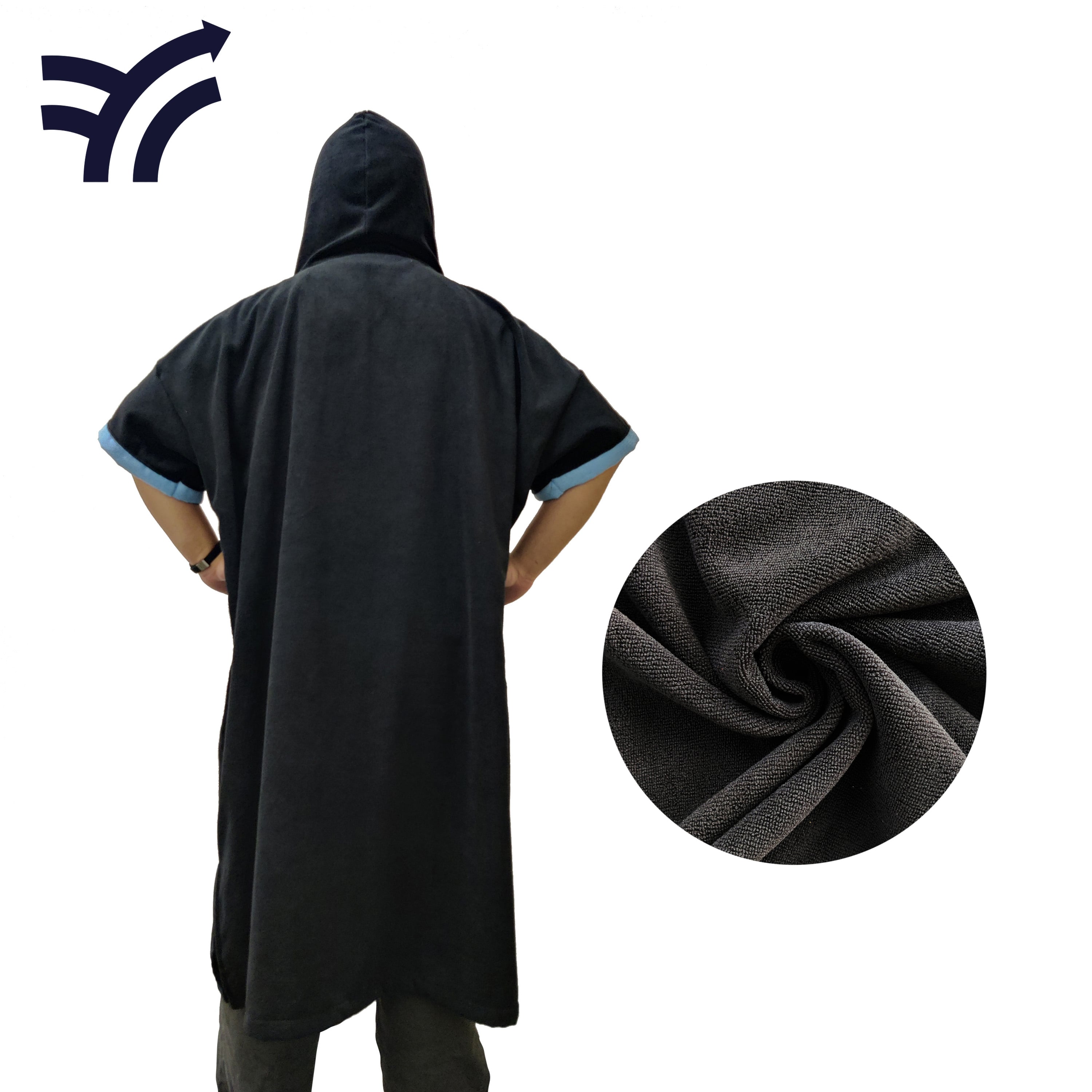
The hospitality industry increasingly recognizes beach ponchos as valuable amenities that enhance guest experiences while providing practical benefits. These versatile garments offer immediate comfort to guests transitioning from water activities to dry environments, eliminating the discomfort of wet swimwear and cold temperatures. Resort managers who prioritize guest comfort often find that providing quality beach ponchos leads to improved reviews and increased customer loyalty.
Retail establishments near beaches and pools also discover significant opportunities in stocking well-designed beach ponchos. Tourists and local customers frequently seek these convenient garments for spontaneous beach visits or as souvenirs that combine functionality with memorable experiences. The growing trend toward outdoor recreation and beach tourism creates consistent demand for quality beach ponchos across various retail channels.
Cotton beach ponchos offer superior absorbency and natural breathability, making them ideal for post-swimming comfort and quick moisture management. The natural fibers in cotton provide excellent skin-friendly properties, reducing irritation for guests with sensitive skin conditions. High-quality cotton varieties resist shrinkage and maintain their shape after repeated washing cycles, ensuring long-term value for hospitality operations.
Synthetic materials like polyester and microfiber present different advantages for beach ponchos, including faster drying times and enhanced durability under intensive use. These materials often resist fading from chlorine exposure and maintain vibrant colors longer than natural alternatives. However, synthetic beach ponchos may not provide the same level of comfort against skin, particularly in hot climates where breathability becomes crucial for user satisfaction.
Modern beach ponchos incorporate various design elements that maximize their versatility and user appeal. Hood designs protect users from sun exposure and wind while providing additional warmth during temperature transitions. Side openings or arm holes allow for greater mobility while maintaining coverage, making these garments practical for walking and light activities after water exposure.
Size considerations play a crucial role in beach poncho functionality, with oversized designs offering more coverage and comfort for diverse body types. Adjustable features like drawstrings or toggles allow users to customize fit and coverage according to their preferences and weather conditions. These thoughtful design elements distinguish premium beach ponchos from basic alternatives, justifying higher price points and improving customer satisfaction rates.
Successful sourcing of beach ponchos begins with identifying suppliers who understand the specific needs of hospitality operations. Reliable suppliers provide consistent quality standards, flexible order quantities, and reasonable lead times that align with seasonal demand patterns. Building long-term partnerships with manufacturers specializing in hospitality textiles often results in better pricing, customization options, and priority service during peak ordering periods.
International suppliers frequently offer competitive pricing for beach ponchos, but require careful evaluation of production capabilities and quality control processes. Domestic suppliers may provide faster delivery times and easier communication, though potentially at higher unit costs. Balancing these factors requires thorough cost-benefit analysis considering total landed costs, including shipping, duties, and potential quality issues that could affect guest satisfaction.
Custom embroidery or printing on beach ponchos creates valuable branding opportunities for hotels and resorts while providing memorable keepsakes for guests. Logo placement requires careful consideration to maintain aesthetic appeal while ensuring visibility and brand recognition. Quality customization processes use colorfast inks and durable embroidery techniques that withstand repeated washing and extended use without degradation.
Color coordination with existing brand aesthetics helps create cohesive visual experiences throughout hospitality properties. Neutral colors like white, beige, or navy blue offer versatility and broad appeal while hiding minor stains better than lighter alternatives. Seasonal color variations allow properties to refresh their inventory while maintaining brand consistency and appealing to different guest preferences throughout the year.
Retail buyers must understand local customer demographics and preferences when selecting beach ponchos for their inventory. Tourist areas often favor colorful, eye-catching designs that serve as attractive souvenirs, while local markets may prefer more subdued, practical options suitable for regular use. Price sensitivity varies significantly between these customer segments, requiring careful product mix planning to maximize sales potential.
Seasonal demand patterns influence inventory planning for beach ponchos, with peak sales typically occurring during spring and summer months. Retailers benefit from establishing supplier relationships that accommodate seasonal ordering patterns while maintaining reasonable minimum order quantities. Understanding these cycles helps optimize cash flow and inventory turnover while ensuring adequate stock during high-demand periods.
Effective merchandising of beach ponchos requires strategic placement near complementary products like sunscreen, beach toys, and swimwear. Visual displays showcasing the versatility and convenience of these garments help customers understand their value proposition beyond simple towel alternatives. Interactive displays allowing customers to feel fabric quality and assess construction details can significantly influence purchasing decisions.
Cross-merchandising opportunities exist with vacation-related items, creating attractive product bundles that increase average transaction values. Beach ponchos pair naturally with sun hats, flip-flops, and beach bags, creating themed displays that appeal to vacation shoppers. Seasonal promotions and package deals help move inventory while introducing customers to the convenience and comfort that quality beach ponchos provide.
Implementing rigorous quality control measures ensures that sourced beach ponchos meet operational standards and customer expectations. Pre-production samples allow buyers to evaluate material quality, construction techniques, and sizing accuracy before committing to large orders. Comprehensive testing should include absorbency rates, colorfastness, shrinkage resistance, and durability under simulated use conditions.
Third-party inspection services provide objective quality assessments and help maintain consistent standards across different production runs. These services evaluate stitching quality, material specifications, and finishing details that affect both appearance and functionality. Regular inspections help identify potential issues early in the production process, reducing the risk of receiving substandard merchandise that could negatively impact customer satisfaction.
Beach ponchos intended for commercial use must comply with relevant safety and labeling regulations in their target markets. Fire retardancy standards may apply in certain hospitality applications, requiring specialized treatments or materials that meet specific performance criteria. Understanding these requirements early in the sourcing process prevents costly delays and ensures legal compliance across all intended use applications.
Environmental certifications increasingly influence purchasing decisions as businesses prioritize sustainable sourcing practices. Organic cotton certifications, eco-friendly dyeing processes, and responsible manufacturing practices appeal to environmentally conscious customers and support corporate sustainability initiatives. These certifications may command premium pricing but often justify the investment through enhanced brand reputation and customer loyalty.
Evaluating beach ponchos requires comprehensive cost analysis extending beyond initial purchase prices to include shipping, storage, and replacement costs over time. Higher-quality garments with superior durability may justify premium pricing through reduced replacement frequency and lower long-term operational costs. This analysis becomes particularly important for high-volume hospitality operations where frequent laundering and heavy use accelerate wear patterns.
Hidden costs in beach poncho sourcing include quality control inspections, customs clearance fees, and potential returns or exchanges due to defects. International shipping costs fluctuate based on fuel prices and global logistics conditions, requiring careful contract negotiations and timing considerations. Building these variables into cost projections helps establish realistic budgets and pricing strategies that maintain profitability while delivering value to customers.
Effective inventory management for beach ponchos balances adequate stock levels with storage costs and capital investment requirements. Seasonal demand patterns require careful planning to avoid overstocking during slow periods while maintaining sufficient inventory for peak sales times. Just-in-time delivery arrangements with reliable suppliers can help minimize storage requirements while ensuring product availability when needed.
Technology solutions like inventory management software help track usage patterns, predict demand, and optimize reorder timing for beach ponchos. These systems provide valuable data for negotiating better terms with suppliers and identifying opportunities for cost reduction through improved efficiency. Regular analysis of inventory turnover rates helps identify slow-moving styles or sizes that may require promotional pricing or discontinuation.
The ideal material for beach ponchos in hospitality applications depends on intended use patterns, washing frequency, and guest comfort priorities. Cotton offers superior absorbency and comfort but requires more careful maintenance, while synthetic blends provide durability and quick-drying properties suitable for high-turnover environments. Consider your specific operational needs, budget constraints, and guest demographics when selecting materials for optimal performance and satisfaction.
Small retailers can leverage their flexibility and customer relationships to compete effectively in beach poncho sourcing by focusing on unique designs, superior customer service, and niche market segments. Building relationships with smaller suppliers who offer lower minimum order quantities allows for more diverse inventory and responsive ordering. Emphasizing quality, local sourcing, or specialized features can justify premium pricing and differentiate from mass-market alternatives offered by larger competitors.
Seasonal factors significantly impact beach poncho sourcing, with spring ordering cycles preparing for summer peak demand and fall clearance periods offering opportunities for discounted inventory. Weather patterns, tourist seasons, and local events influence demand timing and volume requirements. Successful sourcing strategies anticipate these patterns while maintaining flexibility to respond to unexpected weather conditions or market changes that affect customer behavior and purchasing patterns.
Customization options provide significant value for businesses sourcing beach ponchos, enabling brand reinforcement, customer loyalty building, and differentiation from competitors. However, customization typically increases costs and minimum order quantities while extending production lead times. Evaluate the trade-offs between customization benefits and operational constraints to determine optimal approaches that balance brand objectives with budget realities and inventory management requirements.

 EN
EN


