The beach towel retail market presents significant opportunities for savvy retailers who understand consumer preferences and profit margins. Among various towel types, the microfiber beach towel has emerged as a particularly lucrative product category, offering superior absorption, quick-drying capabilities, and compact storage benefits that today's consumers actively seek. Retailers focusing on high-quality microfiber beach towel options often discover enhanced profit margins compared to traditional cotton alternatives, making this product category an essential consideration for any beach-focused retail strategy.
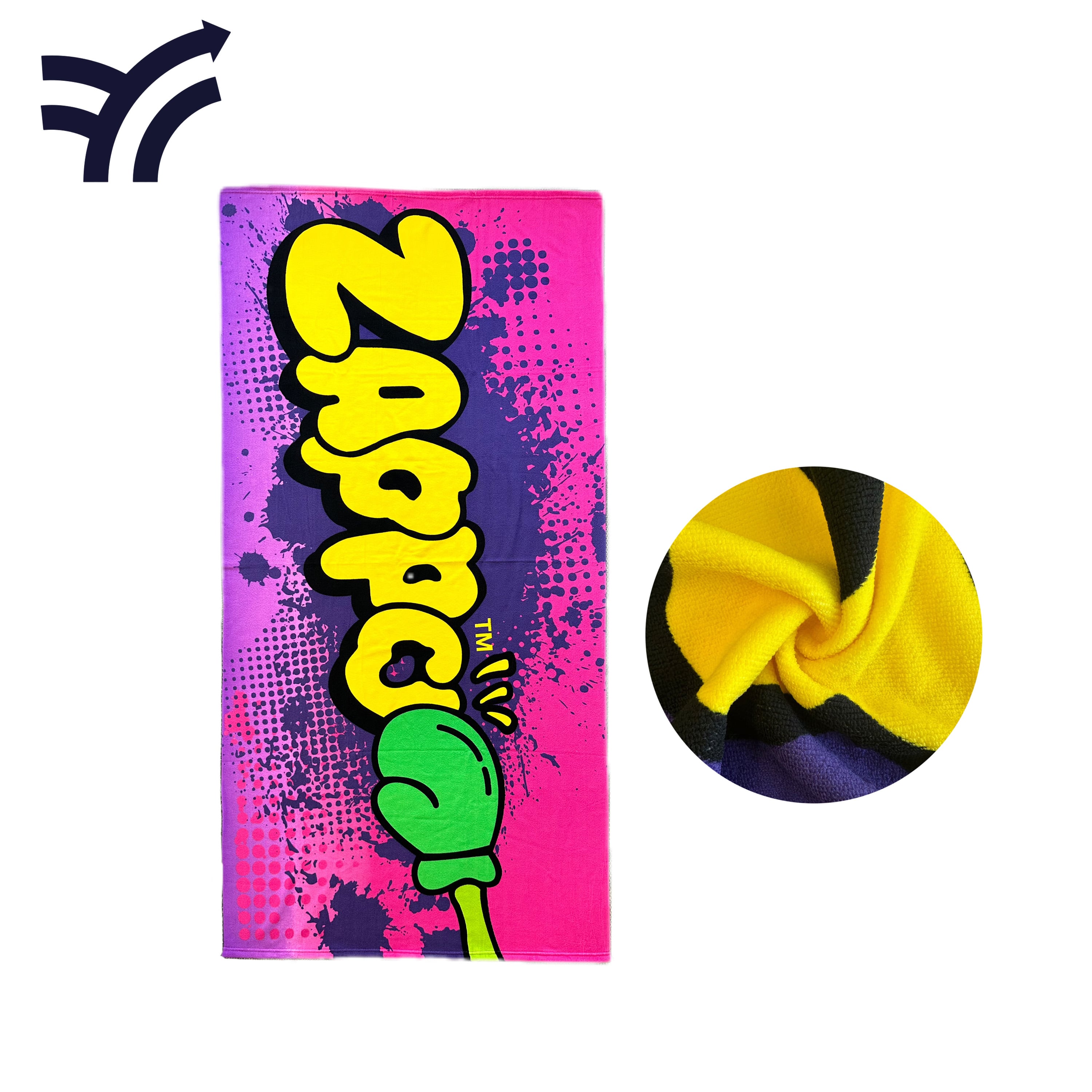
Modern consumers prioritize functionality alongside aesthetics when selecting beach accessories. The microfiber beach towel addresses multiple consumer pain points simultaneously, including weight reduction for travel, enhanced absorption for effective drying, and space-saving storage for compact living situations. Market research indicates that consumers willingly pay premium prices for towels that deliver superior performance, creating opportunities for retailers to achieve higher profit margins on quality microfiber products.
Travel-conscious consumers particularly value the lightweight nature of microfiber construction, as these towels typically weigh 50-70% less than equivalent cotton versions. This weight reduction becomes especially important for airline travelers managing baggage restrictions and outdoor enthusiasts carrying multiple items. Retailers targeting these demographics often discover that premium-priced microfiber beach towel products generate consistent sales throughout extended seasons.
Beach towel sales follow predictable seasonal patterns, with peak demand occurring during spring and early summer months. However, microfiber beach towel products often extend selling seasons due to their versatility for gym use, pool activities, and travel applications. Successful retailers leverage this extended usability to maintain inventory turnover throughout traditionally slower periods, maximizing return on investment for premium microfiber products.
Geographic considerations also influence sales patterns, with coastal retailers experiencing different demand cycles compared to inland locations. Retailers near tourist destinations often discover year-round opportunities for microfiber beach towel sales, as visitors frequently purchase high-quality towels as souvenirs or replacements for forgotten items. Understanding these patterns enables strategic inventory management and pricing optimization for maximum profitability.
Premium microfiber beach towel products incorporate specific features that justify higher price points and improved profit margins. Superior microfiber density, typically measured in GSM (grams per square meter), directly correlates with absorption capacity and durability. Retailers focusing on high-density microfiber products often achieve better customer satisfaction and reduced return rates, contributing to overall profitability.
Advanced manufacturing techniques create microfiber beach towel products with enhanced softness, color retention, and sand-resistance properties. These technical improvements provide tangible benefits that consumers readily recognize, supporting premium pricing strategies. Retailers educating customers about these quality differences often discover increased willingness to invest in higher-priced options, improving per-unit profit margins significantly.
Visual appeal plays a crucial role in beach towel purchasing decisions, with consumers gravitating toward unique patterns, vibrant colors, and artistic designs. The microfiber beach towel category offers exceptional printing capabilities, allowing for sharp, fade-resistant graphics that maintain visual impact through multiple wash cycles. Retailers partnering with suppliers offering custom design options often achieve better differentiation and pricing power in competitive markets.
Size variations also create opportunities for product line expansion and price optimization. Oversized microfiber beach towel options appeal to families and couples sharing towels, while compact travel versions target individual users prioritizing portability. This size diversification enables retailers to address multiple market segments with varying price sensitivity levels, optimizing revenue potential across different customer categories.
Establishing reliable supplier relationships becomes critical for retailers focusing on microfiber beach towel products, as quality variations significantly impact customer satisfaction and return rates. Reputable suppliers provide consistent microfiber density, colorfastness, and construction quality that support premium pricing strategies. Retailers investing in supplier verification and quality testing processes often achieve better long-term profitability through reduced warranty claims and enhanced customer loyalty.
Minimum order quantities and production lead times influence inventory management strategies for microfiber beach towel retailers. Suppliers offering flexible order quantities enable smaller retailers to test new designs and sizes without excessive inventory risk, while maintaining adequate stock levels during peak demand periods. Strategic supplier relationships often include exclusive design rights or preferred pricing arrangements that enhance competitive positioning.
Understanding the true cost structure of microfiber beach towel products enables retailers to optimize pricing strategies for maximum profitability. Direct material costs typically represent 25-35% of wholesale prices, while manufacturing, transportation, and supplier margins comprise additional cost components. Retailers analyzing these cost elements often identify opportunities for improved sourcing or value-added services that enhance overall profit margins.
Volume purchasing advantages become particularly significant for microfiber beach towel retailers, as larger orders typically reduce per-unit costs through manufacturing efficiency and transportation optimization. However, inventory carrying costs must be balanced against volume discounts to achieve optimal profitability. Successful retailers often establish inventory turnover targets and adjust purchasing strategies accordingly.
Effective marketing for microfiber beach towel products requires precise target market identification and tailored messaging that emphasizes relevant benefits. Active lifestyle consumers, frequent travelers, and environmentally conscious buyers represent primary target segments with distinct motivational factors. Retailers developing segment-specific marketing approaches often achieve better conversion rates and customer retention compared to generic promotional strategies.
Educational marketing content highlighting microfiber technology advantages helps justify premium pricing for quality products. Retailers explaining absorption efficiency, quick-drying properties, and space-saving benefits often discover improved customer understanding and willingness to invest in higher-priced microfiber beach towel options. This educational approach builds brand credibility and supports long-term customer relationships.
Multi-channel distribution strategies maximize market reach for microfiber beach towel retailers, combining physical retail locations with online sales platforms and wholesale partnerships. Each channel requires specific pricing and promotional approaches that account for different customer expectations and competitive dynamics. Retailers optimizing channel-specific strategies often achieve better overall profitability through improved market penetration and customer acquisition.
Online marketplaces provide significant opportunities for microfiber beach towel sales, particularly for retailers lacking physical coastal locations. However, online success requires optimized product descriptions, high-quality images, and competitive pricing strategies that account for platform fees and shipping costs. Retailers mastering online presentation often discover expanded geographic reach and improved seasonal sales consistency.
Accurate demand forecasting becomes essential for microfiber beach towel retailers managing seasonal inventory fluctuations and minimizing carrying costs. Historical sales data, weather patterns, and tourism statistics provide valuable inputs for forecasting models that guide purchasing decisions. Retailers implementing systematic forecasting approaches often achieve better inventory turnover and reduced markdown requirements during off-seasons.
Safety stock levels must account for supply chain variability and unexpected demand spikes that commonly occur during favorable weather periods. Microfiber beach towel products typically have longer shelf lives compared to fashion items, enabling retailers to maintain higher safety stock levels without significant obsolescence risk. Strategic safety stock management balances stockout prevention with inventory carrying cost optimization.
End-of-season clearance strategies significantly impact annual profitability for microfiber beach towel retailers, as markdown timing and pricing affect overall gross margins. Retailers beginning clearance activities too early often sacrifice profitable full-price sales, while delayed markdowns may result in excessive remaining inventory. Optimal clearance timing typically occurs 4-6 weeks before traditional season end, allowing sufficient time for inventory reduction.
Bundling strategies during clearance periods can improve average transaction values while reducing individual item markdowns. Microfiber beach towel retailers often successfully bundle towels with related accessories, sunscreen products, or beach bags to create attractive value propositions. These bundling approaches help maintain profit margins while accelerating inventory turnover during clearance periods.
Microfiber beach towel retailers typically achieve gross margins ranging from 45-65%, depending on product quality, sourcing strategies, and market positioning. Premium products with unique features or designs often command higher margins, while basic microfiber options compete primarily on price. Successful retailers focus on value-added features and customer education to support premium pricing strategies that optimize profitability.
Microfiber beach towel products generally offer superior profit potential compared to traditional cotton alternatives due to higher perceived value, reduced shipping costs, and extended product lifecycles. Consumer preference for lightweight, quick-drying options continues growing, particularly among travel-focused demographics. Retailers often discover that microfiber beach towel products generate higher customer satisfaction rates and repeat purchases compared to cotton equivalents.
Optimal inventory levels for microfiber beach towel retailers typically represent 8-12 weeks of projected peak season demand, accounting for supply chain lead times and safety stock requirements. Retailers should begin inventory buildup 12-16 weeks before peak season to ensure adequate stock levels without excessive carrying costs. Geographic location, customer base, and promotional strategies all influence specific inventory requirements for individual retail operations.
Superior absorption capacity, quick-drying performance, and compact storage capability represent the most valued microfiber beach towel features among consumers. Sand-resistance properties and fade-resistant colors also contribute significantly to customer satisfaction and repeat purchases. Retailers emphasizing these functional benefits in product selection and marketing typically achieve better sales performance and customer loyalty compared to competitors focusing solely on price considerations.

 EN
EN


