When brands and wholesalers approach retailers and yoga studios with new products, first impressions matter enormously. yoga towels are no exception. In a marketplace crowded with functional fitness accessories, the way yoga towels are presented, packaged, and positioned can be the single deciding factor between a buyer placing a bulk order or walking away. Retailers need products that sell themselves on the shelf, while studio owners want accessories that reflect their brand values and resonate with their clientele.
Understanding how to package yoga towels effectively goes beyond selecting a nice box or a pretty label. It involves a deliberate strategy that communicates product quality, supports retail merchandising needs, and aligns with the values of the wellness community. Whether you are a manufacturer entering a new market or a brand scaling up distribution, packaging decisions for yoga towels carry significant commercial weight. This article explores the core packaging principles and strategic considerations that help yoga towels win the attention — and purchase orders — of retailers and studios alike.
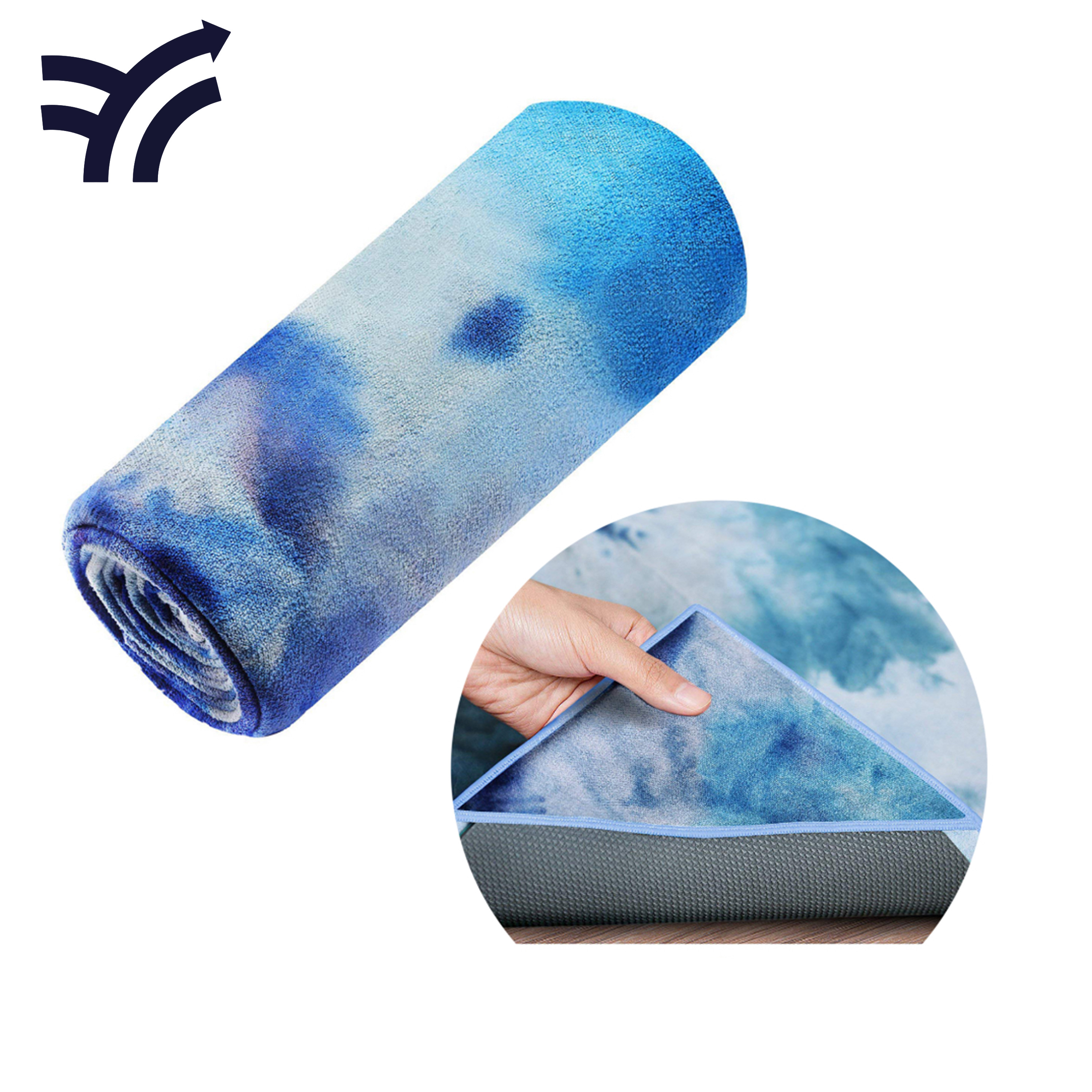
Retail buyers and studio procurement managers evaluate dozens of products in a single sitting. When yoga towels arrive for consideration, their packaging communicates a great deal before the product is even touched. Clean, informative, and visually consistent packaging signals to a buyer that the brand behind the product is professional, detail-oriented, and market-ready. A poorly packaged yoga towel, regardless of its actual quality, risks being dismissed before its features are ever reviewed.
For retail environments specifically, packaging must do a job that a salesperson cannot always do — it must communicate the product's value proposition in seconds. Shoppers in yoga studios and fitness boutiques scan displays quickly, and packaging that features compelling visuals, concise benefit statements, and a clear brand identity converts browsers into buyers. This is why investing in thoughtful packaging for yoga towels is not a cosmetic expense but a genuine sales driver.
Studio owners, on the other hand, often think about packaging slightly differently. They want products they can resell or offer as part of their brand experience. Yoga towels packaged in ways that feel premium, sustainable, or gift-ready are more attractive to studios that want to elevate the perceived value of their retail corner or welcome packs. Packaging that feels aligned with the wellness aesthetic of a studio creates an intuitive fit that makes purchasing feel like the obvious decision.
Beyond aesthetics, yoga towels must be packaged in ways that support practical retail merchandising. Retailers need products that hang well, stack neatly, or display cleanly on shelf space. Packaging formats such as hang-tab polybags, rolled and banded presentations, or compact folded packaging with a header card all serve different retail environments. Understanding where the buyer intends to place the product helps guide the most appropriate format choice.
Barcode placement, size labeling, care instruction accessibility, and retail-ready pricing windows are also critical functional elements. Retailers want to receive yoga towels that require zero additional preparation before hitting the floor. Any packaging that forces a retailer to add stickers, re-tag, or re-fold the product introduces friction that reduces the appeal of working with a supplier. Getting these details right from the start signals that a brand understands how retail operations work.
One of the most widely used formats for yoga towels in retail settings is the polybag paired with a printed header card. The towel is neatly folded and sealed inside a clear or frosted polybag, with a full-color header card inserted at the top. This format allows the buyer and end consumer to see the actual product texture and color while the header card communicates the brand story, key features, and certifications. The transparency of the bag combined with professional print on the card creates a strong visual impression at a modest production cost.
For yoga towels sold in multi-unit sets — such as a mat towel paired with a hand towel — the polybag format can be expanded without dramatically changing the production setup. Brands can also customize the header card seasonally or by retailer, making it a flexible solution that accommodates private labeling for studio partners. This level of adaptability is a practical advantage when pitching to multiple retail and studio accounts simultaneously.
Rolling yoga towels and securing them with a branded paper band or fabric tie creates a premium, artisanal feel that resonates particularly well with boutique yoga studios and specialty wellness retailers. This presentation style conveys craftsmanship and reduces the amount of plastic used in packaging, which aligns with the environmental values common in the yoga community. A rolled towel with a textured or embossed band stands out immediately in a display setting and encourages tactile engagement from shoppers.
From a logistics standpoint, rolled yoga towels can be displayed upright in bins or baskets, making them ideal for studio retail corners where shelf space is limited and a 'grab-and-go' shopping experience is desired. The simplicity of this format also supports eco-conscious brand messaging, as the minimal packaging approach reduces material waste. Studios that position themselves around sustainability find this format naturally aligned with their values.
When yoga towels are positioned at a higher price point or marketed as gifts, box packaging delivers the unboxing experience that justifies the premium. A rigid or soft-touch folding box with interior tissue paper, a branded ribbon, or a personalized card transforms a functional product into something gift-worthy. This packaging approach is especially compelling for studio welcome kits, teacher training packages, and retail holiday displays.
Box packaging also offers the most surface area for brand storytelling. The exterior of the box can carry full-color imagery, mission statements, material callouts such as microfiber technology highlights, and social media handles that encourage ongoing engagement. Retailers who carry premium lines appreciate box-packaged yoga towels because they command higher shelf prices and create a clear visual hierarchy within a product assortment. The investment in box packaging is often returned through improved average selling price and stronger margin performance at retail.
The visual language of packaging for yoga towels must feel intentional and consistent. Retailers and studio buyers are experienced at recognizing when packaging has been professionally designed versus hastily assembled. A cohesive color palette, legible typography, and imagery that reflects the actual use context of yoga towels all contribute to packaging that feels credible and commercially polished. The colors chosen should either complement the towel colors inside or create an intentional contrast that draws the eye.
Brands targeting premium yoga studios often gravitate toward muted, earthy, or monochromatic palettes that feel calm and intentional — reflecting the mindful aesthetic of the yoga world. Brands targeting broader retail channels may use bolder colors or more energetic imagery to stand out in busier, more competitive display environments. The key is that the visual identity of the packaging accurately represents the product experience inside and builds the right expectations before the consumer ever opens the packaging.
What the packaging says is just as important as how it looks. Retailers and studio buyers want to see clear material specifications, dimensions, care instructions, and key performance features prominently featured on yoga towel packaging. Calling out attributes such as non-slip grip, sweat absorption, quick-dry technology, or eco-friendly certifications helps buyers quickly evaluate whether the product fits their assortment and customer base.
The hierarchy of information matters deeply. The most compelling benefit statement should be the first thing a buyer reads, followed by supporting details that confirm the claim. Certifications, if applicable, should be displayed with their official logos where possible, as these add immediate credibility. Contact information, website, and social media handles should appear on secondary packaging panels to keep the front of the packaging clean while still making it easy for buyers to follow up and reorder yoga towels.
Many yoga studios are not simply looking to resell a branded product — they want to offer yoga towels that carry their own studio identity. Private label packaging allows studios to present yoga towels under their name and logo, reinforcing brand loyalty among their members and creating a revenue stream that feels exclusive. When a supplier can offer custom packaging with low minimum order quantities, the barrier to entry for a studio investment is dramatically reduced, making the conversation much easier to open.
Custom packaging for studio-branded yoga towels often involves straightforward modifications such as logo placement, custom colorways on the header card or band, and a personalized message insert. These changes do not require an entirely new packaging structure, which means the cost uplift is manageable while the perceived value is significantly higher. Studios that invest in private label yoga towels tend to become longer-term, higher-volume accounts because the packaging investment creates a lock-in effect — they are unlikely to switch to another supplier once their branding is integrated.
For brands that are scaling distribution and beginning to work with multiple retailers and studios simultaneously, it is important to design packaging systems that can grow without requiring a complete redesign. Starting with a modular packaging approach — where the core design stays consistent but inserts, bands, or labels can be swapped — allows yoga towels to be customized for different accounts without exploding production costs. This scalability is a strategic advantage when pitching to regional chains or multi-location studio groups.
Packaging suppliers that specialize in wellness and fitness categories can be valuable partners in building these scalable systems. Working with a supplier who understands the commercial realities of retail distribution — including lead times, minimum order constraints, and retail compliance requirements — helps ensure that packaging decisions support rather than hinder growth. Brands that get packaging right early in their distribution journey avoid costly redesigns later and build a more consistent presence across all their yoga towel retail touchpoints.
The yoga community has consistently demonstrated a strong preference for brands that reflect environmental responsibility. Packaging choices for yoga towels are visible expressions of a brand's sustainability commitment, and buyers at both retail and studio levels are increasingly factoring this into their purchasing decisions. Recycled paper, soy-based inks, biodegradable bags, and minimal plastic use are no longer niche differentiators — they are fast becoming baseline expectations in this market segment.
Brands that lead with sustainable packaging tell a story that yoga enthusiasts and studio owners want to be part of. This is not just about environmental correctness — it is about brand alignment. A yoga towel packaged in recycled kraft paper with a seed-paper tag sends a message about the values behind the product that resonates on an emotional level. That emotional resonance drives trial purchases, word-of-mouth recommendations, and long-term customer loyalty in a community that is tightly connected and values-driven.
While sustainability is important, packaging for yoga towels must still perform its protective function through shipping, warehousing, and retail handling. A purely eco-minimalist approach that results in damaged or soiled products upon arrival defeats the purpose and creates costly returns. The practical challenge is finding materials that are both environmentally responsible and structurally sound enough to protect yoga towels through the full distribution journey.
Many brands are successfully navigating this balance by using recycled-content corrugated inners for shipping protection while keeping consumer-facing packaging minimal and eco-friendly. The inner shipping layer never reaches the consumer, so it does not need to carry brand messaging, but it does need to perform mechanically. Being transparent with retail buyers about the dual-layer packaging approach — protective outer, eco-friendly consumer pack — demonstrates operational maturity and builds confidence in the brand's ability to deliver consistently.
For specialty boutiques and yoga studio retail corners, a rolled presentation with a branded paper band or a polybag with a premium header card tends to work exceptionally well. These formats are compact, visually attractive, and easy to merchandise without requiring significant shelf space. They also communicate a sense of craftsmanship that aligns with the premium positioning most boutiques seek to maintain. The key is ensuring the packaging feels intentional and reflects the quality of the yoga towels inside.
Sustainability is increasingly a deciding factor for studio buyers who want their product offerings to reflect the values of their community. Yoga towels packaged with minimal plastic, recycled materials, or biodegradable options often receive a more favorable initial reception than conventionally packaged alternatives. That said, sustainability should never come at the expense of product protection or professional presentation. The most effective approach is packaging that is genuinely eco-friendly in its materials while still looking polished and retail-ready.
Yes, and this is an important commercial opportunity that small brands should not overlook. Many packaging suppliers now offer short-run digital printing solutions that make it possible to produce custom-branded packaging for yoga towels at relatively low minimum quantities. Using a modular system — where the base packaging structure is shared but labels or header cards are customized — further reduces the investment required. This flexibility makes private label packaging accessible for studio accounts of various sizes and positions a brand as a genuine partnership-oriented supplier.
At minimum, retail-ready packaging for yoga towels should include the product name, material composition, dimensions, care instructions, and a barcode or SKU. Key performance features such as grip technology, moisture-wicking capability, or certifications should also be prominently displayed, as these help retail buyers quickly understand the product's positioning and target customer. Contact details, website, and a clear brand logo complete the essential information set and make it easy for buyers to reorder yoga towels or seek additional product information when needed.

 EN
EN


