The global yoga market continues to expand at an unprecedented rate, creating significant opportunities for suppliers who understand which accessories generate the highest profit margins. Among yoga essentials, towels represent one of the most consistently profitable product categories for both studio owners and retail suppliers. The key to maximizing profitability lies in understanding consumer preferences, material quality differences, and pricing strategies that align with market demand. Studios and retailers who strategically select their towel inventory can achieve profit margins exceeding 60% while building customer loyalty through quality products.
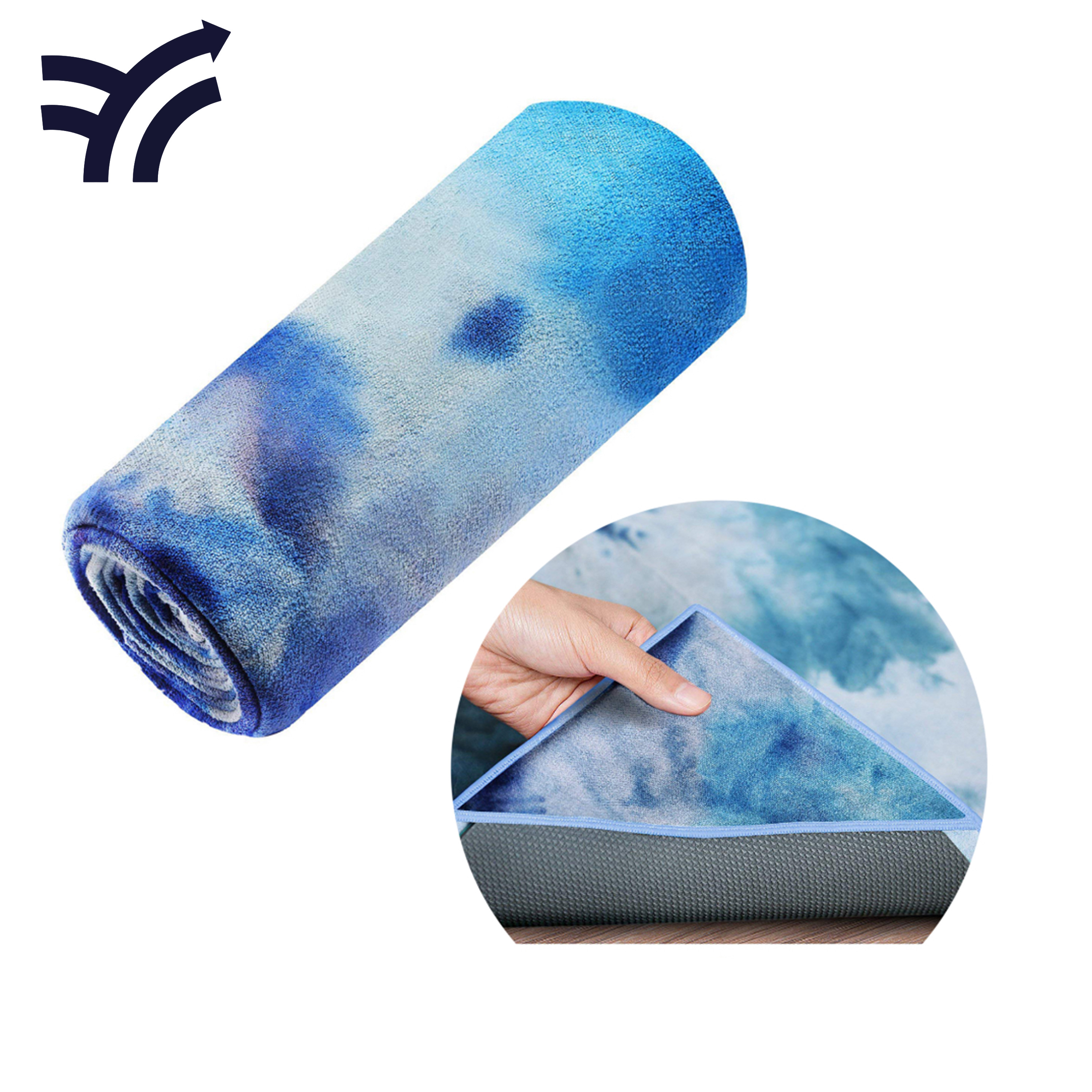
Consumer research consistently shows that yoga practitioners prioritize functionality over price when selecting towels for their practice. Premium materials command significantly higher wholesale and retail prices while maintaining strong demand elasticity. The microfiber yoga towel segment represents the fastest-growing category, with suppliers reporting average gross margins between 55-70% compared to traditional cotton alternatives at 35-45%. This premium positioning reflects consumer willingness to invest in products that enhance their practice experience through superior grip, absorbency, and durability.
Market analysis reveals that studios charging premium class fees generate the highest towel sales revenue per customer. These establishments typically stock higher-end towel options, creating multiple revenue streams through retail sales, towel rental programs, and bundled package offerings. Suppliers focusing on this premium segment benefit from reduced price competition and stronger brand loyalty among both studio owners and end consumers.
Understanding seasonal fluctuations enables suppliers to optimize inventory levels and pricing strategies throughout the year. Hot yoga and Bikram studios experience peak towel demand during summer months, with sales increasing by 40-60% compared to winter periods. Retail suppliers benefit from stocking higher quantities of quick-dry and extra-absorbent varieties during these peak seasons. Conversely, gentler yoga styles maintain more consistent towel sales year-round, providing stable revenue streams for suppliers serving diverse studio types.
New Year resolution periods create significant sales spikes, with January and February showing 80-120% increases in new practitioner towel purchases. Suppliers who anticipate these patterns and adjust inventory accordingly can capitalize on higher demand periods while avoiding overstock situations during slower months. Pre-season ordering strategies allow suppliers to negotiate better wholesale prices while ensuring adequate stock levels during peak demand periods.
Successful suppliers understand the cost implications of different towel materials and construction methods. Microfiber options typically cost 20-30% more to manufacture than standard cotton towels but command retail prices 60-80% higher, resulting in superior profit margins. The durability advantage of microfiber construction reduces customer replacement frequency, creating opportunities for premium positioning and brand building. Suppliers who focus on quality materials report lower return rates and higher customer satisfaction scores.
Blended materials offer middle-ground positioning for suppliers targeting price-conscious segments while maintaining reasonable profit margins. Bamboo-cotton blends and organic cotton variants appeal to environmentally conscious consumers willing to pay premium prices for sustainable options. These specialty materials often command the highest retail prices while requiring minimal additional manufacturing costs, making them highly profitable for suppliers who can effectively market their environmental benefits.
Establishing strategic partnerships with studios and retailers creates opportunities for volume-based pricing that benefits both suppliers and customers. Studios purchasing towels in quantities of 50 or more typically receive 15-25% wholesale discounts while maintaining healthy retail margins. Suppliers offering tiered pricing structures encourage larger orders, improving cash flow and reducing per-unit fulfillment costs. Long-term contracts with established studios provide revenue predictability while allowing suppliers to optimize production scheduling.
Exclusive distribution agreements with premium studios create competitive advantages for suppliers willing to invest in relationship building. These partnerships often include co-marketing opportunities, product development collaboration, and preferential pricing arrangements that benefit both parties. Suppliers who successfully develop these relationships report more stable revenue streams and reduced customer acquisition costs compared to those relying solely on transactional sales approaches.
Studio owners evaluate towel suppliers based on multiple criteria beyond simple unit cost considerations. Quality consistency ranks as the primary concern, with studios preferring suppliers who maintain strict manufacturing standards across large orders. Delivery reliability and flexible ordering terms significantly influence supplier selection, particularly for studios managing tight cash flow situations. Suppliers offering extended payment terms and reliable delivery schedules often secure long-term partnerships despite slightly higher unit costs.
Brand reputation and customer service quality play crucial roles in studio owner supplier selection processes. Studios invest significant time and resources in building their brand identity and prefer working with suppliers who support these efforts through consistent product quality and professional service. Suppliers who understand studio operational challenges and offer solutions beyond product supply create strong competitive advantages in this market segment.
Individual consumers exhibit different purchase patterns compared to studio buyers, creating distinct opportunities for suppliers. Retail customers typically purchase 1-3 towels per transaction but show strong brand loyalty once satisfied with product performance. Online reviews and word-of-mouth recommendations heavily influence consumer towel selection, making product quality and customer satisfaction crucial for long-term success. Suppliers focusing on retail markets benefit from higher per-unit margins but face increased marketing and customer service costs.
Gift purchases represent a significant but often overlooked revenue opportunity for towel suppliers. Yoga towels frequently appear on holiday and birthday gift lists, with gift buyers typically selecting higher-priced options than individuals purchasing for personal use. Suppliers offering attractive packaging and gift-focused marketing messages can tap into this lucrative segment, particularly during holiday seasons and special occasions throughout the year.
Successful suppliers develop diverse distribution channels to maximize market reach and reduce dependency on any single customer segment. Direct-to-studio sales provide higher margins and stronger relationships but require significant sales resources and extended payment terms. Online retail platforms offer broader market access and faster payment cycles but involve increased competition and reduced profit margins. Balancing these channels allows suppliers to optimize revenue while managing risk exposure across different market segments.
Wholesale partnerships with established yoga retailers create opportunities for volume sales with predictable ordering patterns. These relationships typically involve lower per-unit margins but provide steady revenue streams and reduced customer acquisition costs. Suppliers who successfully develop wholesale partnerships often achieve economies of scale that improve overall profitability despite reduced per-unit returns.
Building strong brand recognition among yoga communities creates sustainable competitive advantages for towel suppliers. Social media marketing campaigns featuring real practitioners using products in authentic studio settings generate higher engagement rates than traditional advertising approaches. Influencer partnerships with respected yoga instructors provide credibility and reach within target communities, often resulting in sustained sales increases rather than temporary promotional spikes.
Content marketing strategies focusing on yoga practice tips, towel care instructions, and community building create ongoing touchpoints with potential customers. Suppliers who consistently provide valuable content alongside product promotions build trust and authority within yoga communities, leading to increased customer lifetime value and reduced customer acquisition costs. These long-term marketing investments often generate better returns than short-term promotional campaigns.
Establishing rigorous quality standards differentiates successful suppliers from competitors focused solely on price competition. Absorption rate testing, grip performance evaluation, and durability assessments provide objective measures for product comparison and improvement. Suppliers who invest in quality testing equipment and processes can confidently market superior product performance while commanding premium prices. These quality investments typically pay for themselves through reduced returns, improved customer satisfaction, and enhanced brand reputation.
Third-party certifications and testing provide additional credibility for suppliers targeting premium market segments. Environmental certifications, safety testing results, and performance benchmarking create marketing advantages that justify higher prices. Studios and retailers increasingly prefer suppliers who can provide documented quality assurance, particularly when serving health-conscious yoga communities that prioritize product safety and environmental responsibility.
Continuous product innovation creates opportunities for suppliers to stay ahead of market trends and maintain premium positioning. New fiber technologies, improved manufacturing processes, and enhanced design features provide differentiation opportunities that competitors cannot easily replicate. Suppliers who invest in research and development often discover new applications and market segments that generate additional revenue streams beyond traditional yoga towel sales.
Customer feedback integration into product development processes ensures that innovations address real market needs rather than theoretical improvements. Suppliers who actively collect and analyze user feedback create products that better serve customer needs while identifying opportunities for premium feature additions. This customer-centric approach to innovation typically results in higher acceptance rates for new products and reduced development risks.
Premium yoga towel suppliers typically achieve gross margins between 55-70% when focusing on microfiber and specialty materials. These higher margins reflect consumer willingness to pay premium prices for superior performance, durability, and comfort. Suppliers who establish strong brand recognition and maintain consistent quality standards often sustain these margin levels long-term, while those competing primarily on price typically see margins compressed to 35-45% ranges.
Yoga towel demand follows predictable seasonal patterns, with summer months showing 40-60% increases for hot yoga studios and New Year periods generating 80-120% spikes in new practitioner purchases. Successful suppliers adjust inventory levels 60-90 days ahead of these peak periods, negotiate better wholesale pricing through pre-season ordering, and develop flexible fulfillment strategies to capitalize on demand surges while avoiding overstock situations during slower periods.
Studio owners prioritize quality consistency, delivery reliability, and flexible payment terms when selecting towel suppliers. Brand reputation and customer service quality significantly influence long-term partnership decisions, often outweighing minor price differences. Suppliers who understand studio operational challenges and offer solutions beyond basic product supply create competitive advantages that justify premium pricing and generate sustainable business relationships.
Direct-to-studio sales typically provide the highest per-unit margins but require significant sales resources and extended payment terms. Online retail platforms offer broader market reach with faster payment cycles but involve increased competition. Wholesale partnerships with established retailers create steady revenue streams with predictable ordering patterns. Most successful suppliers develop multi-channel strategies that balance these different approaches to optimize overall profitability while managing risk exposure.

 EN
EN


