Athletic performance relies heavily on the right equipment, and choosing the appropriate towel can significantly impact comfort and hygiene during workouts. Modern athletes require towels that combine exceptional absorbency with rapid drying capabilities, making material selection crucial for optimal performance. The evolution of textile technology has introduced innovative fabrics specifically engineered for sports applications, transforming how we approach moisture management in athletic environments.
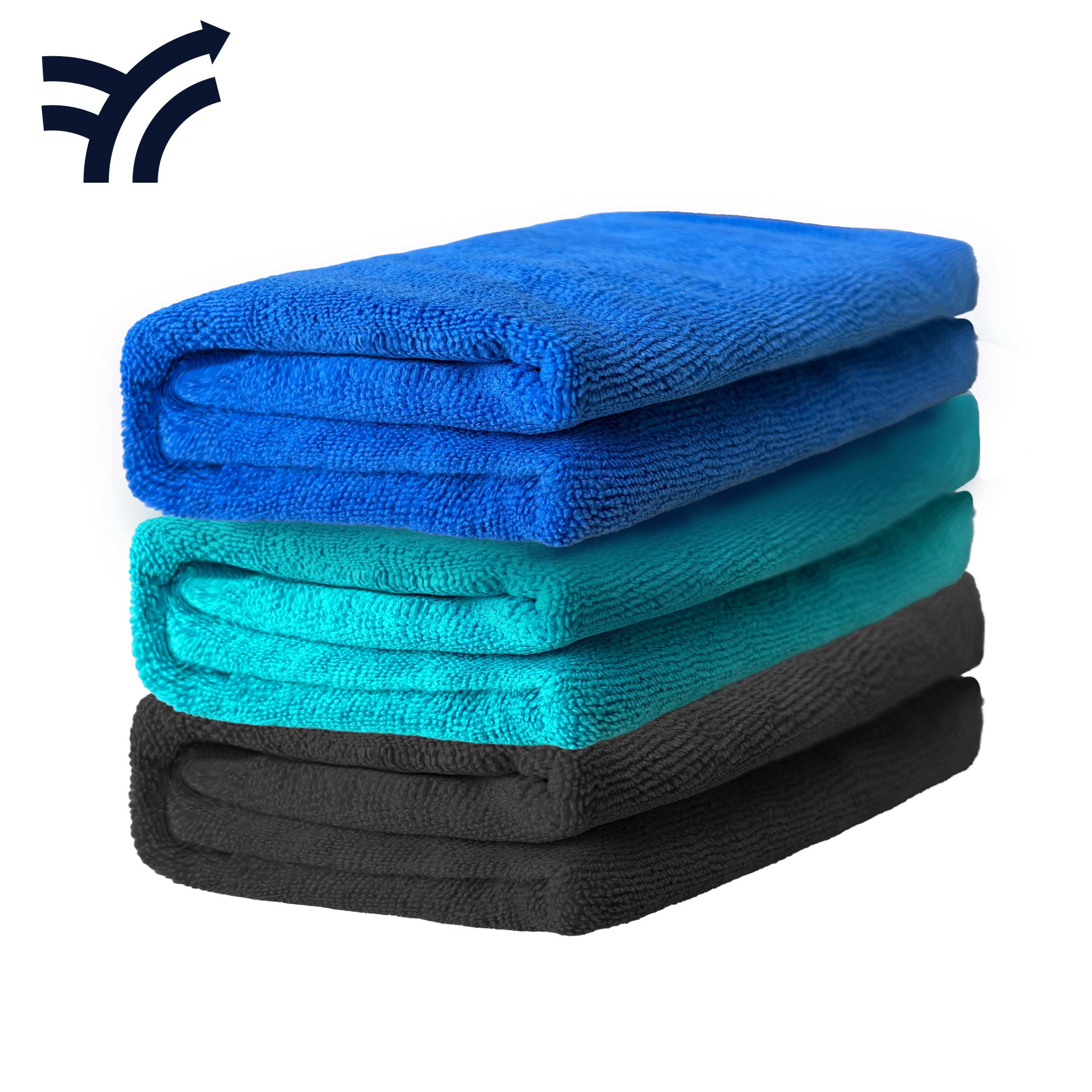
The demand for high-performance sports towels has grown exponentially as fitness enthusiasts recognize the importance of proper moisture control. Traditional cotton towels, while comfortable, often fall short in competitive environments where quick moisture removal and rapid drying are essential. Understanding the science behind different materials helps athletes make informed decisions that enhance their training experience and maintain optimal hygiene standards throughout intense physical activities.
Microfiber technology represents a significant advancement in textile engineering, utilizing ultra-fine synthetic fibers that are considerably thinner than human hair. The most effective sports towels combine polyester and polyamide in carefully calculated ratios to maximize both absorption capacity and drying speed. Polyester provides structural integrity and quick-drying properties, while polyamide contributes exceptional softness and enhanced moisture-wicking capabilities that athletes appreciate during extended training sessions.
The manufacturing process creates microscopic spaces between individual fibers, dramatically increasing surface area and creating capillary action that rapidly draws moisture away from skin. This unique structure allows a quick dry microfiber sports towel to absorb several times its weight in water while maintaining a lightweight profile. The synthetic composition also provides superior durability compared to natural fibers, resisting degradation from frequent washing and exposure to chlorine in swimming environments.
The effectiveness of microfiber sports towels depends significantly on fiber density measured in grams per square meter, with optimal ranges typically falling between 300-400 GSM for athletic applications. Higher density fabrics offer superior absorption but may compromise drying speed, while lower density options dry rapidly but sacrifice moisture capacity. Manufacturers must balance these characteristics to create products that meet diverse athletic requirements across different sports and environmental conditions.
Advanced weave patterns further enhance performance by creating directional moisture channels that facilitate rapid water movement through the fabric structure. Waffle weaves, terry loops, and specialized knit patterns each offer distinct advantages for specific applications. The three-dimensional surface texture increases contact area with skin while promoting air circulation that accelerates evaporation, making these towels particularly effective for gym workouts and outdoor activities where quick moisture management is critical.
Bamboo-derived fibers have emerged as an exceptional complement to synthetic materials in premium sports towels, offering natural antimicrobial properties that inhibit bacterial growth without chemical treatments. The inherent bamboo kun substance provides long-lasting odor resistance that remains effective through countless washing cycles. This natural protection is particularly valuable for athletes who engage in high-intensity training where bacterial proliferation can quickly become problematic in traditional towel materials.
The integration of bamboo fibers creates a hybrid material that combines the best aspects of natural and synthetic technologies. Bamboo contributes exceptional softness and temperature regulation while maintaining the rapid-drying characteristics essential for sports applications. The resulting fabric feels luxurious against skin while delivering the performance metrics demanded by professional athletes and fitness enthusiasts who require reliable moisture management during demanding physical activities.
Modern consumers increasingly prioritize environmental responsibility alongside performance, making bamboo integration particularly attractive for eco-conscious athletes. Bamboo grows rapidly without requiring pesticides or excessive water, creating a renewable resource that supports sustainable manufacturing practices. The biodegradable nature of bamboo fibers also addresses end-of-life environmental concerns that synthetic-only products cannot match, appealing to athletes who value both performance and environmental stewardship.
The production process for bamboo-enhanced sports towels typically requires less energy and generates fewer carbon emissions compared to purely synthetic alternatives. This environmental advantage does not compromise performance, as properly processed bamboo fibers maintain the quick-drying characteristics essential for athletic applications. The combination creates products that satisfy both performance requirements and sustainability goals, representing the future direction of responsible sports equipment manufacturing.
High-performance sports applications often demand materials that exceed the capabilities of standard microfiber compositions, leading to the incorporation of specialized synthetic fibers like nylon and spandex. Nylon contributes exceptional strength and abrasion resistance, making towels more durable in harsh training environments where equipment undergoes significant stress. The addition of small percentages of spandex provides stretch recovery that helps towels maintain their shape and texture through repeated use and washing cycles.
These advanced synthetic blends create towels that can withstand the rigors of professional athletic training while maintaining consistent performance characteristics. The enhanced durability translates to longer product lifespans and better value for athletes who invest in premium equipment. The improved stretch properties also contribute to better draping and handling characteristics, making the towels more versatile for different application methods during training and competition scenarios.
The latest developments in sports towel technology incorporate moisture-wicking treatments that enhance the natural properties of advanced fiber blends. These treatments create microscopic channels on fiber surfaces that actively transport moisture away from skin toward the fabric exterior where evaporation can occur more efficiently. The result is towels that not only absorb moisture but actively participate in the cooling process, providing athletes with enhanced comfort during intense physical exertion.
Specialized polymer treatments can be applied during manufacturing to create permanent moisture-wicking properties that resist degradation from washing and use. These treatments work synergistically with the fiber structure to create multi-layered moisture management systems. The inner layer contacts skin and rapidly absorbs moisture, while outer layers facilitate quick evaporation, creating a dynamic system that adapts to varying moisture loads during different phases of athletic activity.
Professional sports towel evaluation involves rigorous testing protocols that measure absorption capacity under controlled conditions to ensure consistent performance standards. Laboratory testing typically measures how much water a towel can absorb relative to its dry weight, with premium sports towels often achieving absorption ratios of 4:1 or higher. These measurements provide objective data that athletes can use to compare products and select towels that meet their specific moisture management requirements.
Testing procedures also evaluate absorption speed, measuring how quickly towels can absorb a standard amount of moisture under standardized conditions. This metric is crucial for sports applications where rapid moisture removal can impact comfort and performance. The most effective quick dry microfiber sports towel products excel in both total absorption capacity and absorption rate, providing athletes with immediate moisture relief that enhances their training experience and maintains optimal skin conditions.
Comprehensive performance evaluation includes accelerated drying tests that simulate real-world conditions athletes encounter during training and competition. These tests measure how quickly towels release absorbed moisture under various temperature and humidity conditions, providing data that reflects actual usage scenarios. Premium sports towels typically dry 3-5 times faster than traditional cotton alternatives, making them practical for athletes who need to reuse equipment during extended training sessions.
Durability testing involves subjecting towels to repeated washing and drying cycles while monitoring changes in absorption capacity, drying speed, and structural integrity. High-quality materials maintain their performance characteristics through hundreds of washing cycles, providing athletes with reliable long-term performance. The testing also evaluates colorfastness and dimensional stability to ensure towels maintain their appearance and fit throughout their useful life, contributing to overall value and user satisfaction.
Microfiber's superior performance stems from its ultra-fine synthetic fibers that create significantly more surface area than cotton fibers. This increased surface area, combined with the capillary action created by microscopic spaces between fibers, allows microfiber to absorb 3-7 times more water than cotton while drying much faster. The synthetic composition also resists bacterial growth and maintains its properties through repeated washing, making it ideal for athletic applications where hygiene and performance are critical.
Bamboo fibers contribute natural antimicrobial properties that inhibit bacterial growth without chemical treatments, making towels more hygienic for athletic use. The fibers also provide exceptional softness and temperature regulation while maintaining quick-drying characteristics. When blended with synthetic materials, bamboo creates hybrid fabrics that offer the performance benefits of microfiber with added comfort and natural odor resistance that athletes particularly appreciate during intense training sessions.
The optimal GSM (grams per square meter) for sports towels typically ranges from 300-400, balancing absorption capacity with drying speed. Lower GSM ratings around 200-300 prioritize quick drying for activities requiring frequent towel use, while higher ratings of 400-500 GSM provide maximum absorption for activities involving heavy perspiration. Consider your specific sport and usage patterns when selecting GSM ratings, as different activities may benefit from different fabric densities.
High-quality sports towels made from premium microfiber blends should maintain their performance characteristics for 2-3 years with regular athletic use and proper care. Factors affecting longevity include washing frequency, detergent types, drying methods, and storage conditions. Towels that maintain consistent absorption and drying performance while resisting odor retention throughout hundreds of washing cycles demonstrate superior material quality and construction that justifies investment in premium products for serious athletes.

 EN
EN


