For hotels and resorts operating in high-traffic coastal environments, selecting the right beach towels is far more than an aesthetic decision. Every year, hospitality properties cycle through enormous quantities of towels, and the material composition of each towel directly determines how well it withstands repeated industrial washing, heavy sun exposure, saltwater contact, and the daily demands of dozens of guests. Choosing the wrong fabric can lead to premature fraying, color fading, and a shorter functional lifespan — all of which drive up operational costs and compromise the guest experience.
This article explores the specific materials found in high-performance beach towels and explains why those materials matter so much for hospitality settings. Understanding which fabrics offer the best balance of softness, absorbency, wash durability, and structural integrity will help procurement managers, resort operators, and hospitality buyers make better long-term sourcing decisions. Whether you are outfitting a luxury beachfront resort or a boutique hotel pool area, the material science behind your beach towels will shape both your cost-per-use metrics and your guests' perception of quality.
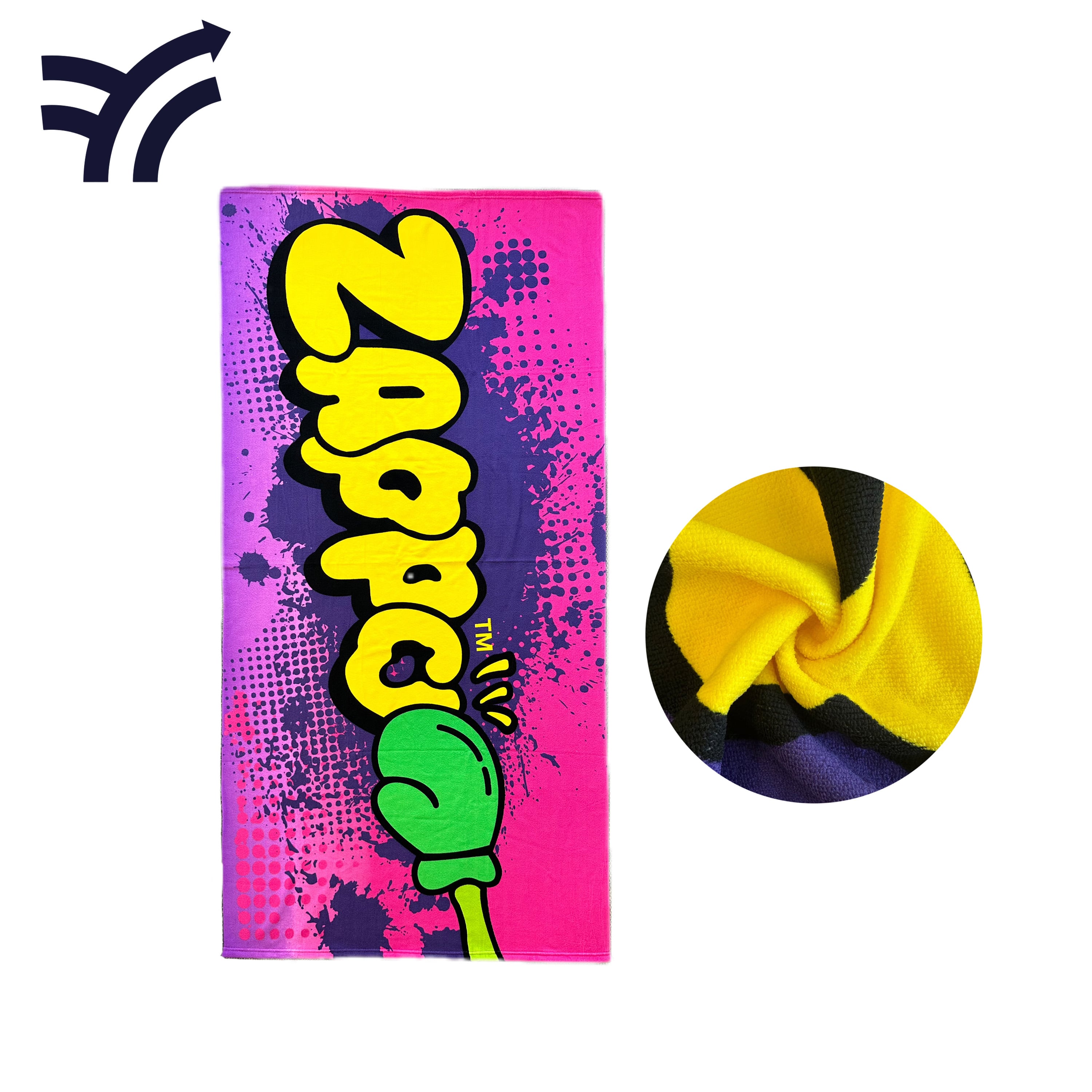
Unlike residential towels that see perhaps one or two uses before washing, hotel and resort beach towels endure an extraordinarily intensive lifecycle. A single towel at a beach resort may be used by multiple guests in a single day, submerged in chlorinated pool water, dragged across sandy surfaces, and subjected to commercial-grade laundering multiple times per week. This level of stress quickly exposes any weaknesses in fabric construction or fiber quality.
The operational stakes are also financial. Hospitality properties that purchase low-grade beach towels may find themselves replacing their entire inventory two or three times per season, whereas premium-material towels can sustain hundreds of wash cycles without significant degradation. When multiplied across an inventory of hundreds or thousands of units, material quality directly translates into measurable return on investment.
Additionally, guests form immediate tactile impressions. The way a beach towel feels against the skin after a swim, how well it absorbs water, and whether it maintains its softness after repeated washing all contribute to overall guest satisfaction scores. This makes material selection a brand and quality management issue, not just a procurement one.
When evaluating materials for hospitality-grade beach towels, procurement professionals typically look at four core performance benchmarks: absorbency, tensile strength, color fastness, and wash durability. Each benchmark corresponds to specific fiber characteristics, and no single material perfectly maximizes all four simultaneously. Understanding the trade-offs is key to making the right selection for your property's specific context.
Absorbency relates to the fiber's surface area and its hydrophilic nature — how readily it draws moisture away from the skin. Tensile strength determines whether the weave and fiber hold together under mechanical stress during commercial washing. Color fastness measures how well dyes bond with the fiber and resist fading under UV exposure, chlorine, and frequent washing. Wash durability encompasses all of these factors together, representing how many cycles the towel sustains before its functional and aesthetic qualities decline below acceptable standards.
Cotton remains one of the most widely used materials in beach towels for hospitality, and for good reason. Its naturally hydrophilic fibers offer strong absorbency, a soft initial hand feel, and broad consumer familiarity. Standard cotton towels are also relatively straightforward to launder, responding well to hot-water washing cycles commonly used in commercial laundry operations to achieve hygiene standards.
However, not all cotton performs equally. Standard cotton fibers tend to shorten and harden with repeated washing, leading to a rougher texture over time. For hotel and resort applications where guest comfort is paramount, the softness degradation of standard cotton can become a quality issue within a single high-volume season. Pilling and lint shedding are also more pronounced in lower-grade cotton beach towels, which affects both perceived quality and laundry efficiency.
Despite these limitations, standard cotton still offers a reasonable price-to-performance ratio for budget-tier properties or venues with less intensive laundering schedules. For properties seeking to balance cost with acceptable performance, standard cotton beach towels can serve adequately if replaced on a predictable seasonal schedule.
Long-staple cotton varieties such as Egyptian and Turkish cotton represent a meaningful upgrade in durability and long-term softness retention. The longer individual fibers in these cotton types create a smoother, more cohesive yarn structure that is inherently stronger and less prone to pilling. When used in beach towels intended for luxury hotel or resort environments, long-staple cotton delivers significantly higher wash-cycle longevity than standard cotton.
Turkish cotton, in particular, is valued for its ability to become softer with each wash rather than rougher — a characteristic highly desirable in hospitality contexts. The tight, long fibers also create a more stable weave structure, meaning the towel retains its shape and pile density even after sustained commercial laundering. For resorts where beach towels are a branded element of the guest experience, the consistent feel and appearance of Turkish cotton provide a tangible competitive advantage.
The trade-off with premium cotton varieties is cost. Long-staple cotton beach towels carry a higher per-unit price, which can be a consideration for large-scale procurement. However, their extended lifespan often makes them more cost-efficient on a cost-per-use basis when accurately accounted for over a full operational season or year.
Microfiber has emerged as one of the most technically advanced materials available for beach towels in demanding hospitality environments. Composed of ultra-fine synthetic fibers — typically a blend of polyester and polyamide — microfiber creates an exceptionally dense fiber network with an enormous surface area relative to its weight. This structure gives microfiber towels outstanding absorbency, often capable of holding several times their own weight in water.
For hotel and resort operations, the weight advantage of microfiber is particularly compelling. beach towels made from microfiber are significantly lighter than their cotton counterparts, which reduces laundry transport weight, lowers energy costs during drying cycles, and makes handling more efficient for housekeeping staff. A lighter towel that dries faster and absorbs more is a meaningful operational asset in high-throughput laundry environments.
Microfiber also demonstrates excellent resistance to mold and bacterial growth when properly cared for, given its quick-drying properties. In the warm, humid conditions typical of beach and pool environments, this resistance to microbial development contributes to both hygiene standards and longer towel lifespan between replacements.
One of the defining durability advantages of microfiber beach towels is their exceptional color retention across hundreds of wash cycles. The synthetic fibers used in microfiber construction bond with certain dye types in ways that create superior color fastness compared to natural fibers. This is especially relevant for resorts and hotels that use branded or distinctively colored beach towels as part of their visual identity, where color consistency across an entire towel fleet must be maintained over time.
In terms of structural integrity, microfiber's woven or knitted construction resists fraying and maintains its functional form even under repeated mechanical washing stress. Unlike cotton terry, which can lose pile density and develop thin patches with excessive use, high-quality microfiber beach towels retain their surface texture and absorbent capacity far longer. This makes them a practical choice for resorts prioritizing both guest experience quality and long-term cost control.
It is worth noting that microfiber performance varies significantly with quality. Lower-density microfiber constructions may not deliver the same durability benchmarks as premium-grade options. Hospitality buyers should evaluate thread count equivalents, fiber denier ratings, and blend ratios when comparing microfiber beach towels from different suppliers.
Many of the most durable beach towels used in hospitality today are not made from a single fiber type but from strategic blends that combine the strengths of multiple materials. Cotton-polyester blends, for example, leverage cotton's natural absorbency and softness alongside polyester's structural durability and shape retention. The result is a towel that feels pleasant to guests while offering better resistance to shrinkage and mechanical wear during commercial laundering.
Cotton-linen blends represent another option used in some upscale coastal resorts, where a textured aesthetic is part of the property's brand positioning. Linen fibers add tensile strength and a naturally antibacterial property, which complements the softness of cotton. While linen-blend beach towels may feel stiffer initially, they typically soften with use and offer excellent longevity under frequent washing and UV exposure conditions.
When evaluating blended beach towels, procurement managers should examine the blend ratio carefully. A towel marketed as a 'cotton blend' may contain only a small percentage of cotton with the majority being a cheaper synthetic filler. For genuine durability and guest comfort, the higher the quality fiber percentage, the better the long-term performance outcome.
Beyond fiber type, the weave or construction method used to produce a beach towel has a profound effect on its durability. Terry weave — characterized by looped pile on one or both sides — is the most common construction in hotel-grade towels because the loops create a thick, absorbent surface and a resilient structure that handles mechanical stress well. A tighter terry loop density generally correlates with greater durability and softer texture retention.
Flat-woven or waffle-weave beach towels offer a different durability profile. Without exposed loops to snag or abrade, flat-weave constructions tend to show less surface wear over time. They also dry faster, which is beneficial both from a hygiene standpoint and for quick turnaround between guest uses. Some resorts favor waffle-weave designs for their contemporary aesthetic combined with practical performance advantages.
Velour-finished beach towels, where the pile loops are sheared to create a smooth velvety surface, are popular in luxury resort contexts for their visual appeal and print quality. However, the shearing process can reduce the absorbency advantage of unsheared terry and may result in slightly faster surface wear. For properties where aesthetics and branding are prioritized, velour offers a good balance, provided the underlying fabric weight and construction are sufficiently premium.
GSM, or grams per square meter, is a critical specification in evaluating beach towels for hospitality use. It measures the fabric's density and weight, and serves as one of the most reliable proxies for durability and quality. Higher GSM values generally indicate a denser, heavier towel with more fiber content — which translates into better absorbency, greater plushness, and longer structural integrity under repeated commercial laundering.
For hotel and resort beach towels, the sweet spot in terms of GSM typically falls between 400 and 600. Towels below 400 GSM tend to be lightweight and quick-drying but may lack the plush feel and wash durability expected in hospitality settings. Towels above 600 GSM, while extremely luxurious, take longer to dry and can be unnecessarily heavy for outdoor beach or pool use environments.
Microfiber beach towels complicate this metric somewhat, as microfiber achieves high functional performance at lower GSM values than cotton due to the density of its fine fibers. A 300 GSM microfiber towel can outperform a 450 GSM standard cotton towel in both absorbency and wash-cycle longevity. This is why GSM should always be evaluated in the context of fiber type when comparing options for hospitality procurement.
Different areas of a hotel or resort property may call for different GSM specifications within their beach towels. High-end beach clubs or premium poolside lounges where guest experience is the primary driver may benefit from 500–600 GSM towels that feel genuinely luxurious. More utilitarian settings such as water sports rental stations or casual pool areas may be better served by 380–450 GSM towels that balance practical performance with operational efficiency.
The key is ensuring that the chosen GSM level aligns with both the guest experience goals and the operational demands of the laundry program. A towel that is too heavy may drive up energy costs in commercial drying while a towel that is too light may need to be replaced more frequently, undermining cost savings. Thoughtful GSM selection helps hospitality operators find the right balance for their specific context and maximize the value of their beach towels investment.
For hospitality environments with intensive laundering schedules, microfiber and long-staple cotton varieties such as Turkish cotton consistently deliver the best durability. Microfiber beach towels offer excellent wash-cycle resistance, fast drying, and strong color retention, while Turkish cotton provides exceptional softness longevity and structural integrity. The best choice depends on your property's specific operational requirements and guest experience priorities.
Premium hospitality-grade beach towels made from high-quality materials should be able to withstand between 150 and 300 commercial wash cycles before showing significant degradation. Microfiber options with proper care may exceed this range. Properties should establish a quality inspection protocol to assess towel condition at regular intervals and replace units that no longer meet visual or functional standards.
GSM is an important indicator but should not be evaluated in isolation. The fiber type, weave construction, and blend ratio all influence the overall quality and durability of beach towels. A high GSM towel made from inferior cotton may underperform a lower GSM microfiber towel in wash durability and absorbency. Hospitality buyers should assess all specifications together rather than relying solely on weight ratings.
Yes, premium-grade microfiber beach towels are increasingly adopted by luxury resorts due to their combination of lightweight portability, fast drying, high absorbency, and excellent color retention. When sourced from quality manufacturers and produced at appropriate fiber densities, microfiber towels can deliver a guest experience comparable to premium cotton while offering significant operational advantages in laundry efficiency and long-term cost management.

 EN
EN


