For sport towel wholesalers seeking to maximize profitability, understanding the precise relationship between product specifications and market demand is crucial. The sports towel industry presents unique opportunities where specific sizes and designs can dramatically impact wholesale margins, customer retention, and market positioning. Successful sport towel wholesalers recognize that profitability extends beyond simple cost calculations to encompass manufacturing efficiency, shipping optimization, and end-user satisfaction across diverse athletic applications.
The profitability equation for sport towel wholesalers involves balancing manufacturing costs, storage efficiency, shipping optimization, and market demand patterns. Different sizes and designs command varying profit margins while serving distinct customer segments from gym chains to athletic clubs, sports retailers to corporate wellness programs. Understanding which specifications deliver the highest return on investment allows sport towel wholesalers to focus resources on the most lucrative product lines while maintaining competitive pricing strategies that sustain long-term business growth.
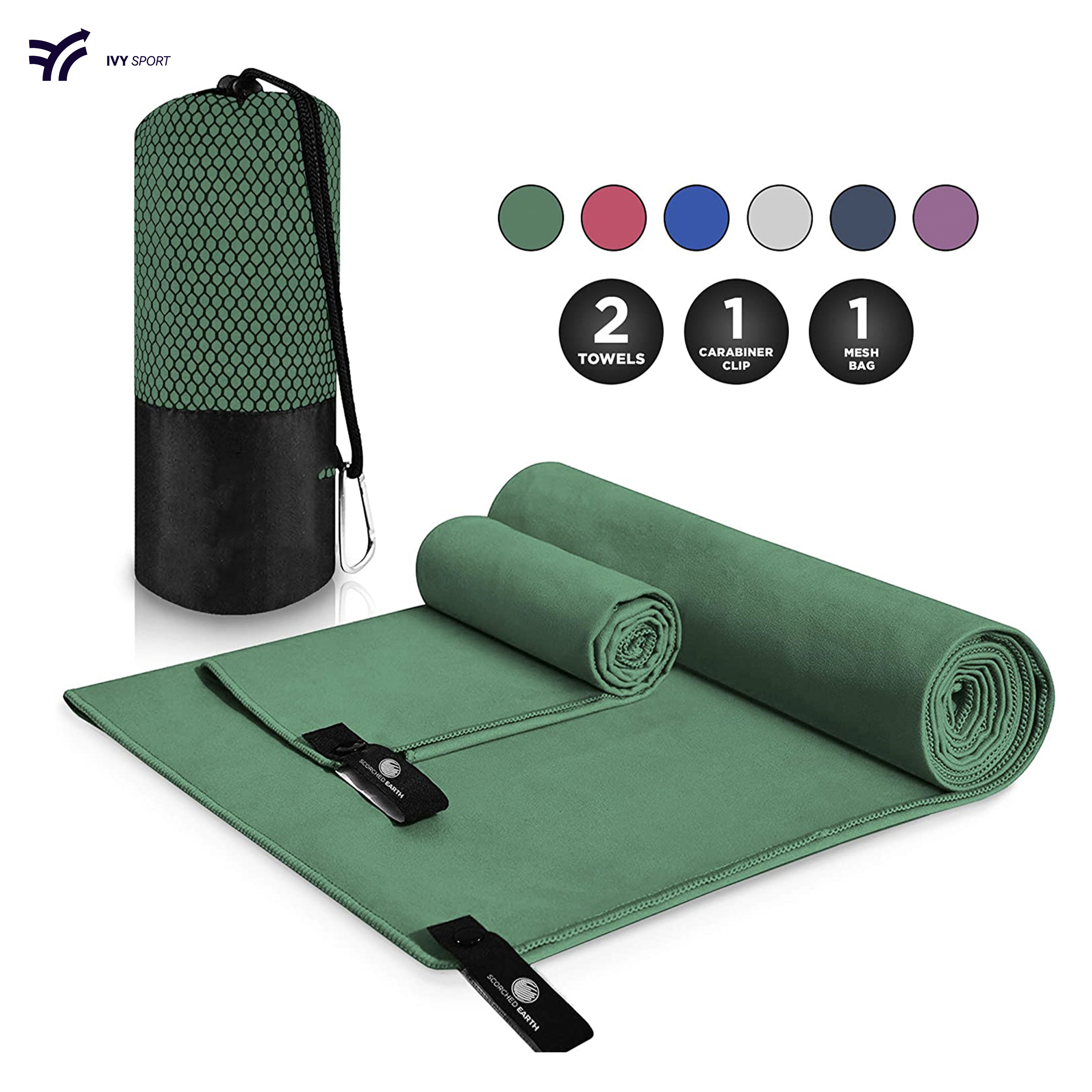
Compact hand towels measuring 12x24 inches represent one of the most profitable categories for sport towel wholesalers due to exceptional packaging density and broad market appeal. These dimensions allow for efficient shipping configurations, with up to 200 units fitting in standard wholesale packaging, significantly reducing per-unit logistics costs. The compact size appeals to fitness centers requiring quick-dry options for equipment cleaning, making them high-volume repeat purchases.
Manufacturing costs for compact sport towels remain low while maintaining quality standards that satisfy commercial athletic environments. Sport towel wholesalers typically achieve 40-60% gross margins on these products when sourcing from efficient suppliers and selling to gym chains or fitness equipment retailers. The size optimization allows for streamlined production processes and minimal material waste during manufacturing.
Storage efficiency becomes a significant profit driver for sport towel wholesalers managing warehouse space. Compact towels require 60% less storage volume compared to full-size alternatives while maintaining comparable unit pricing, allowing wholesalers to increase inventory turnover rates and reduce carrying costs. This efficiency translates directly into improved cash flow and higher annual profit margins.
Standard workout towels in the 16x32 inch range offer sport towel wholesalers an optimal balance between functionality and profitability across multiple customer segments. This size category serves individual athletes, corporate fitness programs, and mid-sized athletic facilities, providing consistent demand patterns that support predictable revenue streams. The dimensions accommodate both face and body use during exercise sessions, increasing perceived value among end users.
Profit margins for standard workout towels typically range from 35-50% for experienced sport towel wholesalers who establish efficient supply chain relationships. The size allows for cost-effective manufacturing while supporting premium pricing for enhanced features like antimicrobial treatments or moisture-wicking properties. Market demand remains stable across seasonal variations, providing reliable income for wholesale operations.
Distribution advantages emerge from the standard size's compatibility with existing retail display systems and customer storage solutions. Sport towel wholesalers find that these dimensions integrate seamlessly into established distribution channels, reducing the need for specialized packaging or handling requirements that can erode profit margins through increased operational complexity.
Quick-dry microfiber constructions command premium pricing for sport towel wholesalers while maintaining reasonable production costs, creating attractive profit opportunities. These performance-enhanced designs typically support 25-40% higher wholesale prices compared to standard cotton alternatives, while manufacturing cost increases remain in the 10-15% range. The value proposition appeals strongly to fitness facilities prioritizing hygiene and operational efficiency.
Antimicrobial treatments and odor-resistance features represent high-margin design elements that sport towel wholesalers can leverage for increased profitability. These treatments add minimal production costs while supporting significant price premiums, particularly when marketing to commercial athletic facilities concerned with hygiene standards. The enhanced functionality creates customer loyalty and reduces price sensitivity.
Moisture-wicking capabilities built into sport towel designs allow wholesalers to target premium market segments while maintaining competitive production costs. Advanced fiber technologies support higher pricing strategies without proportional increases in material costs, enabling sport towel wholesalers to improve margins while serving quality-conscious customers willing to pay for superior performance.
Custom embroidery and logo placement services create additional revenue streams for sport towel wholesalers beyond basic product sales. These value-added services typically generate 60-80% profit margins while strengthening customer relationships through personalized offerings. Corporate clients, athletic teams, and fitness chains frequently request branded options, providing consistent high-margin business opportunities.
Color customization options allow sport towel wholesalers to command premium pricing while utilizing standard manufacturing processes. Offering facility-specific color schemes or team colors creates perceived value that supports higher wholesale prices, often with minimal additional production costs. This approach helps differentiate wholesale offerings in competitive markets.
Private label opportunities enable sport towel wholesalers to develop exclusive product lines for major customers, typically resulting in higher margins and longer-term contracts. These arrangements often include minimum order commitments that provide revenue predictability while allowing for optimized production planning and cost management.
Large-scale fitness facilities require sport towel wholesalers to focus on durability and cost-effectiveness rather than premium features, creating opportunities for high-volume, moderate-margin business relationships. These customers typically purchase towels in the 16x30 to 20x40 inch range, prioritizing consistent quality and reliable supply chains over specialized features. Volume commitments often reach 1,000-5,000 units per order, supporting efficient production runs.
Commercial laundering compatibility becomes crucial for sport towel wholesalers serving fitness facilities, as towels must withstand frequent industrial washing cycles while maintaining appearance and functionality. Designs optimized for commercial laundering typically support 20-30% price premiums while ensuring customer satisfaction and repeat business. This market segment values long-term supplier relationships over lowest-cost options.
Bulk packaging and delivery scheduling preferences of commercial facilities allow sport towel wholesalers to optimize logistics costs and improve overall profitability. Facilities often accept flexible delivery timing in exchange for improved pricing, enabling wholesalers to consolidate shipments and reduce transportation expenses while maintaining competitive pricing structures.
Sports retail partnerships provide sport towel wholesalers with access to consumer markets that support higher unit prices and improved profit margins. Retail-focused sizes typically range from 12x24 inches for travel use to 24x48 inches for full-body applications, with premium design features justifying retail price points that benefit wholesale margins. These partnerships often require consistent quality standards and reliable delivery schedules.
E-commerce distribution channels enable sport towel wholesalers to reach end consumers directly, typically resulting in 2-3x higher unit prices compared to commercial wholesale arrangements. However, these channels require investment in packaging, marketing, and customer service capabilities that must be factored into profitability calculations. Success depends on developing compelling product differentiation and brand positioning.
Seasonal demand patterns in retail markets allow experienced sport towel wholesalers to optimize inventory management and pricing strategies throughout the year. Summer months typically see increased demand for compact, quick-dry designs suitable for outdoor activities, while winter periods favor larger, more absorbent options for indoor fitness activities. Understanding these patterns enables strategic inventory positioning.
Production run optimization allows sport towel wholesalers to achieve significant cost savings by coordinating orders for similar sizes and specifications. Minimum order quantities of 500-1,000 units per specification typically reduce manufacturing costs by 15-25% compared to smaller batch orders. This approach requires careful demand forecasting and inventory management but substantially improves profit margins for established wholesalers.
Material sourcing strategies significantly impact profitability for sport towel wholesalers, with direct relationships to fiber manufacturers often reducing material costs by 10-20%. Microfiber and cotton blend specifications offer optimal balance between performance, cost, and market appeal. Long-term supply agreements provide price stability and preferential treatment during high-demand periods.
Quality control investments prevent costly returns and warranty claims that can erode profit margins for sport towel wholesalers. Implementing systematic quality assurance processes typically adds 2-3% to production costs while preventing 8-12% losses from defective products and customer dissatisfaction. This investment proves essential for maintaining profitable long-term customer relationships.
Warehouse location strategies enable sport towel wholesalers to minimize shipping costs while maintaining rapid delivery capabilities. Regional distribution centers positioned near major metropolitan areas typically reduce average shipping costs by 20-30% while supporting faster delivery times that command premium pricing. These facilities require significant capital investment but improve long-term profitability.
Packaging optimization reduces shipping costs and storage requirements for sport towel wholesalers managing large inventory volumes. Vacuum-compressed packaging can reduce shipping volume by 40-60% for bulk orders, significantly lowering logistics expenses while enabling more competitive pricing. However, this approach requires specialized equipment and may not suit all customer preferences.
Technology integration for inventory management and order processing allows sport towel wholesalers to reduce operational costs while improving customer service. Automated systems typically reduce processing costs by 25-35% while minimizing errors that can result in costly corrections and customer dissatisfaction. These investments support scalable growth and improved profit margins.
Compact hand towels measuring 12x24 inches typically provide the highest profit margins for sport towel wholesalers due to superior packaging efficiency, lower manufacturing costs, and broad market appeal. These dimensions allow for optimal shipping density with up to 200 units per standard package, while maintaining strong demand from fitness facilities and individual customers. Profit margins often reach 40-60% for this size category when properly sourced and marketed.
Performance-based design features like quick-dry microfiber construction and antimicrobial treatments command 25-40% price premiums while adding only 10-15% to manufacturing costs, significantly improving profit margins. Custom branding and embroidery services provide additional revenue streams with 60-80% profit margins. Sport towel wholesalers should focus on features that provide clear value to end users while maintaining reasonable production costs.
Commercial fitness facilities provide stable, high-volume business with moderate margins, while retail partnerships and direct-to-consumer sales offer higher unit prices but require additional investment in marketing and customer service. Sport towel wholesalers often find optimal profitability by balancing both segments, using commercial sales for consistent cash flow while developing retail channels for premium pricing opportunities.
Production run optimization through coordinated orders of 500-1,000 units per specification reduces manufacturing costs by 15-25%, while direct supplier relationships can lower material costs by 10-20%. Sport towel wholesalers should focus on developing long-term supply agreements, implementing quality control systems, and optimizing warehouse locations to minimize shipping costs while maintaining competitive pricing and reliable delivery schedules.

 EN
EN


