Manufacturing customized beach ponchos for wholesale clients requires a comprehensive understanding of client needs, production capabilities, and market demands. Manufacturers who successfully serve wholesale customers in the beach poncho industry must navigate complex customization requests while maintaining cost-effectiveness and production efficiency. The process involves detailed collaboration between manufacturers and wholesale clients to create products that meet specific brand requirements, target market preferences, and quality standards.
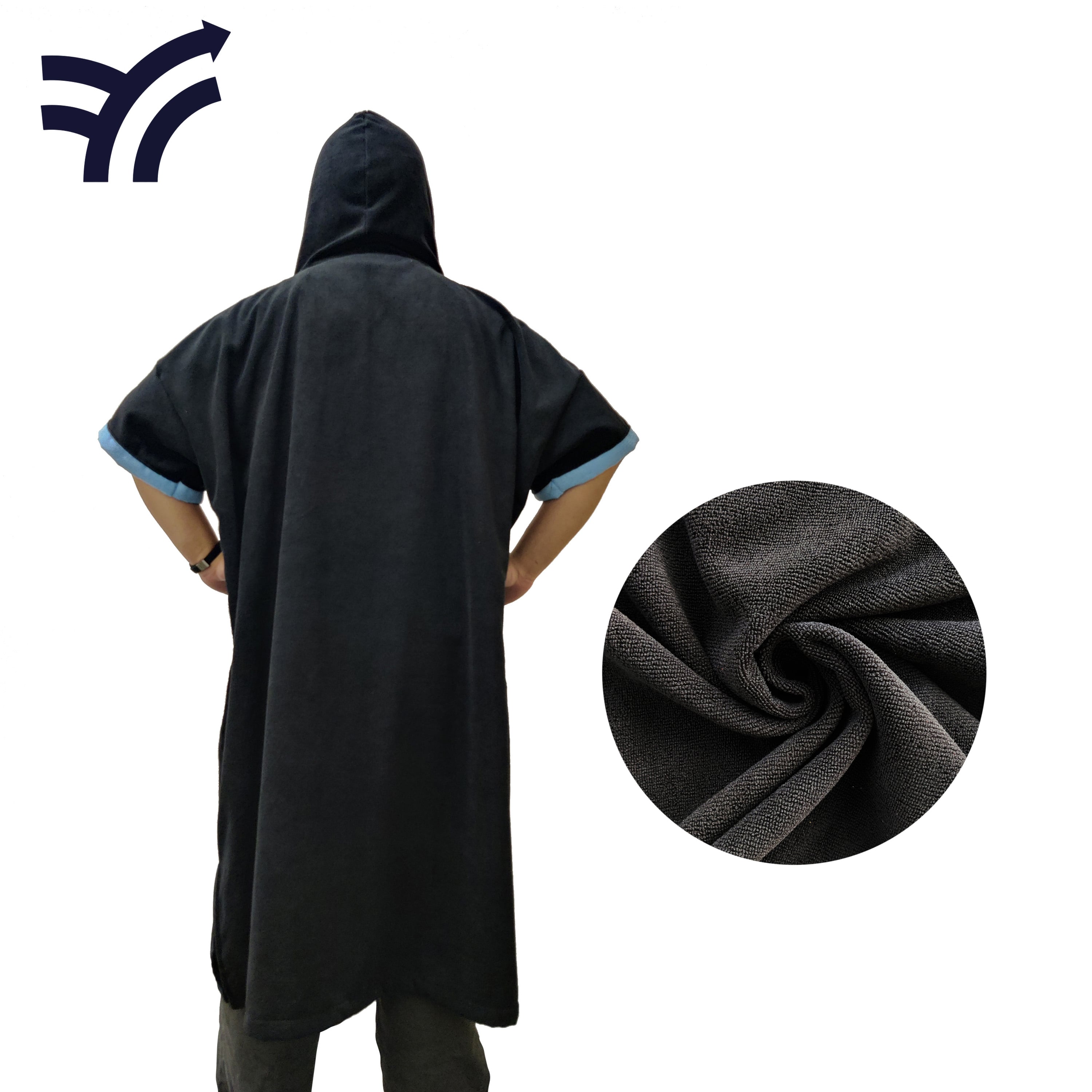
Wholesale customization of beach ponchos extends far beyond simple color changes or logo placement. Modern wholesale clients expect manufacturers to offer comprehensive customization solutions that encompass fabric selection, size variations, design elements, packaging options, and even seasonal adaptations. Successful manufacturers develop systematic approaches to handle multiple customization requests simultaneously while ensuring consistent quality across large production runs. This capability becomes essential when wholesale clients need to differentiate their beach ponchos in competitive retail markets or establish unique brand identities.
Wholesale clients typically approach manufacturers with established brand guidelines that must be seamlessly integrated into beach poncho designs. This process begins with comprehensive brand analysis, where manufacturers review color palettes, logo specifications, typography requirements, and overall aesthetic preferences. Beach ponchos serve as mobile brand ambassadors, making accurate brand representation crucial for wholesale success. Manufacturers must understand how brand elements translate across different fabric types and production techniques to ensure consistent brand expression.
The integration process involves creating detailed design mockups that demonstrate how brand elements will appear on finished beach ponchos. Manufacturers work closely with wholesale clients to refine color matching, logo placement, and design proportions. This collaborative approach ensures that the final beach ponchos accurately represent the client's brand while meeting practical production requirements. Successful brand integration often requires multiple prototype iterations to achieve the desired visual impact and brand consistency.
Effective customization of beach ponchos requires manufacturers to understand the wholesale client's target market demographics, preferences, and usage patterns. Different markets demand varying approaches to design, functionality, and price points. For instance, beach ponchos designed for luxury resort markets require premium materials and sophisticated design elements, while products targeting family-oriented beach destinations might prioritize durability and practical features. Manufacturers must adapt their customization capabilities to serve diverse market segments effectively.
Market analysis influences every aspect of beach ponchos customization, from fabric selection to sizing options. Manufacturers conduct market research alongside wholesale clients to identify trends, seasonal preferences, and regional variations that impact product design. This collaborative market analysis ensures that customized beach ponchos resonate with end consumers while meeting wholesale clients' business objectives. Understanding target market preferences enables manufacturers to suggest design modifications that enhance market appeal and commercial success.
The foundation of beach poncho customization lies in fabric selection and material adaptation. Manufacturers offer wholesale clients access to extensive fabric libraries that include various cotton blends, microfiber options, quick-dry materials, and eco-friendly alternatives. Each fabric type provides different benefits regarding absorbency, drying time, texture, and durability. Wholesale clients often require specific performance characteristics that align with their brand positioning and target market expectations. Manufacturers must maintain expertise across multiple fabric types to provide comprehensive customization options.
Material customization extends beyond basic fabric selection to include weight variations, texture modifications, and special treatments. Some wholesale clients request beach ponchos with enhanced UV protection, antimicrobial treatments, or specialized finishing techniques that improve durability. Manufacturers develop relationships with fabric suppliers to ensure consistent availability of customization materials while maintaining quality standards. This supply chain management becomes crucial when producing large wholesale orders that require uniform material characteristics across entire production runs.
Design customization for beach ponchos encompasses pattern creation, color application, and decorative element integration. Manufacturers employ various techniques including screen printing, digital printing, embroidery, and heat transfer applications to achieve desired design effects. Each technique offers different advantages regarding durability, color vibrancy, and cost-effectiveness. Wholesale clients work with manufacturers to select appropriate design application methods based on their budget constraints, quality requirements, and intended usage patterns for the beach ponchos.
Pattern customization involves creating unique designs that reflect wholesale clients' brand aesthetics while considering production limitations and cost implications. Manufacturers maintain design teams that collaborate with clients to develop original patterns, adapt existing designs, or create seasonal variations. The design process includes color separation, pattern scaling, and production testing to ensure that custom designs translate effectively onto beach ponchos. This comprehensive approach to design customization enables wholesale clients to offer distinctive products that stand out in competitive markets.
Managing custom beach poncho production for wholesale clients requires sophisticated order planning and timeline coordination systems. Manufacturers must balance multiple custom orders with varying specifications, deadlines, and volume requirements. The planning process begins with detailed order analysis that identifies material requirements, production sequences, and quality control checkpoints. Effective planning ensures that custom beach ponchos meet wholesale client deadlines while maintaining production efficiency across the manufacturing facility.
Timeline coordination involves creating detailed production schedules that account for material sourcing, design preparation, production setup, and quality testing phases. Manufacturers communicate regularly with wholesale clients to provide production updates and address any modifications or concerns that arise during manufacturing. This transparent communication approach builds trust and enables proactive problem-solving when unexpected challenges occur. Successful timeline management often determines whether wholesale clients achieve their market launch objectives and seasonal sales targets.
Quality control for custom beach ponchos requires comprehensive testing and inspection procedures that ensure consistent results across large wholesale production runs. Manufacturers implement multi-stage quality control systems that monitor material quality, design application accuracy, construction integrity, and finishing standards. Each production phase includes specific checkpoints that verify compliance with wholesale client specifications and industry quality standards. This systematic approach prevents quality variations that could damage wholesale client relationships or result in costly product recalls.
Consistency maintenance becomes particularly challenging when producing beach ponchos with complex customization requirements or multiple design variations. Manufacturers develop standardized procedures for handling custom specifications while training production staff to recognize and address quality deviations promptly. Regular quality audits and statistical process control methods help maintain consistent quality levels throughout extended production runs. This commitment to quality consistency enables wholesale clients to confidently represent the beach ponchos to their retail partners and end customers.
Modern manufacturers leverage advanced digital design systems to streamline beach poncho customization processes and improve collaboration with wholesale clients. Computer-aided design software enables rapid creation of design mockups, pattern modifications, and color variations that help clients visualize final products before production begins. Digital prototyping reduces development time and costs while enabling more accurate customization decisions. These technological capabilities become essential when working with wholesale clients who require quick turnaround times or frequent design iterations.
Digital design systems also facilitate remote collaboration between manufacturers and wholesale clients located in different geographic regions. Cloud-based design platforms enable real-time design reviews, modification requests, and approval processes that accelerate project timelines. Manufacturers invest in sophisticated design software and staff training to maintain competitive advantages in serving demanding wholesale clients. This technological infrastructure supports complex customization projects while maintaining design accuracy and production efficiency.
Production automation technologies enable manufacturers to handle larger volumes of custom beach ponchos while maintaining competitive pricing for wholesale clients. Automated cutting systems, digital printing equipment, and computerized embroidery machines increase production efficiency and reduce labor costs associated with customization. These technological investments allow manufacturers to offer competitive pricing on custom beach ponchos while maintaining quality standards and delivery schedules that meet wholesale client expectations.
Scalability becomes crucial when wholesale clients experience rapid growth or seasonal demand fluctuations for their beach ponchos. Manufacturers develop flexible production systems that can accommodate varying order volumes without compromising quality or efficiency. This scalability often involves partnerships with specialized suppliers, investment in modular production equipment, and development of efficient workflow management systems. Successful scalability management enables manufacturers to grow alongside their wholesale clients while maintaining profitable operations.
Effective customization of beach ponchos for wholesale clients depends on robust supply chain management and strategic supplier relationships. Manufacturers must maintain reliable access to diverse materials, specialized components, and customization supplies that enable comprehensive service offerings. This requires developing partnerships with fabric suppliers, trim manufacturers, printing suppliers, and packaging providers who can support custom requirements while maintaining quality standards. Strong supplier relationships become essential when wholesale clients request unique materials or specialized customization features.
Material sourcing strategies must account for seasonal demand patterns, global supply chain disruptions, and quality consistency requirements across different suppliers. Manufacturers often maintain strategic inventory levels of key materials to ensure production continuity for important wholesale clients. This inventory management approach requires careful balance between carrying costs and service level objectives. Successful material sourcing enables manufacturers to offer competitive lead times and pricing while maintaining the flexibility needed to serve diverse wholesale client requirements.
Many wholesale clients require global manufacturing capabilities to serve international markets or achieve specific cost objectives for their beach ponchos. Manufacturers must coordinate production across multiple facilities while maintaining consistent quality and customization standards. This global coordination requires sophisticated project management systems, quality control protocols, and logistics planning capabilities. International manufacturing also involves navigating different regulatory requirements, labor standards, and cultural considerations that impact production planning and execution.
Logistics coordination becomes complex when managing custom beach poncho shipments to multiple wholesale client locations or direct-to-consumer fulfillment centers. Manufacturers develop partnerships with international logistics providers who understand the unique requirements of textile shipping, customs processing, and destination country regulations. This logistics expertise ensures that custom beach ponchos reach wholesale clients on schedule while meeting all regulatory requirements. Effective logistics coordination often determines overall project success and client satisfaction levels.
Most manufacturers set minimum order quantities between 500 to 1,000 pieces for custom beach ponchos, depending on the complexity of customization requirements. Simple customizations like basic embroidery or single-color printing may have lower minimums, while complex multi-color designs or specialized materials typically require higher order volumes to achieve cost-effectiveness. Manufacturers balance setup costs against production efficiency to establish minimum quantities that serve both their operational requirements and wholesale client budget considerations.
The complete customization and production timeline for beach ponchos typically ranges from 3 to 8 weeks, depending on design complexity, material availability, and order volume. Initial design development and sampling usually require 1-2 weeks, followed by 2-6 weeks for production depending on customization requirements and manufacturer capacity. Rush orders may be accommodated with expedited timelines, though this often involves additional costs and may limit available customization options.
High-value customization options for beach ponchos include premium fabric selections, unique pattern designs, functional enhancements like built-in pockets or hood designs, and eco-friendly material choices that align with sustainability trends. Brand integration through sophisticated printing or embroidery techniques also adds significant value by enabling wholesale clients to build brand recognition and customer loyalty. Packaging customization and size variety options further enhance value by supporting diverse market segments and retail presentation requirements.
Manufacturers implement comprehensive quality control systems that include incoming material inspection, in-process monitoring at key production stages, and final product auditing before shipment. Statistical process control methods track quality metrics throughout production to identify and correct variations promptly. Many manufacturers also provide pre-production samples and maintain detailed quality specifications that serve as reference standards throughout the production process. Regular communication with wholesale clients during production ensures that any quality concerns are addressed immediately.

 EN
EN


