When B2B clients evaluate sport towels for their fitness centers, athletic facilities, or wellness businesses, they face a complex decision that extends far beyond simple cost considerations. The selection process involves analyzing multiple performance dimensions that directly impact member satisfaction, operational efficiency, and long-term business success. Understanding these evaluation criteria helps suppliers better position their sport towels while enabling buyers to make informed decisions that align with their facility's specific needs and customer expectations.
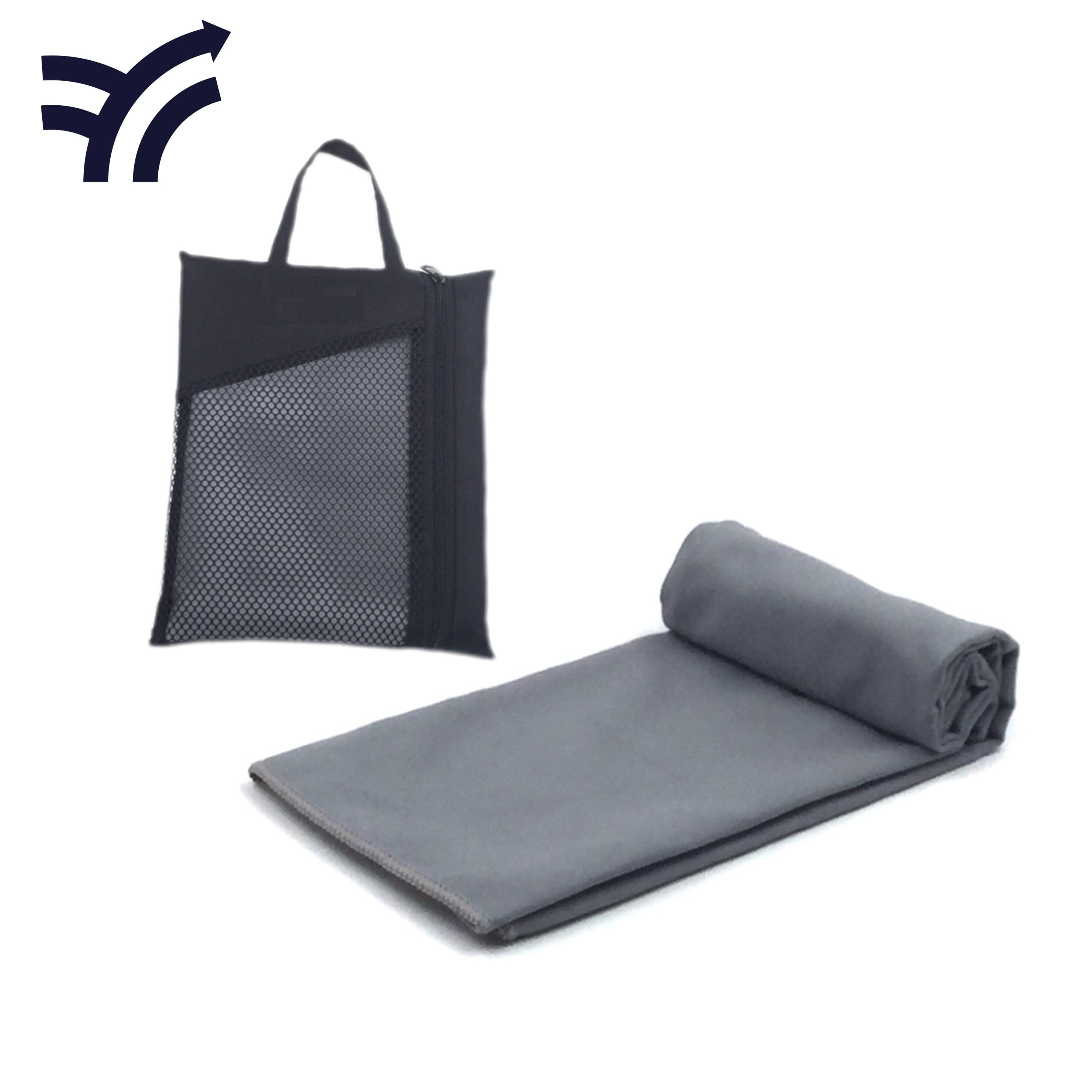
The decision matrix for B2B sport towel procurement typically encompasses material quality, durability under commercial washing conditions, absorbency performance, size specifications, and total cost of ownership. These factors collectively determine whether sport towels will enhance the customer experience while maintaining operational sustainability. For facility managers and purchasing decision-makers, the selection process requires balancing immediate budgetary constraints with long-term performance expectations and brand reputation protection.
The fundamental material composition of sport towels represents the primary concern for B2B buyers who must ensure consistent performance across thousands of usage cycles. Cotton-based sport towels offer natural absorbency and familiar feel, but synthetic blends and microfiber alternatives provide enhanced moisture-wicking properties and faster drying times. Facilities serving high-volume fitness activities typically prioritize sport towels with superior absorption rates that can handle intense perspiration without becoming oversaturated during use.
Microfiber sport towels have gained significant traction in commercial environments due to their ability to absorb several times their weight in moisture while maintaining compact size and quick-drying characteristics. The synthetic construction allows these sport towels to resist bacterial growth more effectively than traditional cotton alternatives, addressing hygiene concerns that are paramount in shared fitness environments. B2B clients often conduct absorption testing to verify that sport towels meet their facility's specific moisture management requirements.
The tactile experience provided by sport towels directly influences member satisfaction and retention rates, making texture evaluation a critical factor in B2B decision-making. Gym members and athletes develop strong preferences for towel softness, thickness, and surface texture that affects their comfort during and after workouts. Sport towels that feel too rough or thin can create negative impressions that reflect poorly on the facility's attention to member experience and quality standards.
Commercial buyers frequently request samples to conduct member feedback sessions before making large-scale sport towel purchases. The balance between durability and comfort becomes especially challenging when sport towels must withstand aggressive commercial laundering while retaining their original softness and pleasant feel. Premium microfiber formulations offer solutions that maintain user-friendly characteristics throughout extended commercial use cycles.
Commercial laundry operations subject sport towels to significantly more aggressive conditions than residential washing, requiring materials that can withstand high temperatures, strong detergents, and frequent bleaching without degradation. B2B clients evaluate sport towels based on their ability to maintain structural integrity and appearance quality after hundreds of wash cycles. Facilities typically process sport towels daily or multiple times per day, making durability a direct operational cost factor.
Color fastness represents another crucial durability consideration, as sport towels that fade or bleed colors during washing can compromise the professional appearance of a facility. Many B2B buyers specify minimum wash cycle guarantees from suppliers, requiring sport towels to maintain acceptable appearance and performance standards for predetermined periods. The investment in higher-quality sport towels often proves cost-effective when calculated against replacement frequency and labor costs associated with frequent inventory turnover.
The construction details of sport towels significantly impact their commercial lifespan and professional appearance throughout extended use. Reinforced edges, quality hemming, and secure stitching prevent fraying and unraveling that can create unprofessional appearances in customer-facing environments. B2B clients examine construction specifications carefully, as poorly finished sport towels may require premature replacement despite adequate material quality.
Double-stitched seams and reinforced corner construction extend the useful life of sport towels under heavy commercial use, reducing the total cost of ownership despite higher initial investment. Facilities serving demanding athletic activities often specify military-grade construction standards for their sport towels to ensure they can withstand the rigorous use patterns typical in competitive training environments.
B2B clients must carefully consider sport towel dimensions to ensure they meet the diverse needs of their facility users while optimizing storage and laundering efficiency. Standard gym towels typically measure between 16x24 inches and 20x40 inches, but specific applications may require customized sizing. Yoga studios might prefer larger sport towels for full-body coverage during floor exercises, while boxing gyms may favor smaller, more portable options for quick perspiration management.
The relationship between towel size and storage space becomes critical in high-volume facilities where hundreds of sport towels must be stored, accessed, and distributed efficiently. Larger sport towels provide enhanced functionality but consume more storage space and require greater laundering capacity. Many B2B buyers conduct space utilization studies to determine optimal towel sizing that balances user satisfaction with operational efficiency.
Sport towel weight affects both user convenience and operational logistics, influencing B2B purchasing decisions across multiple dimensions. Heavy towels may provide luxurious feel and superior absorbency but create challenges for members who carry them during workouts or travel to off-site training locations. Conversely, lightweight sport towels offer portability advantages but may sacrifice durability or absorption capacity.
Facilities serving traveling athletes or offering mobile training services often prioritize compact, lightweight sport towels that members can easily transport without burden. The weight specification directly impacts shipping costs for large orders and affects the efficiency of laundry operations where staff must handle hundreds of sport towels daily. Optimal weight selection requires balancing performance expectations with practical handling considerations.
Maintaining hygienic conditions represents a fundamental responsibility for fitness facilities, making antimicrobial properties a significant factor in sport towel selection. B2B clients increasingly seek sport towels with built-in antimicrobial treatments or materials that naturally resist bacterial growth and odor development. The high-moisture, high-use environment of fitness facilities creates ideal conditions for bacterial proliferation, making odor control essential for maintaining pleasant facility atmospheres.
Silver ion treatments, copper-infused fibers, and specialized synthetic materials offer various approaches to antimicrobial protection in sport towels. These technologies help maintain freshness between washing cycles and reduce the risk of cross-contamination between users. Facilities with limited laundering frequency or high-intensity use patterns often justify premium pricing for sport towels with enhanced antimicrobial properties.
The drying speed of sport towels affects both user experience and operational efficiency, influencing B2B procurement decisions across multiple facility types. Rapid moisture evaporation reduces the weight and bulk of used towels while minimizing bacterial growth opportunities. Sport towels that retain moisture for extended periods can create unpleasant experiences for subsequent users and increase the risk of hygiene issues.
Microfiber and synthetic blend sport towels typically offer superior quick-dry performance compared to traditional cotton alternatives, making them attractive options for high-turnover facilities. The faster drying characteristics also improve laundering efficiency by reducing drying time and energy costs. B2B clients often evaluate drying speed through controlled testing to ensure sport towels meet their operational timeline requirements.
B2B sport towel procurement requires sophisticated cost analysis that extends beyond initial purchase price to encompass total ownership expenses over the product lifecycle. Higher-quality sport towels with premium materials and construction typically command elevated upfront costs but may provide superior value through extended useful life, reduced replacement frequency, and lower operational costs. Facility managers must evaluate these trade-offs based on their specific usage patterns and budget constraints.
The calculation of total cost of ownership includes purchase price, laundering costs, replacement frequency, labor costs for inventory management, and the potential impact on member satisfaction and retention. Sport towels that require frequent replacement due to poor durability can create unexpected budget pressures and operational disruptions. Many B2B buyers establish minimum performance standards and request lifecycle cost projections from suppliers to support informed decision-making.
Large-scale sport towel purchases typically involve complex pricing structures that reward volume commitments while providing supply chain stability for both buyers and suppliers. B2B clients often negotiate long-term contracts that secure favorable pricing in exchange for predictable order volumes and payment terms. These arrangements can significantly reduce per-unit costs while ensuring consistent sport towel availability for facility operations.
Contract terms frequently include performance guarantees, replacement warranties, and customization options such as logo embroidery or specific color requirements. The negotiation process allows B2B clients to align sport towel specifications with their operational needs while achieving cost-effective procurement. Many facilities find that strategic supplier partnerships for sport towels create mutual benefits through improved service levels and competitive pricing.
Commercial-grade sport towels typically last between 100 to 300 wash cycles depending on material quality, construction specifications, and washing conditions. High-quality microfiber sport towels often exceed 200 cycles while maintaining acceptable performance, whereas budget cotton alternatives may show significant wear after 75-100 cycles. Facilities with aggressive laundering protocols or heavy usage patterns should expect shorter lifespans and plan replacement schedules accordingly.
Antimicrobial treatments typically increase sport towel costs by 15-30% but provide significant hygiene benefits and may extend useful life by reducing bacterial degradation. Silver ion and copper-infused treatments offer durable protection that maintains effectiveness through multiple wash cycles, while surface treatments may require more frequent reapplication. The investment often proves worthwhile for facilities prioritizing hygiene or operating in humid environments where bacterial growth is accelerated.
Standard gym towels measuring 16x32 inches provide optimal balance for most fitness applications, while yoga studios benefit from larger 24x48 inch sport towels for floor exercise coverage. Boxing and martial arts facilities often prefer compact 14x24 inch options for quick perspiration management during intense training. Pool and aquatic facilities typically require larger, highly absorbent sport towels in the 20x40 inch range to handle wet conditions effectively.
Color selection impacts both aesthetic appeal and operational efficiency, with darker colors typically hiding stains better and maintaining professional appearance longer. Many facilities choose colors that complement their branding while considering practical factors such as bleach compatibility and fade resistance. White and light gray sport towels show cleanliness effectively but require more intensive maintenance, while navy, charcoal, and burgundy options offer excellent stain concealment with professional appearance.

 EN
EN


