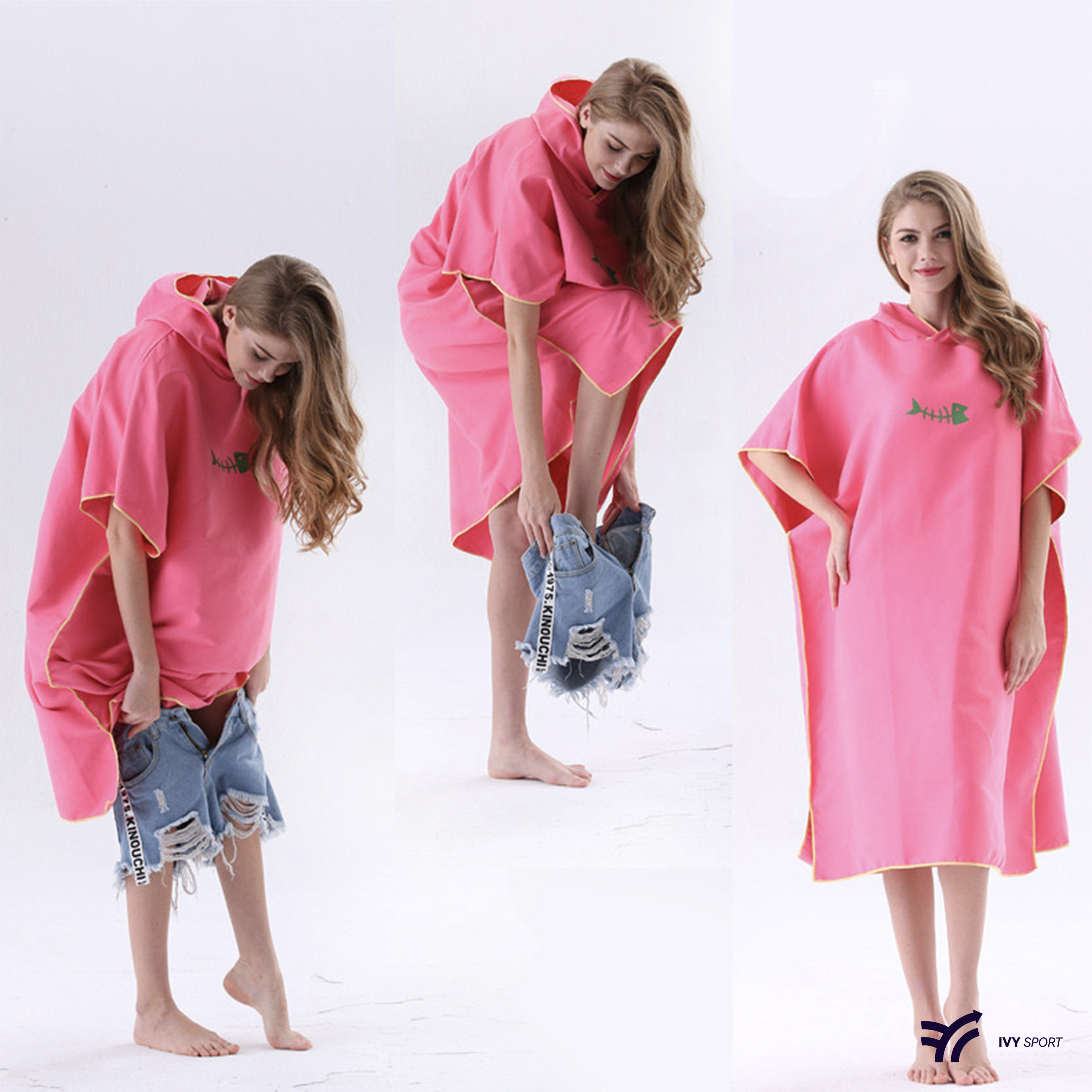
Retailers face constant pressure to stock products that satisfy customers while maintaining healthy profit margins, and beach towels present a particularly complex purchasing challenge. The global beach towel market encompasses everything from budget-friendly terry cloth options to premium microfiber variants, making it essential for retailers to understand the key factors that drive both consumer satisfaction and long-term value. Successfully balancing price and performance in beach towels requires a systematic approach that considers material quality, manufacturing standards, customer expectations, and competitive positioning within your specific market segment.
The decision-making process for selecting beach towels extends beyond simple cost comparisons, encompassing durability testing, absorption performance, color retention, and customer usage patterns. Retailers who master this balance often discover that mid-range beach towels with carefully evaluated performance characteristics can outperform both cheap alternatives that generate returns and expensive options that price out potential customers. Understanding the relationship between material composition, manufacturing quality, and real-world performance becomes crucial for making informed purchasing decisions that support both customer satisfaction and business profitability.

Beach towels utilize various fiber compositions that directly impact their performance characteristics, with cotton, microfiber, and cotton-polyester blends representing the most common options in retail environments. Pure cotton beach towels typically offer superior absorption capacity and natural softness, but require careful evaluation of cotton grade and weave density to ensure adequate durability. Turkish cotton and Egyptian cotton varieties command premium prices but deliver exceptional performance in absorption, quick-drying properties, and longevity when properly manufactured.
Microfiber beach towels present compelling performance advantages including rapid drying times, compact storage capabilities, and consistent performance across multiple wash cycles. These synthetic options often appeal to retailers seeking products that balance functionality with competitive pricing, though consumer preference varies significantly based on demographic and regional factors. Cotton-polyester blends attempt to combine the natural feel of cotton with enhanced durability and color retention properties, though performance varies considerably based on blend ratios and manufacturing quality.
Weight measurement serves as a critical performance indicator, with beach towels typically ranging from 300 to 700 GSM (grams per square meter). Higher GSM values generally correlate with increased absorption capacity and perceived quality, but also result in higher manufacturing costs and slower drying times. Retailers must evaluate whether their customer base prioritizes maximum absorption or values quick-drying convenience, as this preference significantly influences optimal GSM selection for inventory planning.
Absorption capacity testing reveals significant performance variations among beach towels at similar price points, making systematic evaluation essential for retailers. Standard absorption tests measure how quickly towels reach saturation and their total moisture retention capacity, with high-performing beach towels typically absorbing 3-5 times their dry weight in water. This performance metric directly correlates with customer satisfaction, as inadequate absorption leads to negative reviews and potential returns.
Drying time performance becomes increasingly important as consumers seek beach towels that dry quickly between uses, preventing mildew development and maintaining freshness. Laboratory testing demonstrates that fiber type, weave structure, and thickness all influence drying rates, with microfiber options typically drying 2-3 times faster than traditional cotton alternatives. Retailers serving customers who frequently travel or engage in multiple beach activities should prioritize towels with proven quick-drying characteristics.
Sand resistance represents another crucial performance factor that significantly impacts user experience with beach towels. Tightly woven fabrics with smooth surface textures typically resist sand adhesion more effectively than loosely woven or highly textured alternatives. This performance characteristic often justifies premium pricing for beachgoers who prioritize convenience and cleanliness during beach activities.
Understanding the cost structure behind beach towels enables retailers to identify products that offer genuine value rather than simply low prices. Raw material costs typically represent 40-60% of total manufacturing expenses, with cotton prices fluctuating based on global supply conditions and quality grades. Premium materials like organic cotton or specialty synthetic fibers command higher raw material costs but may justify premium retail pricing through enhanced performance and environmental appeal.
Manufacturing complexity significantly influences production costs, with features like reinforced edges, custom sizing, integrated carry bags, or specialized weaving patterns adding 15-30% to base production costs. Retailers must evaluate whether these enhanced features align with customer preferences and justify increased wholesale prices. Simple construction beach towels may offer attractive margins but could underperform in durability testing or customer satisfaction metrics.
Labor costs vary dramatically based on manufacturing location and production standards, with facilities maintaining higher quality control standards typically commanding premium pricing. Retailers focused on consistent product quality should evaluate suppliers based on manufacturing practices rather than solely on unit costs, as quality variations can generate significant customer service expenses and brand reputation risks over time.
International sourcing of beach towels introduces additional cost factors that retailers must incorporate into their pricing analysis. Shipping costs depend heavily on towel weight and packaging efficiency, with lightweight microfiber options offering significant advantages in freight expenses compared to heavy cotton alternatives. Container optimization becomes crucial for maintaining competitive landed costs, particularly when sourcing from distant manufacturing regions.
Import duties and compliance requirements add complexity to cost calculations, with textile classifications and country of origin significantly impacting total landed costs. Retailers should factor these expenses into their price-performance evaluations, as seemingly attractive wholesale prices may become uncompetitive after including all import-related expenses. Working with experienced import specialists can help identify cost-effective sourcing strategies that maintain quality standards.
Inventory carrying costs and seasonal demand patterns influence the optimal balance between price and performance for beach towels. Products with longer shelf life and consistent year-round demand may justify slightly higher acquisition costs, while seasonal-specific items require careful evaluation of turnover rates and storage expenses. Retailers should consider these factors when comparing options with different durability and performance characteristics.
Different customer segments exhibit distinct preferences regarding beach towel performance characteristics, requiring retailers to align product selection with their primary demographic profiles. Families with children typically prioritize durability and easy cleaning over premium materials, making mid-range cotton-blend beach towels attractive options that balance performance with family-friendly pricing. These customers often value size options and color retention properties that withstand frequent washing and active use.
Young adults and frequent travelers increasingly favor compact, quick-drying beach towels that prioritize convenience over traditional luxury characteristics. Microfiber options with integrated storage solutions appeal to this demographic, even at premium price points, because the performance benefits align with their usage patterns. Retailers targeting this segment can often command higher margins on products that deliver specific performance advantages rather than competing solely on price.
Luxury-focused customers seek beach towels that combine premium materials with exceptional performance, viewing these products as long-term investments rather than disposable items. This segment typically accepts higher prices for demonstrably superior absorption, softness, and durability characteristics. Understanding these preference patterns enables retailers to select beach towels that match customer expectations with appropriate pricing strategies.
Regional climate conditions significantly influence optimal beach towel performance characteristics and acceptable price points. Humid coastal environments may increase customer preference for quick-drying microfiber options, while dry inland beach areas might favor traditional cotton towels with maximum absorption capacity. Retailers should evaluate their local market conditions when balancing performance priorities against cost considerations.
Seasonal purchasing patterns affect the price-performance balance equation, with peak season sales often supporting premium pricing for high-performance beach towels. Off-season inventory strategies may favor cost-effective options that maintain acceptable margins during promotional periods. Understanding these cyclical patterns helps retailers optimize their product mix throughout the year while maintaining consistent profitability.
Competition analysis within local markets reveals price sensitivity levels and performance expectations that influence optimal product selection. Markets with established premium beach towel retailers may require superior performance characteristics to justify competitive pricing, while underserved markets might accept lower performance in exchange for attractive value positioning. This competitive landscape analysis should inform both product selection and pricing strategies.
Implementing systematic supplier evaluation processes ensures that beach towels deliver promised performance characteristics while maintaining cost-effectiveness. Quality certification standards like OEKO-TEX provide valuable indicators of manufacturing consistency and safety compliance, though retailers should supplement these certifications with performance-specific testing protocols. Supplier audits focusing on quality control procedures, equipment maintenance, and raw material sourcing help identify partners capable of consistent performance delivery.
Sample testing programs enable retailers to evaluate actual performance before committing to large orders, reducing risks associated with balancing price and performance expectations. Systematic testing should include absorption rate measurements, drying time evaluations, and durability assessments under simulated usage conditions. These testing protocols help identify beach towels that offer genuine performance advantages rather than relying solely on supplier claims or price comparisons.
Long-term supplier relationship development often yields better price-performance balance than constantly switching between low-cost alternatives. Established suppliers with proven track records may offer volume pricing advantages while maintaining consistent quality standards. These relationships enable collaborative improvement efforts that can enhance performance characteristics without proportional cost increases over time.
Customer feedback analysis provides crucial insights into real-world performance that may not emerge from laboratory testing alone. Systematic review monitoring helps identify performance issues or unexpected advantages that influence the optimal price-performance balance for specific beach towel options. This feedback loop enables continuous improvement in product selection criteria and customer satisfaction optimization.
Return rate analysis by product category reveals which beach towels successfully balance customer expectations with pricing, while high return rates often indicate performance shortfalls that undermine apparent cost advantages. Tracking return reasons helps retailers identify specific performance characteristics that customers prioritize, informing future purchasing decisions and product positioning strategies.
Warranty and durability tracking provide long-term validation of initial price-performance assessments. Beach towels that maintain performance characteristics through extended use justify higher initial costs through reduced replacement frequency and enhanced customer loyalty. This data helps refine evaluation criteria for future purchasing decisions and supports premium pricing for demonstrably superior products.
Successful retailers typically maintain diversified beach towel portfolios that serve different price-performance segments rather than focusing exclusively on single optimization points. Entry-level options satisfy price-conscious customers while maintaining acceptable quality standards, mid-range selections offer balanced performance at competitive prices, and premium alternatives serve customers prioritizing maximum performance. This segmentation approach maximizes market coverage while optimizing margins across different customer groups.
Seasonal portfolio adjustments allow retailers to optimize their price-performance balance based on changing market conditions and customer priorities. Peak season inventory might emphasize higher-performance beach towels that justify premium pricing, while off-season selections could focus on value-oriented options that maintain attractive margins during promotional periods. This dynamic approach ensures optimal inventory utilization throughout varying market conditions.
Cross-merchandising strategies can enhance the perceived value of mid-range beach towels by bundling them with complementary products or offering volume discounts that improve overall transaction profitability. These approaches help customers perceive better value in balanced price-performance options rather than gravitating toward extreme low-cost or premium alternatives exclusively.
Strategic vendor partnerships enable retailers to optimize price-performance balance through collaborative product development and volume purchasing advantages. Working closely with manufacturers to specify optimal material combinations, construction techniques, and performance characteristics can yield custom beach towels that outperform standard market offerings at competitive costs. These partnerships often provide exclusive access to innovative materials or manufacturing techniques that enhance competitive positioning.
Volume commitment strategies can significantly improve pricing on high-performance beach towels while ensuring consistent supply availability during peak demand periods. Retailers willing to commit to minimum order quantities or extended purchasing agreements often secure preferential pricing that enables competitive retail pricing on superior-performance products. These arrangements require careful demand forecasting but can substantially improve margins on quality products.
Payment term negotiations and inventory financing arrangements can improve the effective cost structure for premium beach towels, making high-performance options more accessible within retail budgets. Extended payment terms or consignment arrangements reduce the financial risk associated with stocking premium inventory while enabling access to products that command higher margins and customer satisfaction ratings.
The most critical performance factors include absorption capacity (measured in GSM), drying time, sand resistance, color retention after washing, and overall durability through multiple use cycles. Retailers should prioritize these factors based on their customer demographics, with families emphasizing durability and frequent travelers valuing quick-drying properties. Material composition directly impacts these performance characteristics, with cotton offering superior absorption and microfiber providing faster drying times.
Optimal pricing requires analyzing local market conditions, competitor positioning, customer feedback, and total cost of ownership including returns and replacements. Retailers should test different price points for similar performance levels while monitoring sales velocity, profit margins, and customer satisfaction metrics. Generally, mid-range beach towels priced 20-40% above basic options can justify premium pricing through demonstrable performance advantages while remaining accessible to mainstream customers.
Effective testing includes absorption rate measurement using standardized water volumes, drying time evaluation under controlled conditions, sand adhesion testing with actual beach sand, and wash durability assessment through multiple cleaning cycles. Retailers should request samples for independent testing and consider third-party laboratory verification for high-volume purchases. Color fastness testing and fabric strength evaluation help predict long-term performance that affects customer satisfaction and return rates.
Seasonal demand patterns significantly influence optimal inventory selection, with peak summer months supporting premium pricing for high-performance beach towels while off-season periods favor value-oriented options. Pre-season purchasing often provides better wholesale pricing but requires accurate demand forecasting, while in-season replenishment may cost more but reduces inventory risk. Retailers should adjust their performance priorities based on seasonal usage patterns, emphasizing durability during peak season and value during promotional periods.