בחירת מגבות הים הנכונות למלאי קמעונאי דורשת גישה אסטרטגית שמאזנת בין ציפיות הלקוחות לרווחיות. קמעונאים מתמודדים עם האתגר של להציע מגבות הים שמספקות ביצועים יוצאי דופן, תוך שמירה על תעריפי קנייה תחרותיים שמשיכים את הצרכנים המודעים למחיר. המפתח הוא בהבנת מדדי הביצועים הספציפיים שחשובים ביותר למבקרים בחופים ובזיהוי ספקי מיקור שיכולים לספק איכות ללא עלייה במחירים הסיטונאיים.
הנוף הקמעונאי של מטלות לים עבר התפתחות משמעותית כשמצרכנים הופכים בקיאים יותר בהצעות הערך. קונים של ימינו מצפים שמטלות לים יספקו ספיגה מעולה, תכונות ייבוש מהיר ועמידות במחיר סביר. קמעונאים ששלטים באמנות לבחירת מטלות לים שמתאימות לדרישות אלו תוך שימור שולי רווח בריאותיים, ממוקמים להצלחה מתמשכת במקטע השווקי התחרותי הזה.
מדד הביצועים העיקרי למטליות לחוף מתמקד ביכולתם לספוג רטיבות באופן יעיל. מטליות לחוף איכותיות צריכות להפגין יכולת ספיגת מים יוצאת דופן, שמדידה בדרך כלל על פי כמות המים שהיא יכולה לספוג — שתיים עד שלוש פעמים ממשקלן היבש. מדד הביצועים הזה משפיע ישירות על שביעות הרצון של הלקוחות, מאחר שמבקרים בחוף מסתמכים על המטליות שלהם כדי להתייבש במהירות לאחר שחייה או פעילויות מים אחרות.
הרכב הכותנה משחק תפקיד מרכזי בקביעת רמות הספיגה. מטליות לחוף המיוצרות מכותנה טהורה (100%) או מתערובות עם אחוז גבוה של כותנה מספקות בדרך כלל ספיגה טובה יותר בהשוואה לחלופות סינטטיות. עם זאת, צפיפות הארגון ואיכות הסיב משפיעות במידה רבה על תוצאות הביצועים. קמעונאים צריכים לשים דגש על מטליות לחוף עם דירוג GSM בין 400–600 גרם למטר רבוע כדי להבטיח ספיגה אופטימלית ללא עובי מיותר.
בדיקת ביצועי הhaplata כוללת הערכת מהירות שבה מגבות לים סופגות מים וכיצד הן מסירים את הלחות משטח העור. מגבות לים איכותיות אמורות לספוג מים תוך שניות של יצירת קשר ולהשאיר את העור יבש ולא רק להפיץ מחדש את הלחות. מאפיין הביצוע הזה הופך חשוב במיוחד לקניות חוזרות ולוויית לקוחות.
הדיוקות מייצגת גורם ביצועים קריטי נוסף שנותני קמעונאות חייבים לקחת בחשבון בעת בחירת מגבות לים. מגבות לים איכותיות צריכות לעמוד במחזורים חוזרים של כביסה, חשיפה למים מלוחים, כלור וקרינה על-סגולית, ללא נזק משמעותי. איכות הבניה, כולל קצוות מחוזקים ותפרים אמינים, משפיעה ישירות על משך הזמן שבו מגבות לים שומרים על מאפייני הביצוע שלהם.
תResistance לבלאי צבעים הופכת במיוחד חשובה למטליות לחוף, אשר נחשפות באופן קבוע לשמש חזקה. מטליות לחוף באיכות גבוהה משתמשות בצבעים שומרי-צבע ובטיפולים עמידים לUV ששמורים על הצבעים הזוהרים לאורך כל תקופת השימוש שלהן. קמעונאים צריכים להעריך כיצד מטליות לחוף מתפקדות לאחר מחזורי כביסה מרובים וחשיפה ממושכת לשמש כדי להבטיח את שביעות רצון הלקוחות.
שלמות הסיבים במטליות לחוף קובעת את יכולתן לשמור על רכות וספיגתיות לאורך זמן. אפשרויות פרימיום כוללות לולאות מחוזקות וקרבים עם שתי תפרות שמניעות התפזרות ומשמרות את שלמות המבנה גם בשימוש תכוף. תכונות העמידות הללו מצדיקות מחיר גבוה יותר ותרומתן לחוויות חיוביות של לקוחות שמעודדות קניות חוזרות.
הבנת מבני תעריפי הסיטונאות מאפשרת לקמעונאים לזהות מגבות לים שמציעות את הערך המרבי לשוק היעד שלהם. תעריפי הסיטונאות למגבות לים נעים בדרך כלל בין 3$ ל-15$ ליחידה, בהתאם לאיכות החומר, לגודל ולדרישות הבניה. הקמעונאים חייבים להעריך עלויות אלו לעומת נקודות המחירים הרצויות שלהם במכירה קמעונאית כדי להבטיח רווחיות ברת-קיימא.
הסכמי רכישה בכמויות גדולות משפיעים באופן משמעותי על מבנה העלויות למגבות לים. ספקים מזמינים לעתים קרובות תעריפי מדרגות שמקטינים את העלות ליחידה עבור כמויות הזמנה גדולות יותר. הקמעונאים צריכים לחשב את כמויות ההזמנה האופטימליות שמאזנות בין עלויות אחסון המלאי לבין היתרונות בתעריפי הסיטונאות. ניתוח זה עוזר לקבוע את הגישה היעילה ביותר מבחינת עלות לאחסון מגבות לים ברמות איכות שונות.
היבטים הקשורים לייבוא משפיעים על המחירים של מגבות לים שמקורן יצרנים מחו"ל. גורמים כגון עלויות המשלוח, מכס ותנודות שער המטבע משפיעים על עלות הכניסה הסופית. קמעונאים חייבים לקחת בחשבון משתנים אלו בעת הערכת בסיס העלויות האמיתי של מגבות לים וקביעת מחירים קמעונאיים תחרותיים שימשיכו לשמור על הרווחיות.
מיקום שוקי אפקטיבי דורש מקמעונאים להבין לאן מתאימות מגבות הים שלהם בתוך נוף התחרות הרחב יותר. מגבות לים פרמיום, שמתמקמות את עצמן בטווח מחירים גבוה יותר, חייבות להפגין יתרונות ביצועים ברורים שמצדיקים את הפער בעלויות. לעומת זאת, מגבות לים מכוונות ערך צריכות לספק ביצועים סבירים במחיר אטרקטיבי שיפeel לצרכנים המודעים למחיר.
ניתוח אלסטיות המחירים עוזר לקמעונאים לקבוע אסטרטגיות תמחור אופטימליות עבור קטגוריות שונות של מגבות לים. הבנת השפעת שינויים במחירים על נפחי הביקוש מאפשרת תכנון מלאי אסטרטגי יותר ואופטימיזציה של הרווחיות. קמעונאים צריכים לעקוב באופן קבוע אחר תמחור המתחרים כדי להבטיח ש- טowלים לחוף הים הן יישארו במיקום תחרותי בתוך קבוצות היעד שלהן.
דינמיקת התמחור העונתית משפיעה על הרווחיות של מגבות לים לאורך כל השנה. ביקוש בעונה הפיקה מאפשר תמחור פרמיום, בעוד שתקופות מחוץ לעונה עשויות לדרוש תמחור תמריצי כדי לנקות מלאי. קמעונאים צריכים לפתח אסטרטגיות תמחור שממקסמות את ההכנסות במהלך תקופות הביקוש הגבוה, תוך שמירה על שולי רווח מתקבלים על הדעת במהלך מחזורים של מכירות איטיות.
הערכה של הרכב החומר מספקת תובנות קריטיות לגבי הביצועים הצפויים והעמידות של מטלות הים. תוכן הכותנה, אורך הסיבים ומבנה הארגון משפיעים ישירות על היכולת לספוג, על הרך והעומד לאורך זמן. קמעונאים צריכים לשים דגש על מטלות ים שמכילות סיבי כותנה ארוכים, אשר מציעים חוזק וספיגתיות מעולים בהשוואה לחלופות עם סיבים קצרים יותר.
טכניקות היצור משפיעות באופן משמעותי על מאפייני הביצוע של מטלות הים. צפיפות המבנה המעגלי (loop pile), איכות ארגון ה-terry והסיום של הקצוות תורמים כולן לאיכות הכוללת של המוצר. מטלות ים פרימיום מאפיינות עליונות בקביעות גובה המבנים המעגליים, בחיבור בטוח של המבנים המעגליים ובקצוות מחוזקים שמשפרים את העמידות ואת חוויית המשתמש.
הטיפולי כימיה והסיום משפיעים הן על הביצועים והן על היבטים של ביטחון בשמלות ים. יצרנים איכותיים נמנעים מחומרים כימיים קשיחים שיכולים לעורר את העור הרגיש, תוך שילוב טיפולי סיום שמשפרים את היכולת לספיגת המים והתכונות האנטימיקרוביאליות. קמעונאים צריכים לאשר כי שמלות הים עומדות בתקנים הרלוונטיים לביטחון ובגזרות הסביבתיות של שווקיהם היעדיים.
אמינות הספק הופכת קריטית לשמירה על תקני איכות עקביים במלאי שמלות הים. ספקים מוכרים עם רקורד מוכח מספקים בדרך כלל תוצאות איכותיות צפויות יותר ותמיכה טובה יותר בבעיות מוצר. קמעונאים צריכים להעריך את יכולות הספק, כולל קיבולת הייצור, מערכות בקרת האיכות ותגובתיות שירות הלקוחות.
התאמתיות באיכות לאורך רצף ייצור מבטיחה שלקוחות יקבלו את אותן תכונות ביצועים ללא תלות בזמן הקנייה. ספקים בעלי מערכות ניהול איכות חזקות מיישמים הליכי בדיקה סטנדרטיים ומשמרים רשומות איכות מפורטות למטליות הים שלהם. התאמתיות הזו בונה אמון לקוח ומחסכת שיעורי החזרה.
יכולות התקשורת והשיתוף פעולה משפיעות על הצלחה ארוכת טווח של יחסים עם ספקים למטליות הים. ספקים המספקים مواصفות מוצר מפורטות, נתוני בדיקות ביצועים ותמיכה לקוחות מהירה מאפשרים לקמעונאים לקבל החלטות קנייה מושכלות ולפתור דאגות לקוחות באופן יעיל.
העדפות הלקוחות לגודלי מגבות לים משתנות באופן משמעותי בהתאם לשימוש המתוכנן והעדפות האישיות. מגבות לים סטנדרטיות מודדות בדרך כלל 30×60 אינץ' בעוד שמגבות ענק יכולות להגיע עד לגודל 40×70 אינץ' או גדול יותר. קמעונאים צריכים לאחסן מגוון של גדלים כדי לענות על צורכי הלקוחות השונים, תוך שיקול ההשפעה של הגודל על עלויות הסיטונאות ודרישות האחסון.
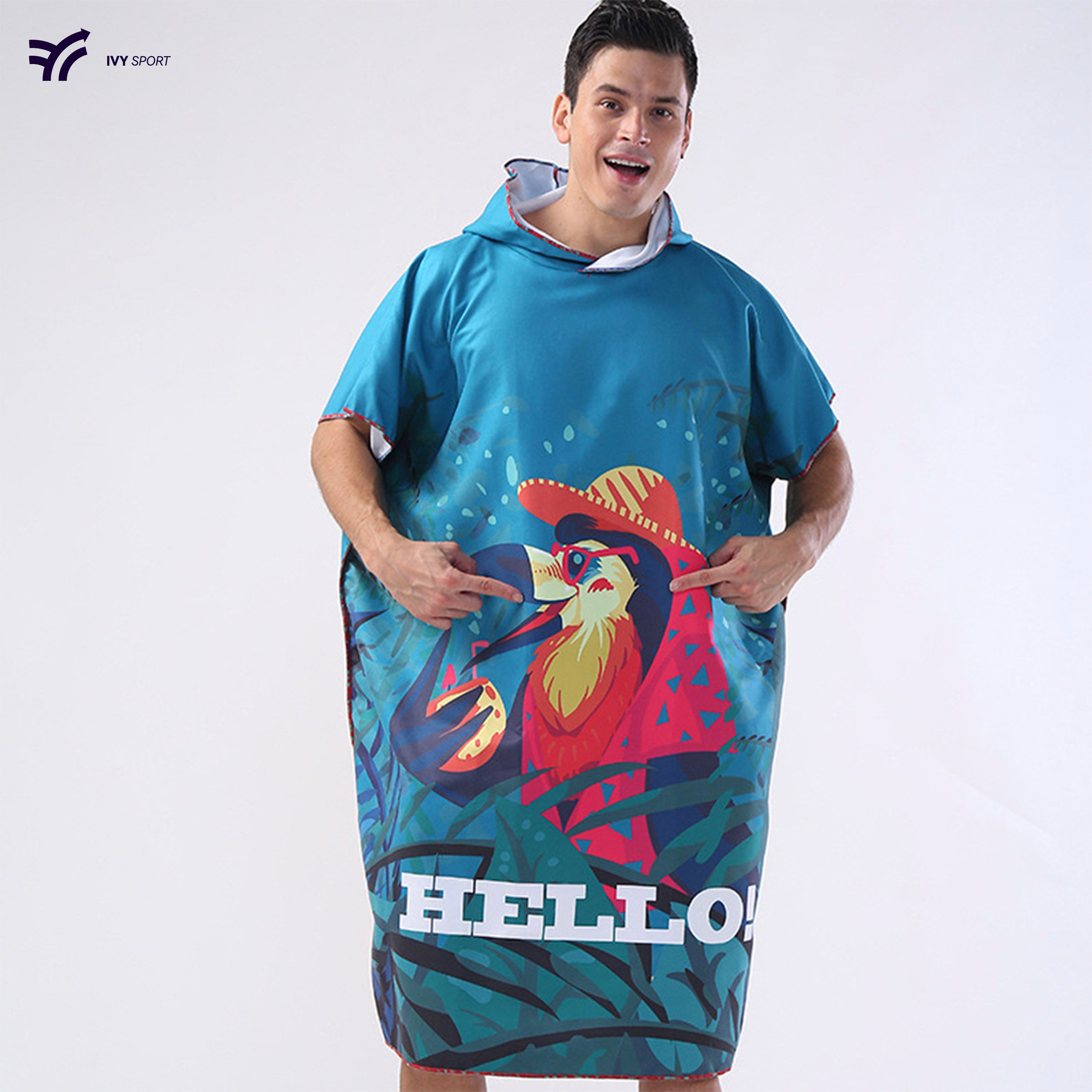
אלמנטים עיצוביים כגון צבעים, דפוסים ותכונות דקורטיביות משפיעים על המראה המושך של מגבות לים ללקוחות. צבעים זוהרים ודפוסים מושכים יכולים לדרוש תעריפי פרימיום, בעוד שעיצובים קלאסיים מציעים עניין בשוק רחבה יותר. קמעונאים צריכים לאזן בין עיצובים טרנדיים שמשיכים צרכנים בעלי חוש אופנה לבין אפשרויות קלאסיות שמעוררות עניין בקרב קונים פרקטיים.
מאפייני עיצוב פונקציונליים כגון טבעות בפינות, כיסים או תיקים להובלה מוסיפים ערך לקטעי לקוחות ספציפיים. מגבות שור לחוף עם מאפיינים משולבים עלולות לzasקף נקודות מחיר גבוהות יותר, תוך משיכה של לקוחות המעדיפים נוחות ופונקציונליות. אלמנטים אלו בעיצוב יכולים להבדיל את המוצרים בשווקים תחרותיים ולתמוך באסטרטגיות מיקוד פרימיום.
הבנת הדמוגרפיה היעדית עוזרת לקמעונאים לבחור במגבות שור לחוף אשר מתאימות להעדפות הלקוחות ואופן השימוש שלהם. משפחות עם ילדים עלולות לשים דגש על מגבות שור לחוף גדולות ועמידות יותר, בעוד שמשתמשים בודדים עלולים להעדיף אפשרויות קומפקטיות שמייבשות במהירות כדי לקלות בהובלה בעת מסעות. העדפות אלו משפיעות הן על בחירת המוצר והן על אסטרטגיות התמחור.
תנאי השימוש משפיעים על דרישות הביצועים של מטלות ים בקבוצות הלקוחות השונות. מבקרים במתחמי נופש על החוף עשויים לשים דגש על פאר וריכוך, בעוד שמערבים מחנות מתמקדים בנוחיות הובלה וביכולת ייבוש מהיר. קמעונאים צריכים לקחת בחשבון את תבניות השימוש הללו בעת בחירת ערכות המלאי שמתאימות לצרכים השונים של הלקוחות.
השתנות עונתית בהעדפות הלקוחות משפיעה על דפוסי הביקוש לסוגים שונים של מטלות ים. עונות השיא הקיץ גורמות לעלייה בביקוש לאופציות פרימיום, בעוד שבעונות המעבר עשויות להעדיף מוצרים בעלי ערך. הבנת דפוסים אלו מאפשרת לקמעונאים לאפשר אופטימיזציה של זמני המלאי ואסטרטגיות התמחור לאורך השנה.
מוכרי קמעונאיים צריכים למקד את המיקוד בשטיחי ים עם דירוג GSM בין 400–600 גרם למטר רבוע כדי להשיג את האיזון האופטימלי בין ספיגת המים והשימושיות. שטיחי ים עם דירוג GSM נמוך מ-400 עלולים להרגיש דקיקים ולספק ספיגה לא מספקת, בעוד ששטיחי ים עם דירוג GSM גבוה מ-600 הופכים לעבים מדי ומאחירים ביבוש. דירוגי GSM בטווח הביניים מציעים את השילוב הטוב ביותר של ביצועים וסיפוק הלקוח עבור רוב היישומים הקמעונאיים.
מוכרי קמעונאיים צריכים לבקש דגימות ולהעריך את איכות הספיגה על ידי מדידת הזמן שבו שטיחי הים סופגים כמות מים סטנדרטית. מבחני איכות נוספים כוללים בדיקת עמידות הצבע על ידי כביסה של הדגימות בטמפרטורות גבוהות, וכן הערכת העמידות באמצעות מחזורי כביסה חוזרים. בדיקה פיזית של איכות התפרים, עקביות הלולאות וסיום הקצוות חושפת גם היא את תכונות איכות הבנייה.
הסיפוק של הלקוחות במגבות לים תלוי בעיקר בביצועי הספיגה, בערמומיות, באיכות ובתפיסה של הערך. מגבות לים שסופגות מים במהירות תוך שמירה על ערמומיות גם לאחר מספר ר washes יוצרים חוויית לקוח חיובית. התאמה בגודל ועיצובים מושכים תורמים אף הם לסיפוק, אך מאפייני הביצוע נשארים המניעים העיקריים לקניות חוזרות והמלצות.
קמעונאים צריכים ליישם אסטרטגיות תמחור מדורגות שמציעות מגבות לים במספר נקודות מחיר כדי למשוך קטעי לקוחות שונים. מגבות לים בקטגוריית הערך, שמחירים שלהן גבוהים ב-200–300% מעל עלות השיווק, יכולות למשוך קונים רגישים למחיר, בעוד שאופציות פרימיום עם עלייה במחיר של 300–500% משרתות לקוחות enfocused באיכות. ניתוח תחרותי קבוע מבטיח שהמחירים ישארו משיכתיים תוך הגנה על שולי הרווח הדרושים לפעולת עסקים ברת-קיימות.

 EN
EN


