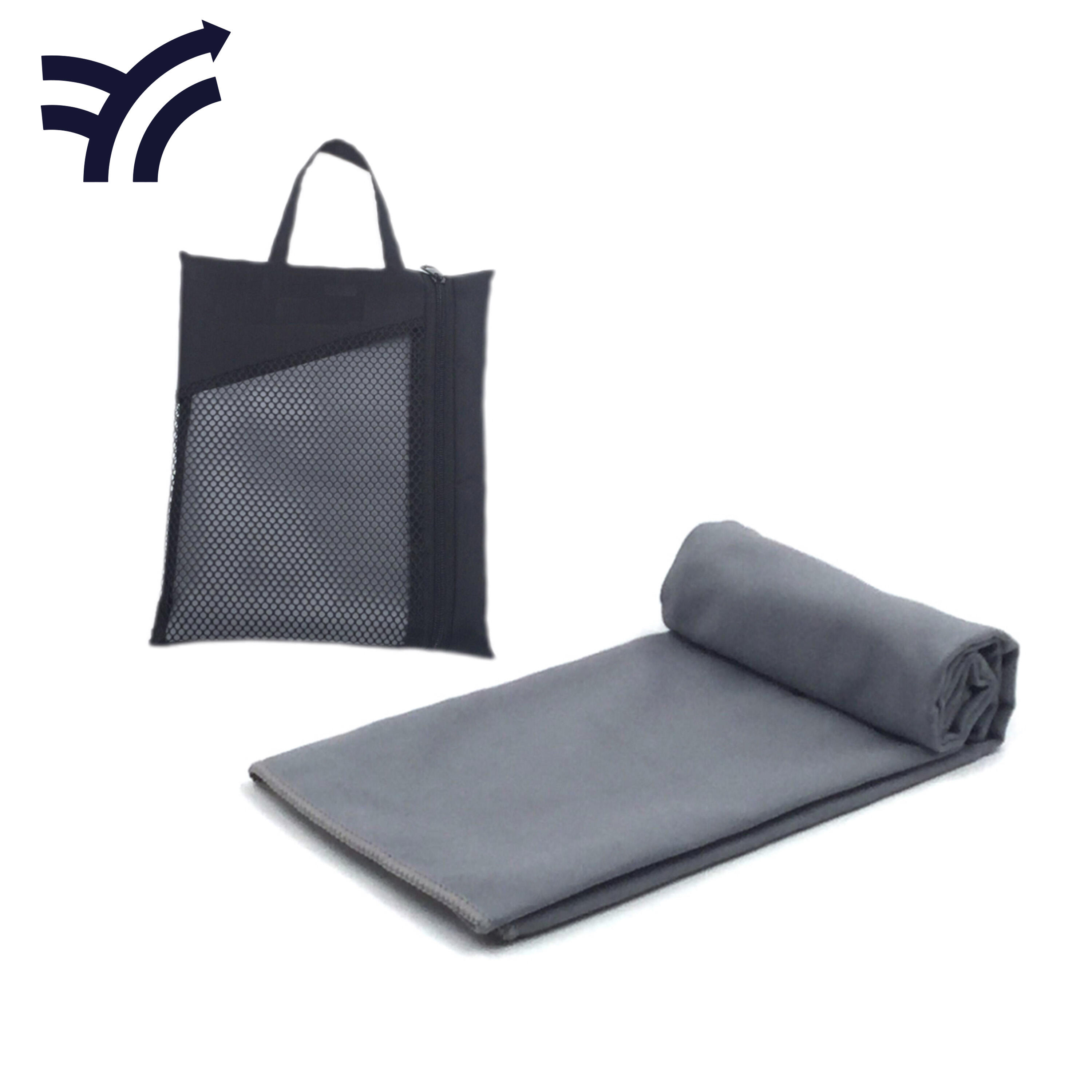
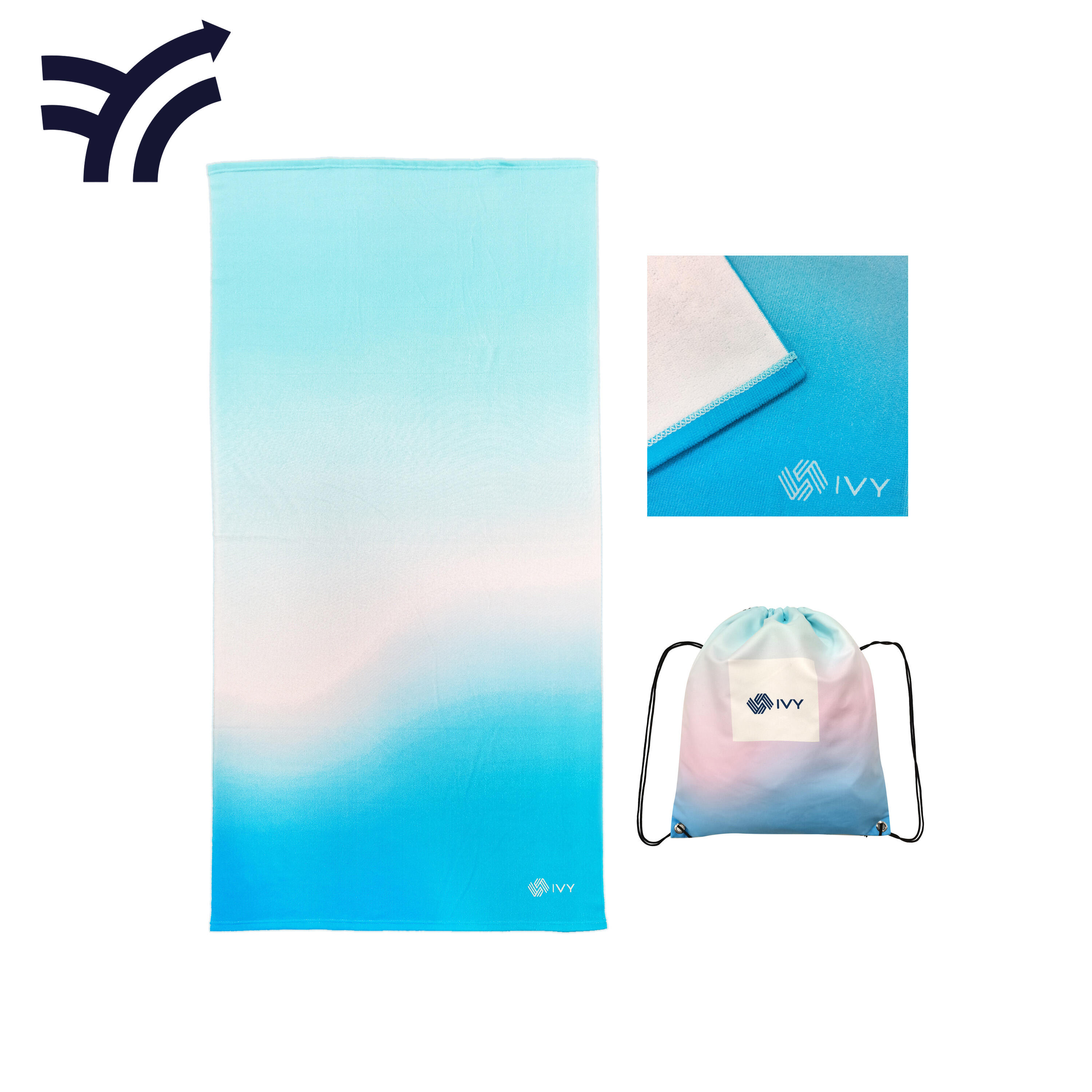
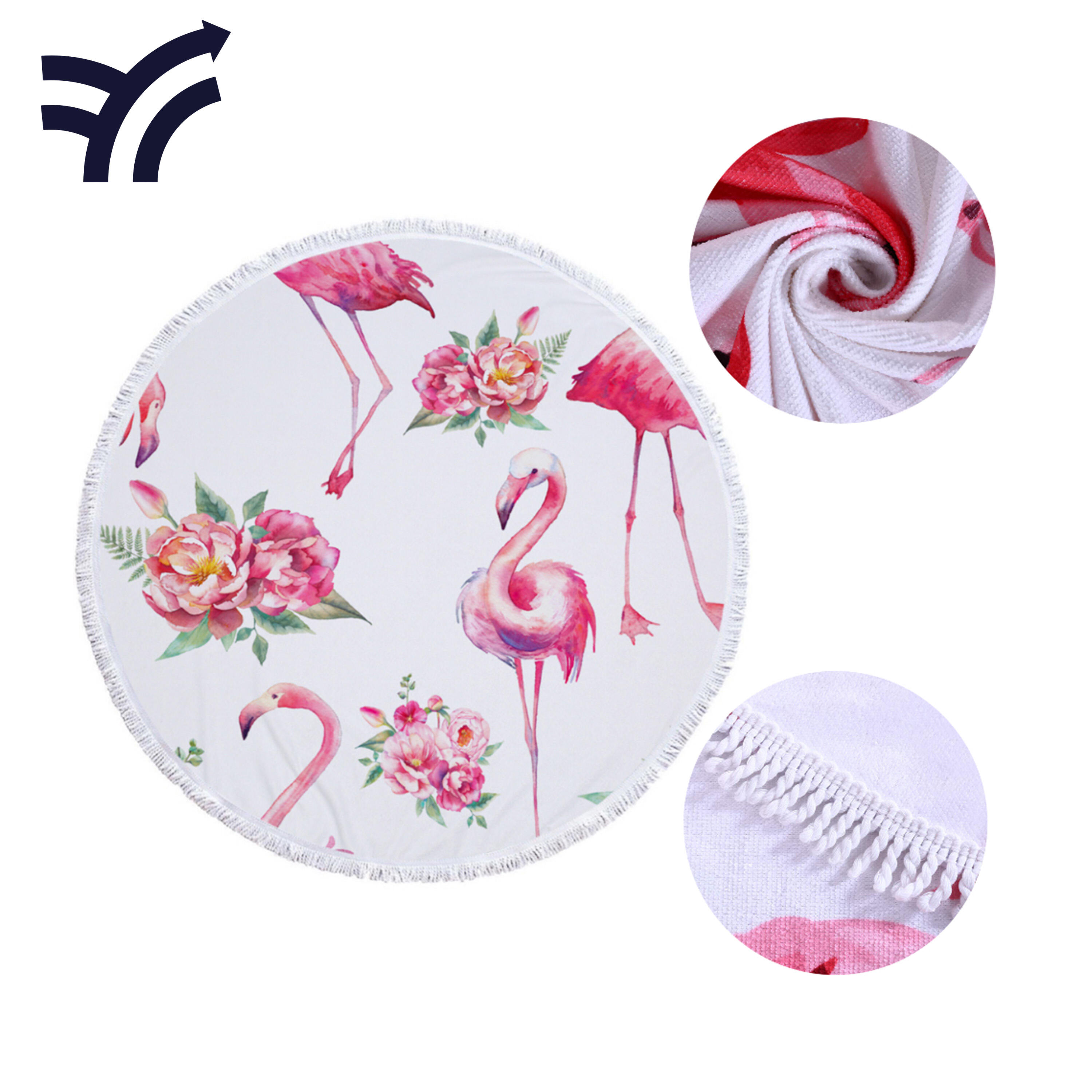
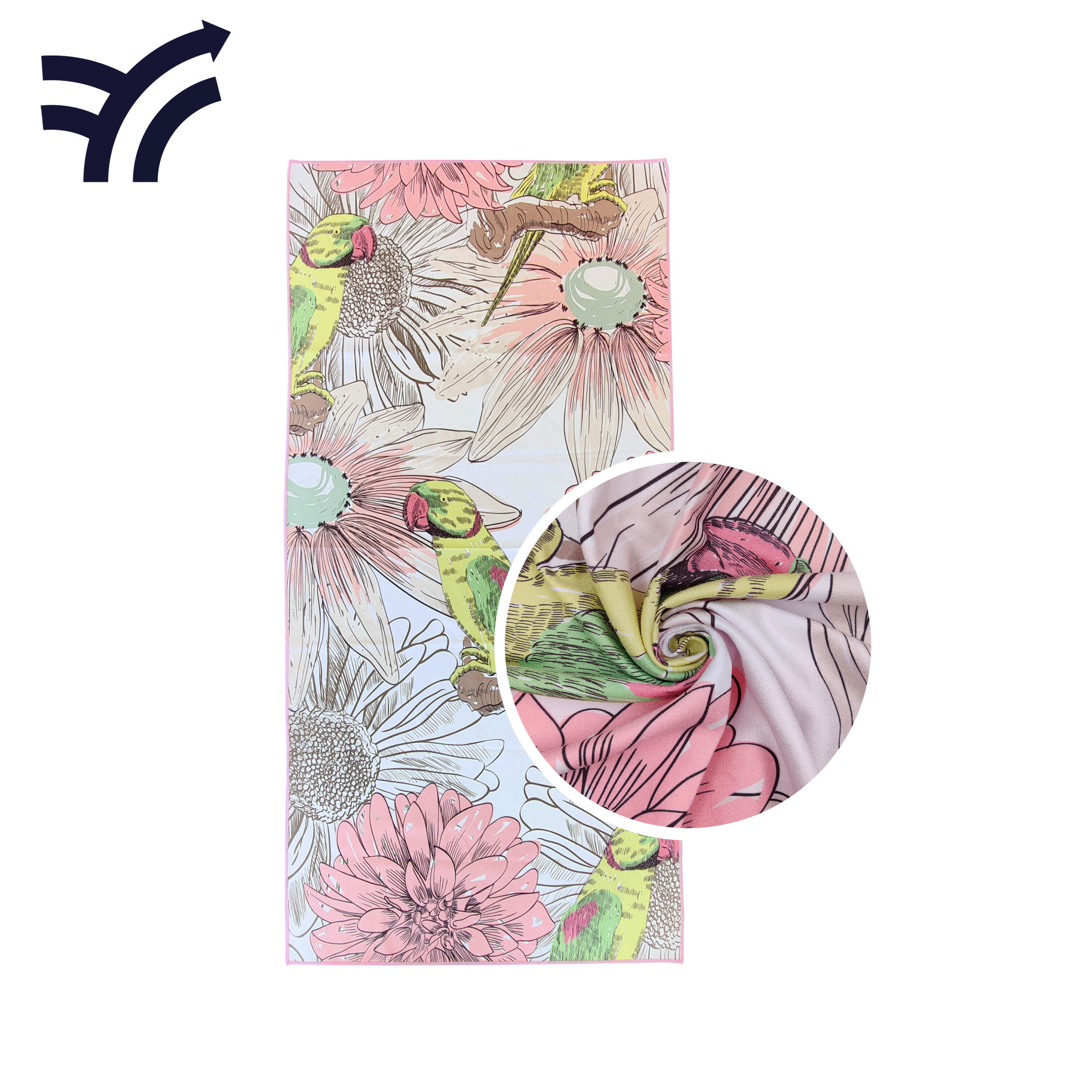
کارخانه تولید کننده مستقیم حوله بدون شن
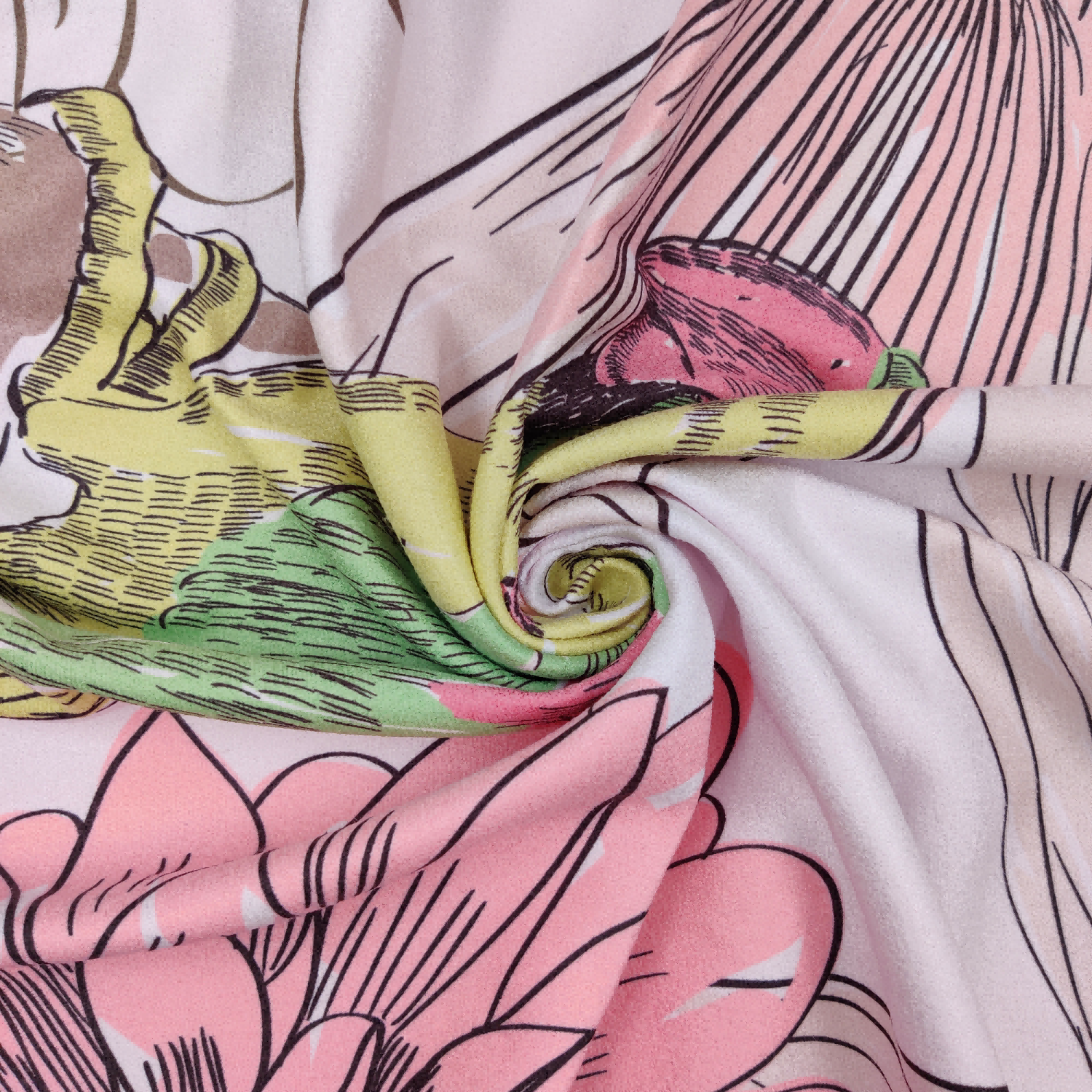
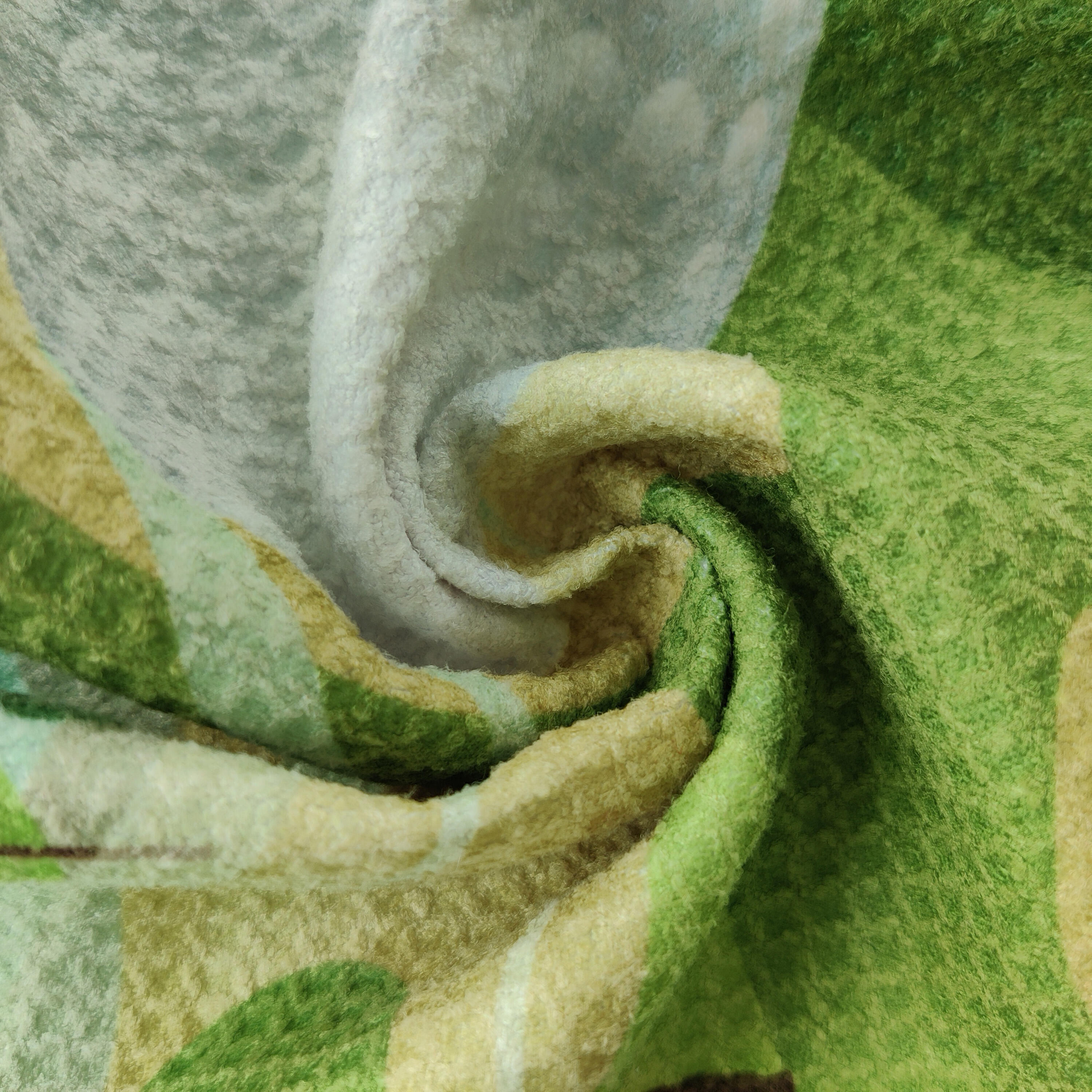
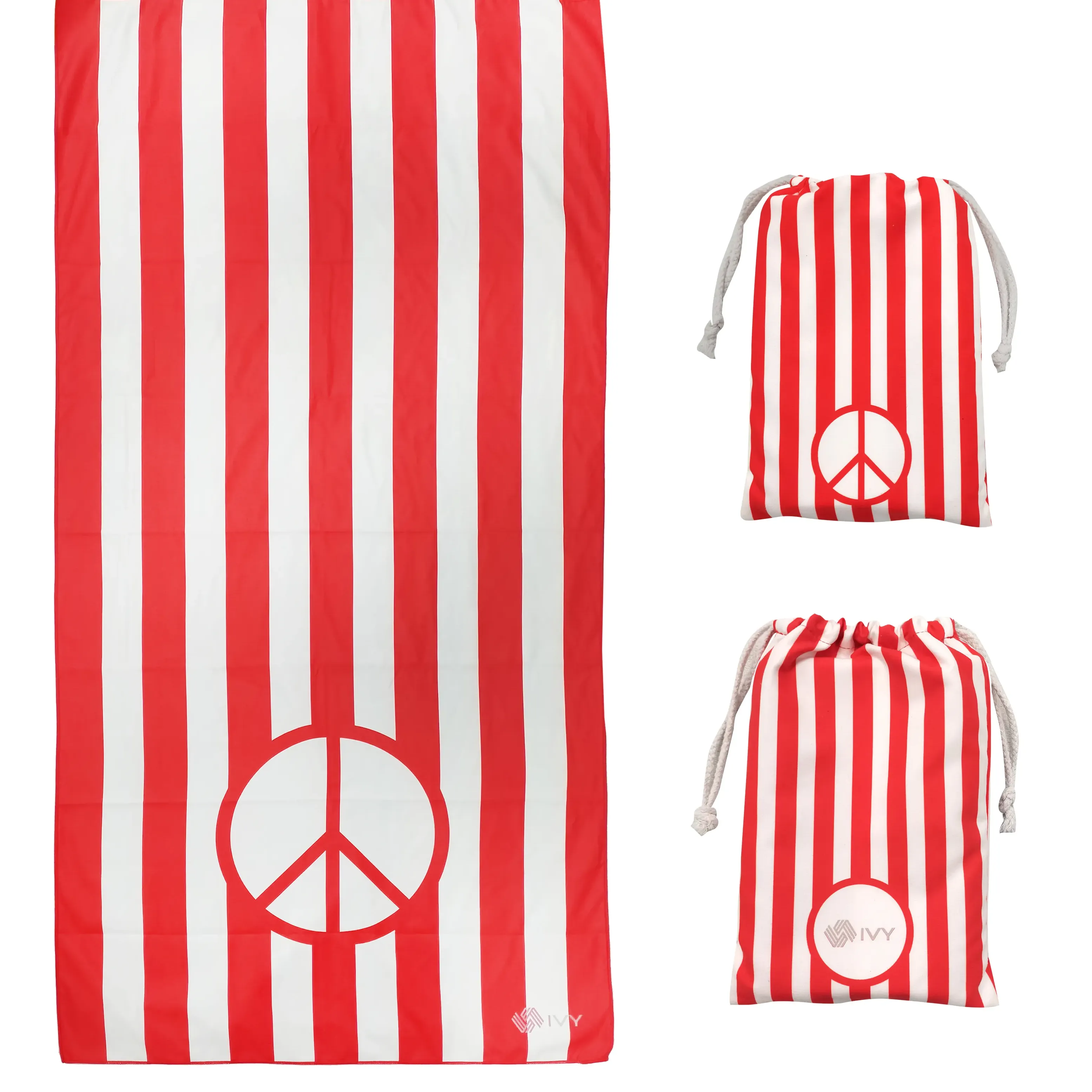
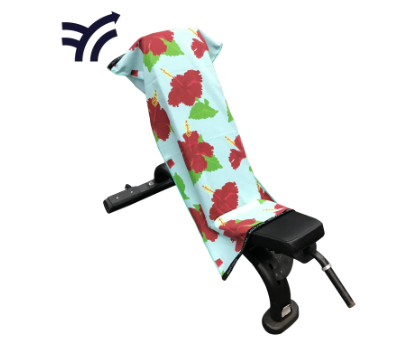
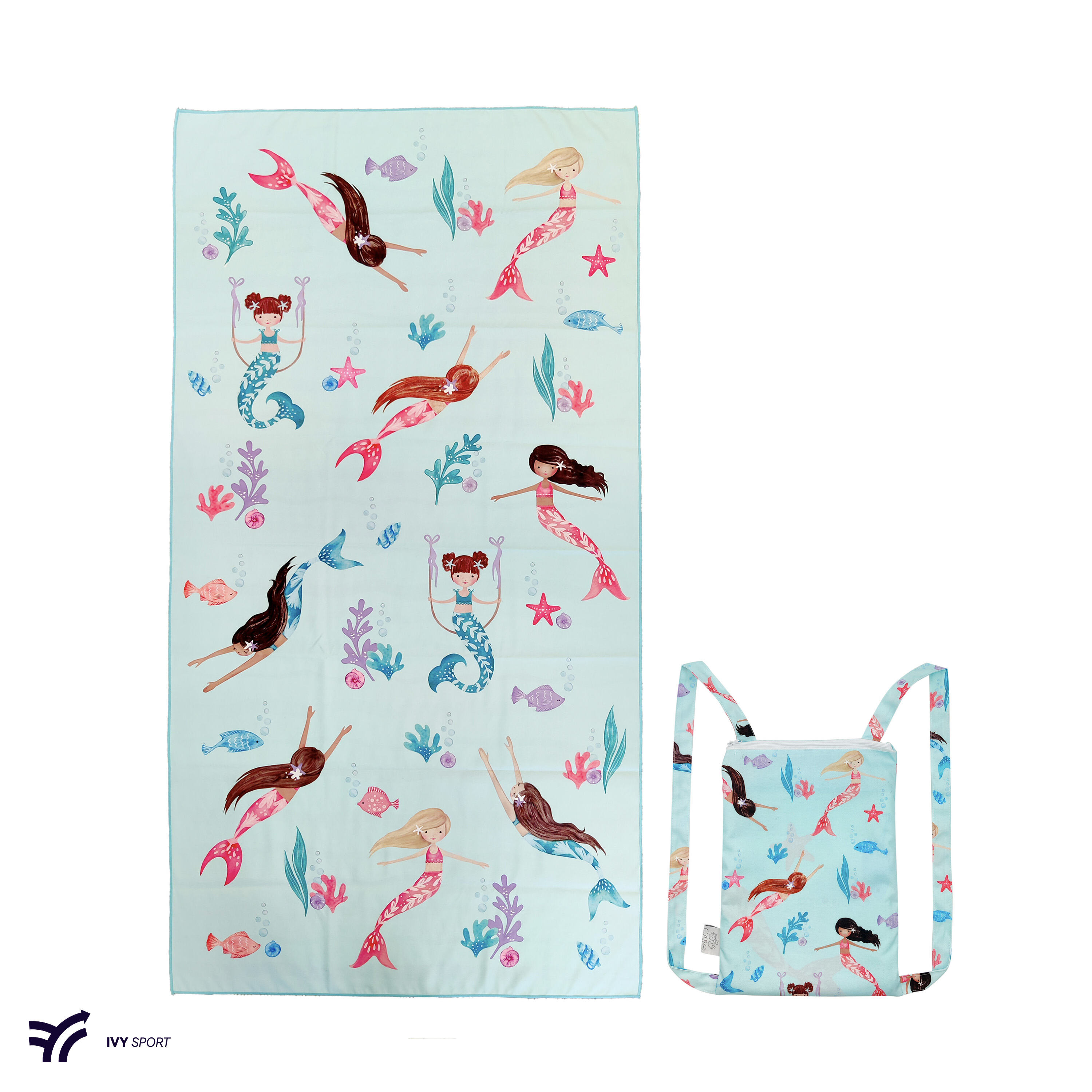
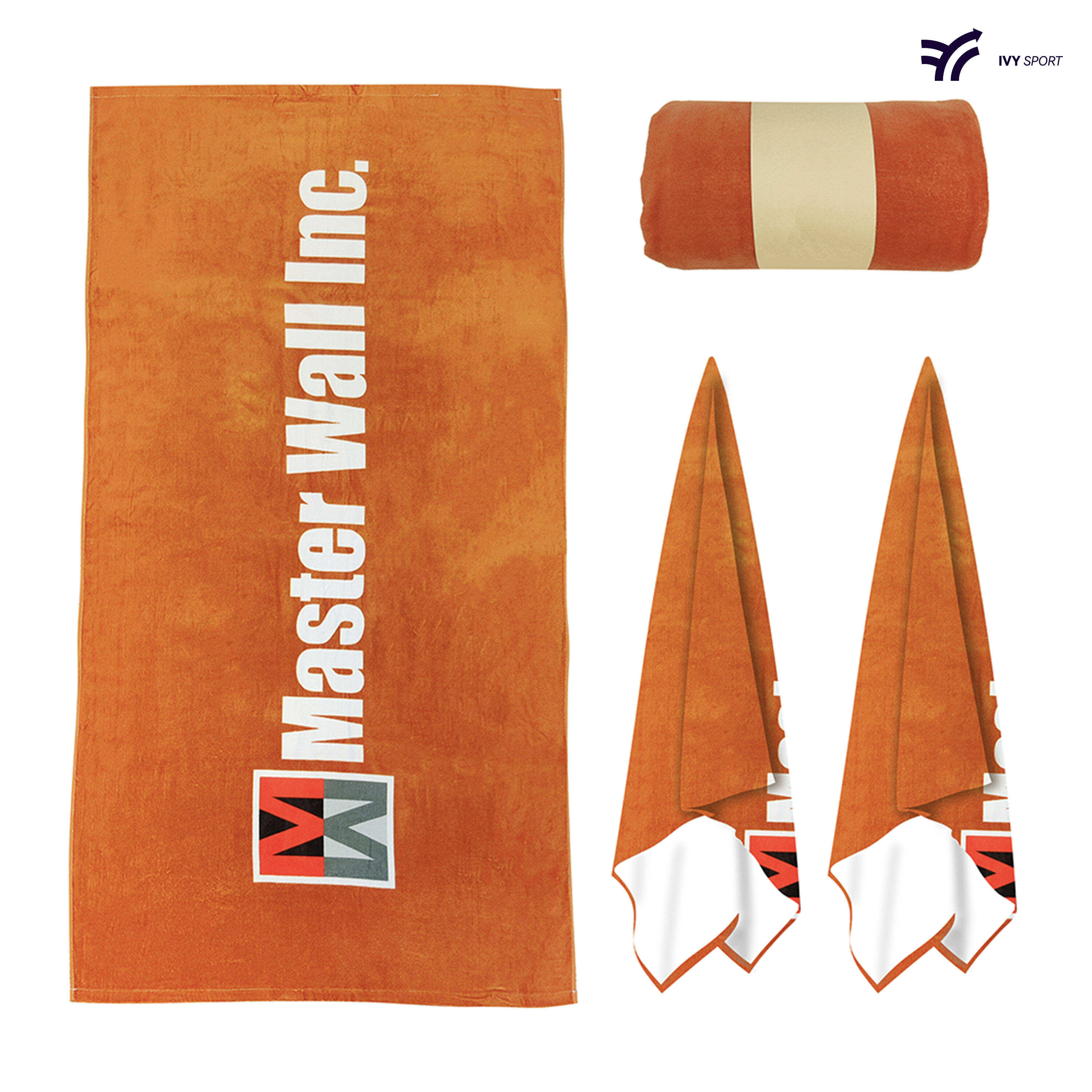
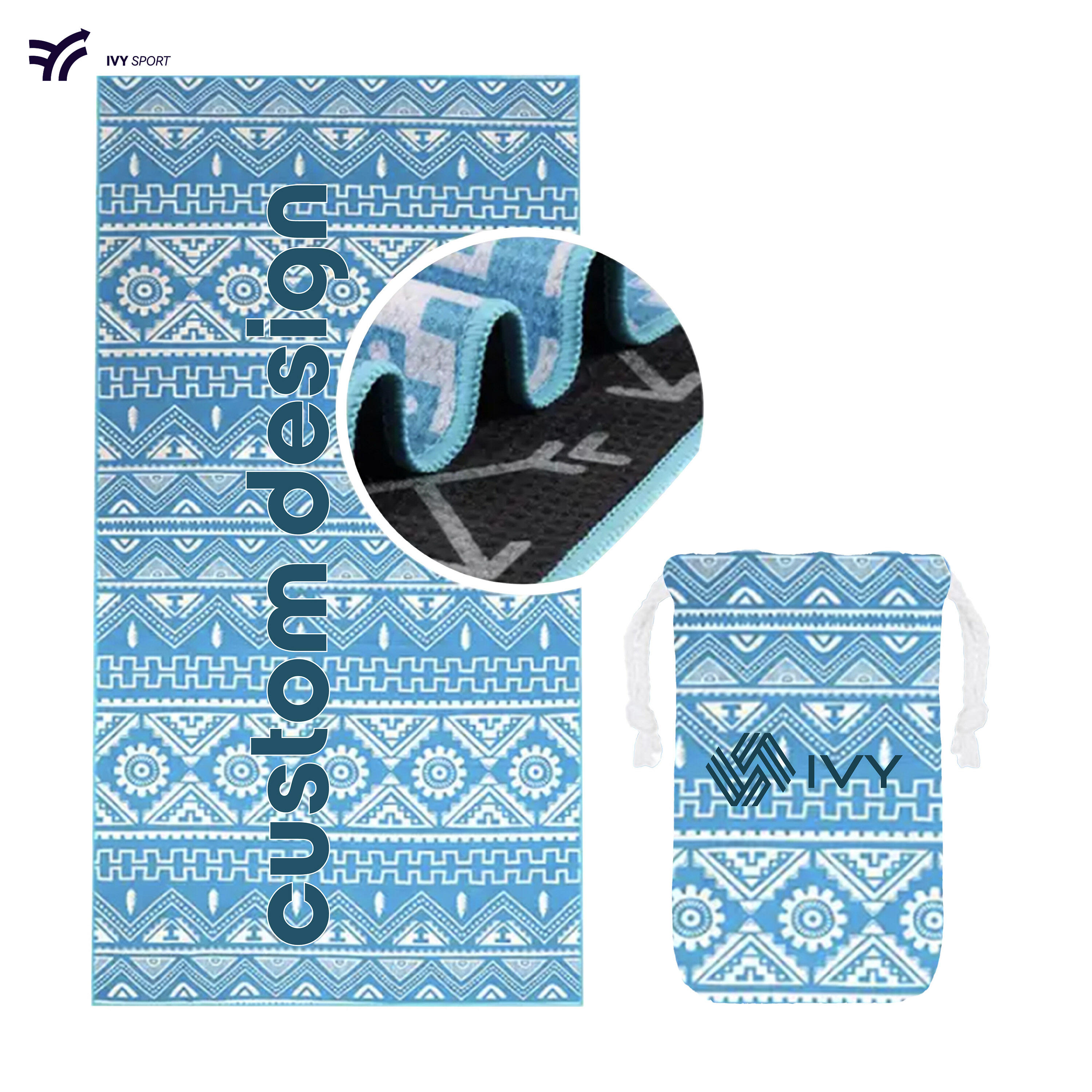
پارچههای پاک از شن با رویکرد تولید مستقیم از کارخانه، پیشرفتی انقلابی در صنعت تولید پارچههای ساحلی و فضای باز محسوب میشوند که مشکل مزمن چسبندگی شن را از طریق فناوری نوآورانه الیاف ریز (میکروفایبر) برطرف میکنند. این حولههای تخصصی از الیاف مصنوعی فوقالعاده ظریفی ساخته شدهاند که بهصورت الگویی منحصربهفرد بافته شدهاند و سطحی صاف ایجاد میکنند که ذرات شن نمیتوانند در آن نفوذ کرده یا بهطور مؤثری به آن بچسبند. رویکرد تولید مستقیم از کارخانه برای حولههای پاک از شن، امکان دریافت محصولاتی با کیفیت عالی و قیمتهای رقابتی را برای مشتریان فراهم میکند، زیرا هزینهها و افزایش قیمتهای ناشی از واسطهها حذف شدهاند. فرآیند تولید شامل تکنیکهای پیشرفته بافندگی است که الیاف ریز (میکروفایبر) متراکمی را تولید میکند که قطر آنها بهطور قابلتوجهی کوچکتر از الیاف پنبهای سنتی است. این نوآوری فناورانه منجر به تولید حولههایی میشود که جذبکنندگی استثنایی خود را حفظ میکنند، در عین حال جلوی چسبیدن شن به سطح پارچه را نیز میگیرند. مدل تولید مستقیم از کارخانه امکان اعمال اقدامات دقیق کنترل کیفیت را در تمام مراحل تولید فراهم میکند و از این طریق عملکرد یکنواخت و دوام بلندمدت محصولات تضمین میشود. این حولهها دارای ویژگی خشکشدن سریع هستند و بنابراین برای فعالیتهای ساحلی، سفرهای کمپینگ و ورزشهای فضای باز ایدهآل میباشند. سیستم تولید مستقیم از کارخانه برای حولههای پاک از شن، روشهای تولید پایداری را بهکار میگیرد که شامل رنگهای دوستدار محیطزیست و روشهای تولید کممصرف انرژی است. این حولهها با لبههای تقویتشده طراحی شدهاند تا از پُریدگی جلوگیری کرده و در برابر شستوشوی مکرر، استحکام ساختاری خود را حفظ کنند. فناوری ثبات رنگ، امکان حفظ طرحها و طراحیهای پررنگ را حتی پس از قرار گرفتن طولانیمدت در معرض آب شور و نور خورشید شدید فراهم میکند. مدل تولید مستقیم از کارخانه امکان سفارشیسازی را برای سفارشات عمده فراهم میکند، بهگونهای که شرکتها و سازمانها میتوانند طرحهای برندشده یا طیفهای رنگی خاصی را در محصولات خود ادغام کنند. رویههای آزمون کیفیت شامل آزمون مقاومت در برابر سایش، ارزیابی ثبات رنگ و ارزیابی میزان چسبندگی شن میشوند تا استانداردهای عملکردی بهینه تضمین گردد.

 EN
EN