Selecting the right fabric for beach ponchos can significantly impact both maintenance requirements and long-term durability, making it essential to understand which materials deliver optimal performance in coastal environments. The fabric choice directly determines how well your beach ponchos will withstand saltwater exposure, sand abrasion, frequent washing cycles, and prolonged sun exposure while maintaining their appearance and functionality over multiple seasons.
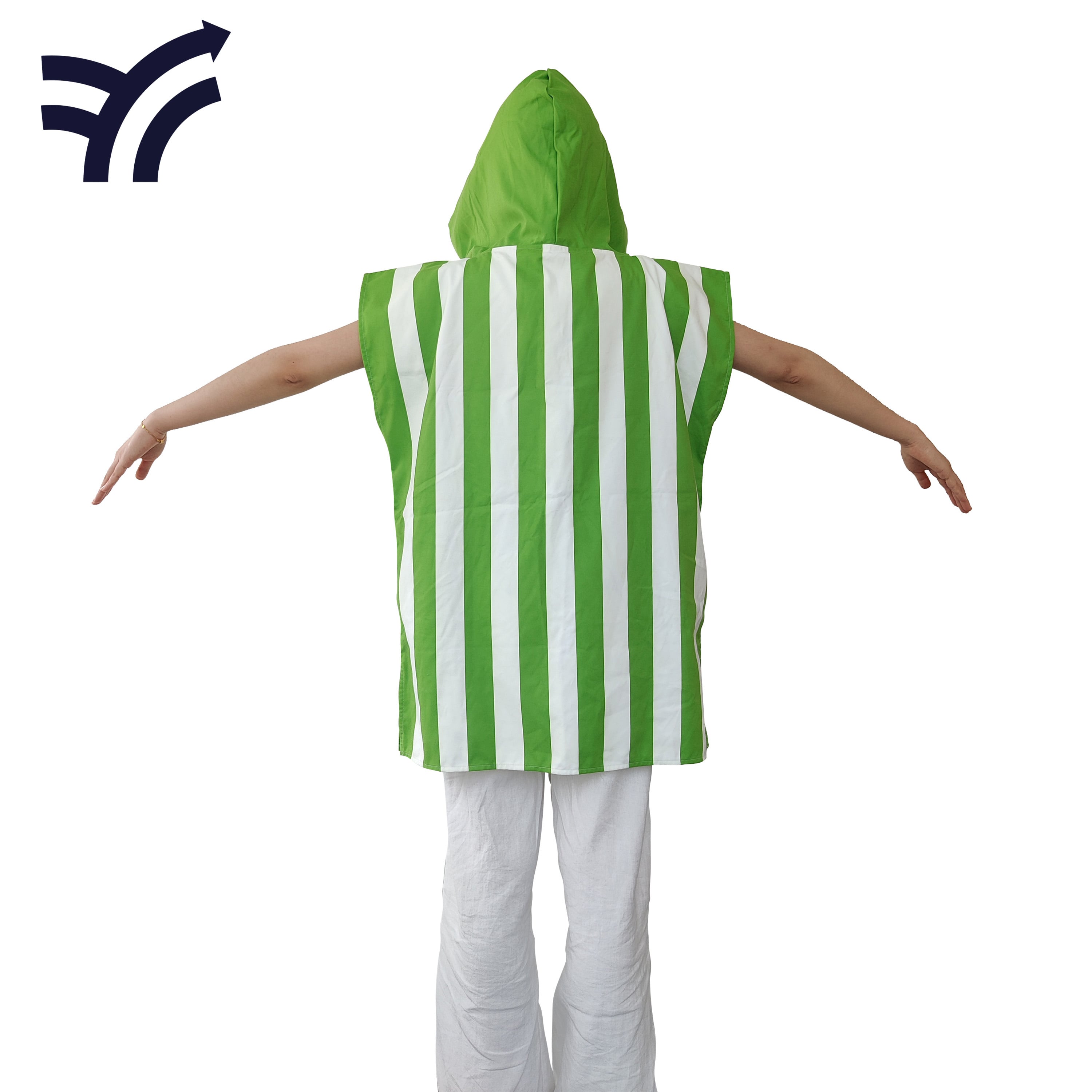
Modern beach ponchos incorporate advanced textile technologies that address the unique challenges of beachside use, where traditional cotton materials often fall short in terms of drying speed and color retention. Understanding the specific properties of different fabric compositions enables informed decisions that balance comfort, practicality, and longevity, ensuring your investment in quality beach ponchos provides years of reliable service without compromising on style or functionality.
Microfiber represents one of the most advanced fabric technologies available for beach ponchos, offering exceptional durability combined with remarkably low maintenance requirements. These ultra-fine synthetic fibers create a dense weave that resists fading, stretching, and pilling while maintaining superior absorbency that surpasses traditional cotton alternatives. The closed-loop construction of quality microfiber beach ponchos ensures consistent performance even after hundreds of wash cycles, making them ideal for frequent beachgoers who demand reliability.
The molecular structure of microfiber provides inherent resistance to chlorine, saltwater, and UV radiation, three primary factors that typically degrade fabric quality in coastal environments. This chemical stability translates to extended color vibrancy and structural integrity, allowing beach ponchos to maintain their original appearance season after season. Additionally, microfiber's quick-drying properties reduce the risk of mildew and bacterial growth, common issues that plague natural fiber alternatives in humid beach conditions.
Advanced microfiber beach ponchos often incorporate antimicrobial treatments that prevent odor development and bacterial colonization, features particularly valuable for items exposed to sand, saltwater, and varying humidity levels. The smooth surface texture of microfiber also facilitates easy sand removal, preventing the accumulation of abrasive particles that can gradually wear down fabric fibers and compromise durability over time.
High-quality polyester blends offer another excellent option for durable beach ponchos, particularly when engineered with specific performance additives that enhance longevity and ease of care. Modern polyester formulations resist shrinkage, color bleeding, and shape distortion while maintaining excellent dimensional stability across temperature variations commonly encountered in beach environments. The synthetic nature of polyester provides inherent resistance to most stains and allows for aggressive cleaning protocols without fabric degradation.
Premium polyester beach ponchos often feature solution-dyed fibers where color is integrated during the manufacturing process rather than applied afterward, resulting in exceptional fade resistance that maintains vibrancy through years of sun exposure and repeated washing. This manufacturing technique creates colorfast properties that significantly extend the useful life of beach ponchos while reducing the need for special care procedures or color-protecting treatments.
The low moisture absorption rate of polyester prevents the heavy, waterlogged feeling common with natural fiber beach ponchos, while still providing adequate absorbency for post-swim drying. This balance ensures comfort during use while facilitating rapid air-drying that prevents the musty odors and fabric degradation associated with prolonged moisture retention in humid environments.
Traditional cotton beach ponchos, while comfortable and familiar, present several maintenance and durability challenges that make them less suitable for intensive beach use compared to synthetic alternatives. Cotton's high moisture retention rate creates extended drying times that promote bacterial growth and mildew development, particularly problematic in humid coastal climates where beach ponchos may remain damp for extended periods between uses.
The natural structure of cotton fibers makes them susceptible to UV degradation, salt crystallization damage, and sand abrasion, leading to gradual weakening and color fading that becomes apparent after moderate use. Beach ponchos made from standard cotton require frequent washing with specialized detergents to remove salt residues and prevent fabric stiffening, increasing both maintenance costs and time investment compared to synthetic alternatives.
Shrinkage represents another significant concern with cotton beach ponchos, as the combination of saltwater exposure, frequent washing, and heat drying can cause dimensional changes that affect fit and functionality. While pre-shrunk cotton varieties address some of these issues, they still cannot match the dimensional stability offered by engineered synthetic fabrics specifically designed for marine environments.
Bamboo-derived fabrics represent an emerging natural option for beach ponchos, offering improved performance characteristics over traditional cotton while maintaining the comfort and breathability associated with natural fibers. Modern bamboo textiles undergo processing that creates smooth, round fibers with natural antimicrobial properties that resist odor development and bacterial growth, addressing common hygiene concerns with beach garments.
The cellular structure of bamboo fibers provides superior moisture-wicking capabilities compared to cotton, allowing beach ponchos to dry more quickly while maintaining adequate absorbency for post-swim comfort. This balance reduces the maintenance burden while providing natural UV protection that helps preserve fabric integrity and color stability over extended exposure periods.
However, bamboo beach ponchos still require more careful maintenance than synthetic alternatives, particularly regarding washing temperature limits and chemical exposure sensitivity. The natural origin of bamboo fibers makes them more susceptible to degradation from chlorine and certain detergent additives, requiring users to follow specific care protocols to maximize durability and performance longevity.
Advanced water-repellent treatments significantly enhance the performance and durability of beach ponchos by creating a protective barrier that prevents deep moisture penetration while maintaining breathability and comfort. These molecular-level coatings bond permanently with fabric fibers, ensuring consistent performance through numerous wash cycles without the need for reapplication or special maintenance procedures.
Durable Water Repellent (DWR) treatments on beach ponchos create a surface that causes water to bead and roll off rather than absorbing into the fabric, reducing drying time and preventing the accumulation of salt, sand, and other contaminants that can degrade fiber structure over time. This protection extends fabric life while simplifying maintenance requirements, as surface contaminants can often be removed with simple rinsing rather than deep cleaning.
The hydrophobic properties of treated beach ponchos also prevent the absorption of sunscreen oils, chlorine, and other pool chemicals that typically cause staining and fiber degradation in untreated fabrics. This chemical resistance maintains appearance and structural integrity while reducing the frequency and intensity of cleaning required to keep beach ponchos in optimal condition.
Integrated UV protection treatments represent a crucial advancement for beach ponchos exposed to intense solar radiation, providing both fabric preservation and user protection through specialized additives that absorb or reflect harmful ultraviolet wavelengths. These treatments prevent photodegradation of fabric fibers while maintaining color stability and structural strength over years of sun exposure.
Modern UV-protective beach ponchos incorporate these treatments at the fiber level during manufacturing, ensuring consistent protection that cannot wash out or wear away through use. This permanent integration maintains fabric performance while providing measurable sun protection that extends the useful life of both the garment and the wearer's skin, creating dual value from a single treatment technology.
The molecular structure of UV-absorbing compounds used in quality beach ponchos also provides secondary benefits including enhanced color stability, reduced fading, and improved resistance to chemical degradation from chlorine and saltwater exposure. These multifunctional properties simplify maintenance while extending product life, making treated fabrics an excellent investment for serious beach enthusiasts.
Proper washing protocols significantly extend the life and performance of beach ponchos regardless of fabric type, with specific techniques that address the unique contamination and wear patterns associated with beach use. Cold water washing removes salt residues and sand particles while preventing heat-related shrinkage and color bleeding, particularly important for maintaining the dimensional stability of beach ponchos over multiple seasons.
Gentle detergents specifically formulated for synthetic fabrics provide optimal cleaning performance for modern beach ponchos while preserving technical treatments and fiber integrity. Avoiding fabric softeners and bleach prevents coating degradation and maintains the moisture-wicking and antimicrobial properties essential for beach performance, ensuring that technical fabrics continue functioning as designed throughout their service life.
Pre-rinsing beach ponchos immediately after use removes the majority of salt, chlorine, and sand before these contaminants can bond with fabric fibers or cause abrasive damage during storage. This simple step dramatically reduces the cleaning intensity required during formal washing while preventing the accumulation of damaging substances that gradually degrade fabric performance and appearance.
Proper drying techniques preserve the structural integrity and performance characteristics of beach ponchos while preventing the development of odors and bacterial growth that compromise hygiene and comfort. Air drying away from direct sunlight prevents UV damage while allowing complete moisture evacuation that inhibits mildew development, particularly important for thick or densely woven beach ponchos that retain moisture in internal layers.
Adequate ventilation during drying prevents the formation of moisture pockets that can lead to bacterial growth and fabric degradation, while proper spacing between multiple beach ponchos ensures uniform air circulation and complete drying throughout the fabric structure. Machine drying on low heat settings can accelerate the process for synthetic beach ponchos without causing damage, though air drying remains the gentlest option for maximum longevity.
Storage in clean, dry environments with adequate air circulation prevents the development of musty odors and fabric degradation during off-season periods, while avoiding compressed storage that can cause permanent creasing or shape distortion in beach ponchos. Proper folding techniques distribute stress across fabric structure rather than concentrating it at specific points, preserving the original shape and fit characteristics through multiple storage cycles.
Microfiber and high-quality polyester blends require the least maintenance for beach ponchos, as they resist staining, dry quickly, and maintain their appearance through standard cold-water washing without special treatments or care procedures. These synthetic fabrics also resist salt damage, chlorine bleaching, and sand abrasion better than natural alternatives.
Beach ponchos should be rinsed with fresh water after each use and machine washed every 3-5 uses or whenever salt residue, sunscreen, or odors become noticeable. This frequency prevents the accumulation of damaging substances while avoiding overwashing that can degrade fabric treatments and reduce overall durability.
High-quality beach ponchos made from synthetic fabrics with proper treatments can maintain excellent performance and appearance through 3-5 seasons of regular use when properly maintained. Factors affecting longevity include fabric quality, treatment technologies, maintenance consistency, and usage intensity throughout each season.
Signs of declining durability in beach ponchos include persistent odors after washing, visible fading or color changes, increased drying time, rough or pilled surface texture, and reduced absorbency. These indicators suggest fabric degradation that may require replacement or professional restoration to maintain optimal performance and hygiene standards.

 EN
EN


