As summer approaches and vacation seasons reach their peak, distributors face increasing demand for quality beach towels from retailers, hotels, and recreational facilities. The beach towel market represents a significant opportunity for wholesale distributors, but success depends on understanding the complex factors that influence purchasing decisions. From material quality and sizing options to seasonal trends and customer preferences, distributors must navigate numerous considerations to build profitable beach towel inventory that meets diverse market needs.
Cotton remains the gold standard for beach towels due to its superior absorbency and softness against skin. When evaluating cotton options, distributors should prioritize 100% cotton construction over cotton blends, as pure cotton delivers better moisture absorption and durability. Turkish cotton and Egyptian cotton represent premium options that command higher prices but offer exceptional quality and longevity. The weight of cotton, measured in GSM (grams per square meter), significantly impacts performance, with beach towels typically ranging from 400 to 600 GSM for optimal absorption without excessive bulk.
Ring-spun cotton provides enhanced softness and strength compared to open-end cotton, making it an excellent choice for premium beach towels. Distributors should also consider pre-shrunk cotton options to minimize customer complaints about size changes after washing. The construction method affects both durability and appearance, with combed cotton offering smoother surfaces and reduced pilling over time. Understanding these material distinctions enables distributors to match product quality with target market expectations and price points.
While cotton dominates the beach towel market, alternative fibers offer unique advantages for specific applications. Microfiber beach towels provide exceptional quick-dry properties and compact storage, making them popular with travelers and active beachgoers. These synthetic options typically weigh less than cotton alternatives and resist mold and mildew formation, extending product lifespan in humid environments. However, microfiber may feel less luxurious than cotton and can retain odors more readily.
Bamboo fiber represents an eco-friendly option that appeals to environmentally conscious consumers. Bamboo beach towels offer natural antimicrobial properties and excellent moisture-wicking capabilities while maintaining softness comparable to cotton. Linen blends provide lightweight alternatives suitable for hot climates, though they may wrinkle more easily and offer different texture preferences. Distributors should evaluate these alternatives based on target customer demographics and regional climate conditions to determine appropriate inventory mix.
Beach towel dimensions significantly impact customer satisfaction and usage versatility. Standard beach towels typically measure 30x60 inches, providing adequate coverage for most adult users while remaining manageable for transport and storage. Oversized options measuring 35x70 inches or larger cater to customers seeking maximum coverage and comfort, particularly popular at luxury resorts and upscale retail outlets. Compact travel sizes around 24x48 inches appeal to space-conscious consumers and work well for children or secondary towel needs.
Distributors should consider stocking multiple size categories to address diverse market segments. Family-oriented retailers often prefer variety packs containing different sizes, while hotel and resort buyers may focus on consistent sizing for operational efficiency. The relationship between size and price point creates opportunities for tiered product offerings, allowing distributors to capture both value-conscious and premium market segments. Understanding regional preferences helps optimize size distribution, as beach towel preferences can vary significantly between domestic and international markets.
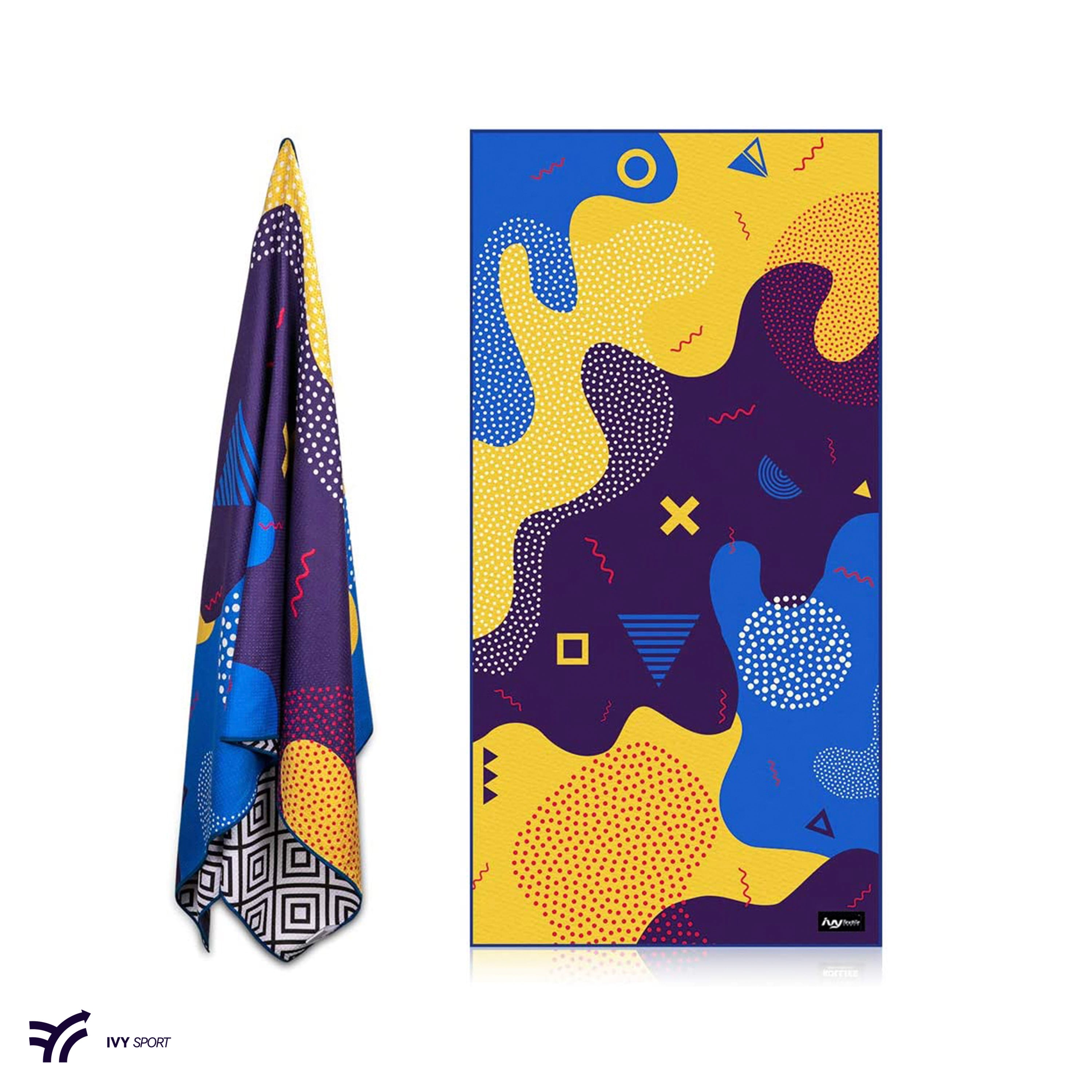
Visual appeal plays a crucial role in beach towel purchasing decisions, making design selection critical for distribution success. Solid colors remain popular for their versatility and timeless appeal, with navy, white, and bright tropical colors consistently performing well across multiple seasons. Striped patterns offer classic beach aesthetics that appeal to traditional customers, while tropical prints and geometric designs attract younger demographics seeking Instagram-worthy beach accessories.
Custom branding opportunities present significant value-added potential for beach towels targeting corporate clients, hotels, and promotional markets. Embroidered logos, printed designs, and personalization options command premium pricing while creating customer loyalty and brand recognition. Distributors should evaluate printing methods including reactive printing, pigment printing, and sublimation for durability and color vibrancy. Seasonal design rotations help maintain inventory freshness and encourage repeat purchasing from retail partners.
Beach towel demand follows predictable seasonal patterns that distributors must anticipate for optimal inventory management. Peak season typically extends from March through August in Northern Hemisphere markets, with strongest sales occurring during May and June as consumers prepare for summer vacations. Southern Hemisphere markets experience opposite seasonal patterns, creating opportunities for year-round distribution strategies. Spring break periods generate significant spikes in college markets, while back-to-school seasons see reduced demand except for warm climate regions.
Weather patterns and vacation trends influence demand timing and duration. Unusual weather conditions can shift purchasing patterns, with early warm spells accelerating sales or late cold snaps extending slower periods. Resort destinations maintain more consistent year-round demand, making them valuable distribution channels for maintaining steady revenue streams. Economic factors affecting vacation spending directly impact beach towel sales, requiring distributors to monitor broader economic indicators for demand forecasting.
Effective inventory planning for beach towels requires balancing carrying costs against stockout risks during peak demand periods. Lead times from manufacturers often extend 60-90 days, necessitating early season ordering to ensure adequate stock availability. Distributors should establish minimum stock levels based on historical sales data while maintaining flexibility for rush orders during unexpected demand spikes. Safety stock calculations must account for the concentrated nature of beach towel sales within specific seasonal windows.
Diversified product portfolios help mitigate seasonal risk by including complementary items like beach bags, umbrellas, and outdoor accessories. End-of-season clearance strategies become crucial for moving excess inventory while preserving profit margins. Some distributors successfully transition beach towels into pool towel markets or gym towel applications to extend selling seasons. Strategic partnerships with off-season buyers in Southern Hemisphere markets can help balance inventory flows and optimize warehouse utilization throughout the year.
Different retail channels impose varying requirements on beach towel specifications and ordering patterns. Department stores typically seek premium options with strong brand recognition and attractive packaging, often requiring specific size runs and seasonal color coordination. Discount retailers prioritize value pricing while maintaining acceptable quality standards, focusing on basic designs and efficient packaging formats. Specialty beach and swim shops demand unique designs and high-quality construction to justify premium pricing and differentiate from mass market alternatives.
Online marketplaces present both opportunities and challenges for beach towel distribution. Product photography becomes critical for online success, requiring distributors to provide high-quality images and detailed specifications. Customer reviews significantly influence online purchasing decisions, making quality consistency essential for maintaining positive ratings. Packaging considerations differ for online fulfillment, with individual packaging often preferred over bulk formats. International shipping capabilities expand market reach but require understanding of various customs and regulatory requirements.
Hotels, resorts, and recreational facilities represent substantial volume opportunities for beach towel distributors. Commercial buyers prioritize durability and easy maintenance over fashion considerations, seeking beach towels that withstand frequent washing and heavy use. Bulk ordering patterns provide predictable revenue streams but require competitive pricing and reliable delivery schedules. Custom branding opportunities in hospitality markets often justify premium pricing while creating long-term customer relationships.
Pool facilities, water parks, and fitness centers require beach towels meeting specific regulatory and operational standards. Antimicrobial treatments may be necessary for certain commercial applications, while color-coding systems help with inventory management and loss prevention. Rental and laundry service providers need beach towels designed for industrial washing processes and repeated use cycles. Understanding commercial laundering requirements helps distributors select appropriate construction methods and fabric treatments for institutional markets.
Understanding the cost structure of beach towel manufacturing enables distributors to make informed pricing decisions and identify profit optimization opportunities. Raw material costs, primarily cotton pricing, represent the largest cost component and fluctuate based on global commodity markets. Labor costs vary significantly between manufacturing regions, with developing countries offering lower production costs but potentially longer lead times and quality control challenges. Transportation and logistics costs have increased substantially in recent years, requiring distributors to factor shipping expenses into pricing strategies.
Minimum order quantities directly impact unit costs, with larger orders achieving better pricing through economies of scale. Custom design and branding requirements typically increase unit costs but enable premium pricing in target markets. Quality control processes and testing requirements add to manufacturing costs but reduce customer returns and warranty claims. Currency fluctuations affect international sourcing costs, requiring distributors to implement hedging strategies or flexible pricing mechanisms to maintain profit margins.
Successful beach towel pricing requires thorough analysis of competitive landscape and value proposition differentiation. Mass market beach towels typically retail for $15-25, while premium options can command $40-80 or more depending on brand positioning and unique features. Private label opportunities allow distributors to compete effectively against established brands while maintaining better profit margins. Value-added services such as custom packaging, drop-shipping, or exclusive designs can justify premium pricing even in competitive markets.
Regional pricing variations reflect different market conditions and consumer purchasing power. Luxury resort markets support higher pricing than general retail channels, requiring distributors to segment product offerings accordingly. Seasonal pricing adjustments help optimize revenue throughout demand cycles, with early season premiums and end-season discounts maximizing total profitability. Bundle pricing strategies combining beach towels with complementary products can increase average order values and improve customer satisfaction.
Comprehensive quality control ensures beach towels meet performance expectations and regulatory requirements across different markets. Absorbency testing measures the towel's ability to absorb moisture quickly and completely, typically evaluated through standardized water absorption tests. Colorfastness testing ensures designs and colors remain stable through repeated washing and sun exposure, preventing customer complaints about fading or bleeding. Shrinkage testing verifies dimensional stability after washing, helping distributors provide accurate sizing information to customers.
Tensile strength testing evaluates fabric durability under stress, particularly important for beach towels subjected to wringing and stretching during use. Pilling resistance testing measures surface durability and appearance retention over time, affecting customer satisfaction and repurchase decisions. Lint testing ensures minimal fiber shedding during use and washing, important for customer comfort and product performance. These testing protocols should be established with manufacturing partners and consistently applied across product lines to maintain quality standards.
Regulatory compliance becomes increasingly important as beach towel markets expand globally and consumer awareness of safety standards grows. OEKO-TEX certifications ensure textiles meet human safety and environmental standards, providing valuable marketing advantages in quality-conscious markets. CPSIA compliance is mandatory for children's beach towels in the United States, requiring specific testing and labeling requirements. Organic cotton certifications appeal to environmentally conscious consumers and command premium pricing in targeted markets.
Antimicrobial treatments may require EPA registration or similar regulatory approval depending on treatment types and marketing claims. Import/export documentation must comply with customs regulations in target markets, including proper classification codes and country-of-origin labeling. Fire retardancy requirements may apply in certain commercial applications or regional markets. Maintaining current knowledge of evolving regulatory requirements protects distributors from compliance issues while enabling access to premium market segments demanding certified products.
Selecting reliable manufacturing partners is crucial for long-term success in beach towel distribution. Production capacity and scalability determine whether suppliers can meet growing demand and seasonal fluctuations effectively. Quality management systems and certifications indicate manufacturing sophistication and consistency capabilities. Geographic location affects shipping costs, lead times, and communication efficiency, requiring distributors to balance cost advantages with operational complexity.
Financial stability and business continuity planning protect distributors from supply chain disruptions. Intellectual property protection and confidentiality agreements become important when developing custom designs or private label products. Social responsibility and environmental practices increasingly influence supplier selection as customers demand ethical sourcing. Regular facility audits and relationship management ensure ongoing performance and continuous improvement in manufacturing partnerships.
Diversified sourcing strategies reduce dependence on single suppliers and geographic regions, protecting against production disruptions and political instability. Backup supplier relationships should be maintained even when not actively used, providing flexibility during peak demand periods or primary supplier issues. Inventory buffer strategies balance carrying costs against stockout risks, particularly important during peak beach towel selling seasons. Force majeure planning addresses natural disasters, labor disputes, and other unforeseeable events that could disrupt supply chains.
Transportation alternatives and routing options provide flexibility when primary shipping methods become unavailable or cost-prohibitive. Currency hedging strategies protect against exchange rate fluctuations when sourcing internationally. Insurance coverage for inventory, transportation, and business interruption provides financial protection against supply chain disruptions. Regular risk assessment and contingency planning help distributors anticipate and respond effectively to supply chain challenges while maintaining customer service levels.
High-quality beach towels typically range from 450 to 600 GSM, with 500 GSM being optimal for most applications. This weight provides excellent absorbency without excessive bulk, making towels easy to carry while delivering superior drying performance. Lower GSM towels may feel thin and provide inadequate absorption, while higher weights can become cumbersome and slow to dry. Premium beach towels often use 550-600 GSM construction for luxury feel and maximum performance.
Distributors should place peak season beach towel orders 90-120 days in advance to ensure adequate inventory availability. Manufacturing lead times typically range from 60-90 days, and additional time is needed for shipping, customs clearance, and distribution to retail partners. Early ordering also provides better pricing opportunities and ensures access to popular designs and colors before they sell out. Rush orders during peak season often incur premium pricing and may have limited design availability.
Commercial buyers prioritize durability, easy maintenance, and consistent performance over fashion considerations. Key quality factors include colorfastness to prevent fading from frequent washing, strong construction to withstand heavy use, and quick-drying properties to reduce laundering costs. Antimicrobial treatments may be required for certain commercial applications, while uniform sizing ensures operational efficiency. Cost per use becomes more important than initial purchase price for high-volume commercial applications.
Successful differentiation strategies include offering custom branding services, unique design options, and value-added features like travel bags or sand-resistant treatments. Premium material options such as Turkish cotton or bamboo fibers appeal to quality-conscious consumers. Specialized sizing for different market segments, sustainable manufacturing practices, and comprehensive customer service create competitive advantages. Private label development allows distributors to build brand recognition while maintaining better profit margins than reselling established brands.

 EN
EN


