Sourcing high-performance sport towels for B2B sales is a process that demands far more strategic thinking than simply browsing a wholesale catalog. Whether you supply gyms, sports clubs, hospitality venues, corporate wellness programs, or retail fitness brands, the quality, functionality, and consistency of your sport towels will directly shape your brand reputation, client retention, and profit margins. Understanding what makes a sport towel genuinely high-performance — and knowing how to evaluate suppliers who can deliver that performance at scale — is the foundation of a sustainable B2B sourcing strategy.
The global demand for sport towels continues to grow alongside fitness culture, corporate wellness initiatives, and the expansion of premium gym and sports facilities worldwide. For B2B buyers, this growth represents a real opportunity — but only if your sourcing process is disciplined, systematic, and aligned with the actual end-user requirements of your target market. This guide walks you through every critical step of the sourcing journey, from defining product specifications to evaluating supplier capabilities and managing quality at scale.
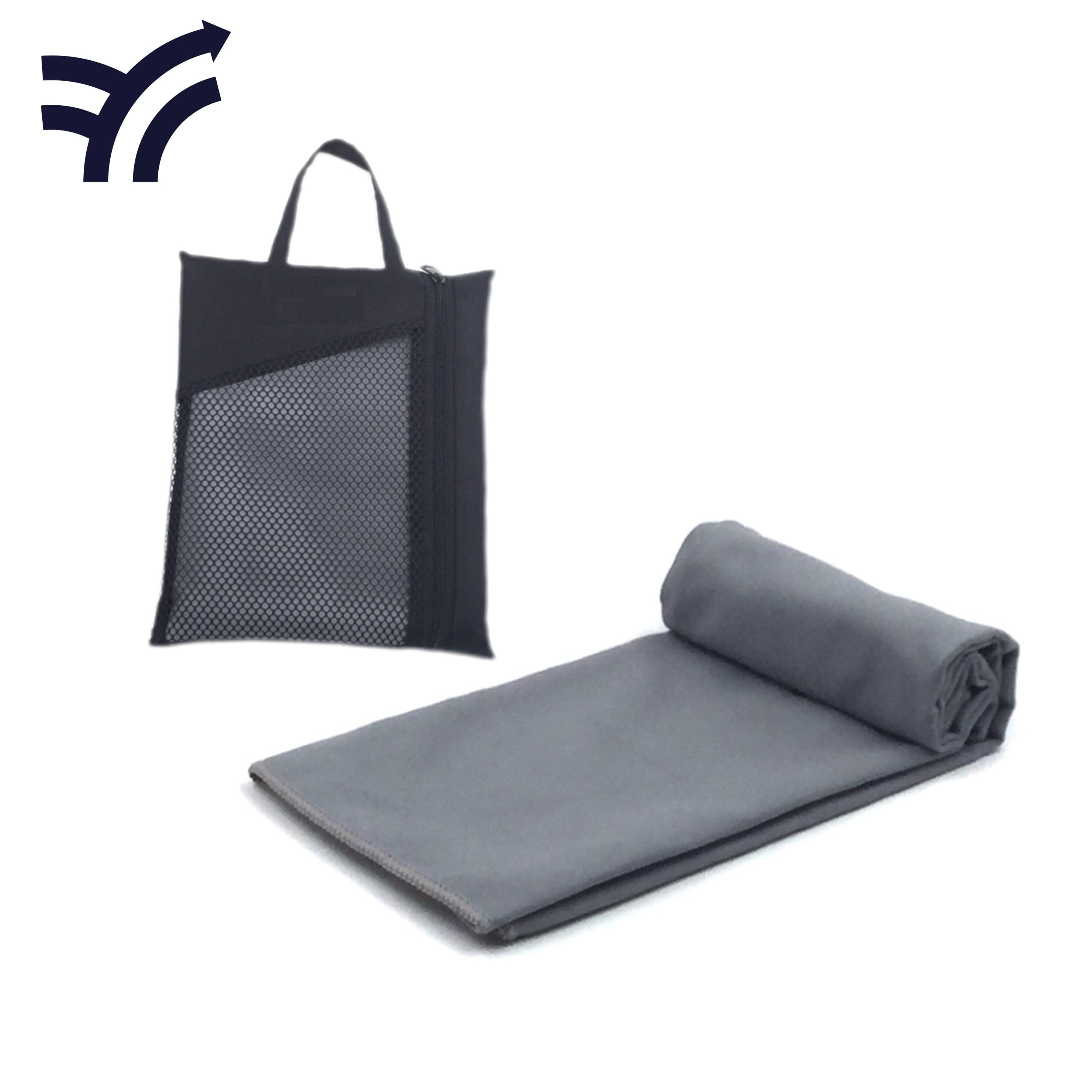
The performance of sport towels is fundamentally determined by the material used in their construction. Microfiber fabrics — typically a blend of polyester and polyamide — are the dominant choice in high-performance applications due to their exceptional absorbency, fast-drying properties, and lightweight characteristics. A well-engineered microfiber sport towels product can absorb several times its own weight in water, which is a critical performance benchmark for gym-goers, athletes, and spa clients alike.
When evaluating material composition for B2B purposes, focus on the split ratio of the microfiber — typically expressed as the ratio of polyester to polyamide. A split ratio closer to 80/20 polyester-to-polyamide generally offers a strong balance of softness, absorbency, and durability. Higher polyamide content tends to improve softness but can increase cost. Understanding this balance allows B2B buyers to align product specifications with client budget expectations without compromising core performance.
Absorbency is not just a feature to advertise — it is a measurable standard. When sourcing sport towels at volume, request that suppliers provide standardized absorbency test data. This ensures you are comparing products on objective grounds rather than relying solely on supplier claims. Third-party laboratory testing is increasingly common among reputable suppliers and adds credibility to the product in your B2B sales pitch.
GSM — grams per square meter — is the industry standard for measuring the weight and density of sport towels. For high-performance applications, sport towels typically range from 200 GSM to 400 GSM. Lower GSM products are lighter, dry faster, and are more portable — ideal for fitness bags and travel use. Higher GSM products feel more substantial, offer more surface coverage, and deliver a more premium tactile experience suitable for spa or gym locker room environments.
Size is another specification that significantly impacts end-user satisfaction. Standard sport towels in B2B supply chains come in sizes ranging from small gym hand towels to full-body fitness towels. For B2B buyers, it is important to match towel size to the intended use case — a compact 40x80 cm towel suits gym bag portability, while a 70x140 cm towel better serves spa or post-workout shower scenarios. Offering multiple sizes within your product range can also expand your addressable market.
Practical design features such as hanging loops, zippered pockets, and snap closures are increasingly popular in high-performance sport towels. These value-added elements differentiate your offering in competitive B2B markets and can justify a premium price point. When briefing suppliers, specify which design features are required and request samples to verify that functional elements perform reliably after repeated washing cycles.
Effective sourcing of sport towels begins before any supplier conversation takes place. The first step is to clearly define the end-user segment you are serving. Gym chains, professional sports clubs, corporate wellness programs, hotel fitness centers, and retail fitness brands each have distinct performance expectations, aesthetic preferences, and budget parameters. A professional sports club may prioritize institutional durability and easy laundering, while a premium gym brand may focus on tactile softness and custom branding.
Create a detailed product brief for each customer segment you plan to serve. This brief should include minimum absorbency requirements, acceptable GSM range, preferred size dimensions, color palette, branding requirements (such as embroidery or sublimation printing), and target price per unit. A well-constructed product brief allows you to approach suppliers with clear specifications, which accelerates the sampling process and reduces miscommunication during production.
Understanding end-user wash frequency and laundering conditions is also critical when sourcing sport towels for institutional buyers. Gym towels in high-turnover commercial facilities may be laundered hundreds of times per year. Specifying minimum colorfastness ratings and tensile strength standards ensures the product holds up under commercial washing, protecting both your reputation and your client's investment.
B2B sourcing of sport towels is heavily influenced by volume dynamics. Most manufacturers operate with minimum order quantities (MOQs) that range from a few hundred units for stock products to several thousand units for custom-designed or custom-branded products. Understanding your realistic volume forecasts before approaching suppliers prevents misalignment and helps you identify which supplier tier is appropriate for your business scale.
For early-stage B2B buyers or those entering a new product category, it is often strategic to begin with a supplier offering lower MOQs while gradually scaling volume as client demand confirms market fit. This approach reduces financial exposure while allowing you to refine product specifications based on real end-user feedback. As volume grows, renegotiating MOQ thresholds and pricing can significantly improve your margin structure.
Forecasting should also account for seasonal demand patterns. Sport towels often see volume spikes aligned with gym membership surges in January, summer fitness seasons, and corporate gifting periods. Building these patterns into your procurement calendar allows you to place orders ahead of demand peaks, reducing the risk of stockouts that damage client relationships.
Not all suppliers capable of producing sport towels are equally equipped to deliver high-performance products consistently at B2B scale. A rigorous supplier assessment process should examine production capabilities, quality management systems, sample quality, lead times, and communication responsiveness. Each of these factors contributes to the overall reliability of your supply chain.
Production capability is a fundamental starting point. Evaluate whether the supplier manufactures in-house or relies on subcontractors — in-house production generally offers better quality control and more flexible customization. Ask for factory audit reports, certifications such as ISO 9001 or OEKO-TEX Standard 100, and references from existing B2B clients. OEKO-TEX certification is particularly relevant for sport towels as it confirms the fabric is free from harmful substances, which is a growing concern among health-conscious institutional buyers.
Sample quality is your most direct evidence of a supplier's capability. Always request pre-production samples before committing to a bulk order. Test the samples against your defined product brief — measure absorbency, check stitching integrity, evaluate colorfastness under washing, and assess tactile quality. High-performance sport towels should demonstrate consistent quality across multiple samples from the same batch, not just impressive one-off showcase pieces.
In B2B markets, the ability to brand sport towels with logos, custom colors, and proprietary designs is often a key differentiator that drives client loyalty and premium pricing. Evaluate each potential supplier's customization capabilities in detail. Common branding methods include embroidery, woven labels, heat transfer printing, and all-over sublimation printing — each offering distinct aesthetic results and durability profiles.
Embroidery is widely regarded as the most durable branding method for sport towels, as the logo is stitched directly into the fabric and withstands repeated washing without fading or peeling. Sublimation printing enables full-color photographic imagery but is only compatible with light-colored polyester-dominant fabrics. Understanding these constraints allows you to guide your B2B clients toward branding methods that will maintain visual integrity over the product's service life.
When evaluating customization capabilities, ask for physical samples of each branding method the supplier offers. Pay particular attention to print registration accuracy, thread quality in embroidery, and color consistency across batch runs. Inconsistent branding quality at volume is one of the most common complaints B2B buyers face when sourcing sport towels from suppliers without robust quality control processes.
Quality control for sport towels in B2B sourcing must be systematic rather than reactive. Establishing quality inspection protocols at multiple stages — pre-production, in-line during production, and pre-shipment — dramatically reduces the risk of receiving non-conforming goods that damage your client relationships. Pre-shipment inspections conducted by independent third-party inspection agencies are a best practice for B2B buyers sourcing at significant volume.
Define acceptable quality limits (AQL) in your purchase contracts. AQL standards specify the maximum percentage of defective units acceptable in a shipment, and align your expectations with the supplier's quality management system. For premium sport towels sold to high-end gym or hospitality clients, a stricter AQL standard is warranted compared to entry-level fitness products. Documenting these standards in writing protects both parties and creates a shared performance benchmark.
Post-delivery quality monitoring is equally important. Establish a feedback loop with your B2B clients to track any quality issues that emerge in end-use conditions. This real-world data is invaluable for refining your product specifications in subsequent orders and strengthening supplier accountability. A supplier willing to review and act on post-delivery feedback is demonstrating the partnership mindset most valuable in long-term B2B sourcing relationships.
Resilience in your sport towels supply chain means having contingency plans, diversified sourcing options, and contractual safeguards that protect your business continuity. Relying on a single supplier for your entire product range creates vulnerability to disruption from production delays, raw material shortages, or geopolitical factors. Many experienced B2B buyers maintain relationships with at least two qualified suppliers to ensure supply continuity.
Logistics planning is a critical but often underestimated component of B2B sourcing. Lead times for custom sport towels typically range from four to twelve weeks depending on order complexity, customization requirements, and shipping method. Build these lead times into your procurement calendar and communicate realistic delivery windows to your B2B clients. Air freight can accelerate delivery in urgent situations but significantly increases landed cost, so it should be reserved for time-critical replenishment rather than routine orders.
Formalizing supplier agreements with clear terms around pricing, lead times, quality standards, and intellectual property rights is essential for any serious B2B sourcing program. A well-structured supplier agreement reduces ambiguity, establishes clear remedies for non-performance, and signals to your supplier that you are a serious long-term partner — which often translates into priority production scheduling and more favorable pricing over time.
Microfiber — specifically a polyester-polyamide blend — is widely regarded as the optimal material for high-performance sport towels in B2B applications. It offers superior absorbency, fast-drying properties, durability under commercial laundering, and lightweight portability. The specific split ratio and GSM should be selected based on the end-user segment and intended performance requirements.
Effective supplier comparison requires a multi-dimensional assessment that includes factory capabilities, quality certifications, sample quality testing, customization options, MOQ flexibility, lead times, and communication responsiveness. Requesting standardized samples and testing them against your defined product brief is the most reliable method for making objective comparisons between competing sport towel suppliers.
OEKO-TEX Standard 100 is one of the most recognized certifications for sport towels, confirming that the fabric is free from harmful chemical substances. ISO 9001 certification indicates a supplier's quality management system meets international standards. For buyers serving health-conscious or institutional clients, these certifications add significant credibility to your product offering and reduce the risk of compliance issues in regulated markets.
Protecting your branding when sourcing custom sport towels requires a combination of contractual safeguards and practical precautions. Include intellectual property protection clauses in your supplier agreement, register your trademarks in the supplier's country if you plan on significant volume, and limit the distribution of your brand files until a formal agreement is in place. Working with suppliers who have a verifiable track record of respecting client IP rights significantly reduces risk.

 EN
EN


